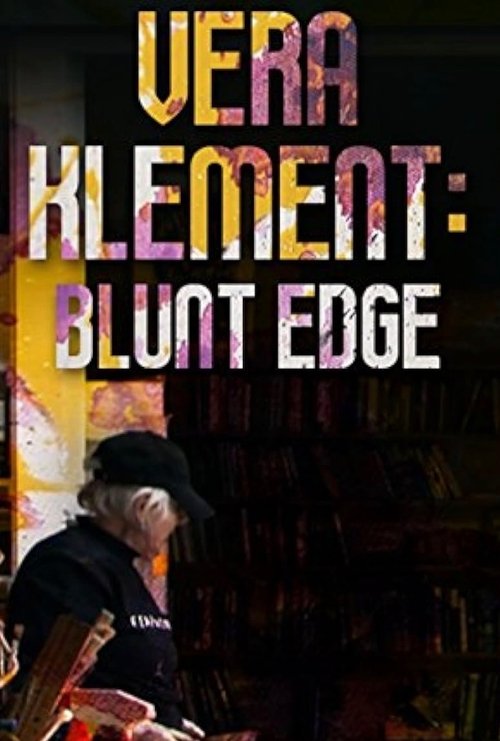
Vera Klement: Blunt Edge

Vera Klement: Blunt Edge

2010 · 11 min · Documentary

As her 80th birthday is approaching, Vera Klement, an oil painter in Chicago, adamantly starts yet another new figure painting: a portrait of an artist under oppression, an homage to Russian composer, Dmitri Shostakovitch.

Directed by Wonjung Bae

Your Rating

Cast

Make it a double feature

1h 11m together
Vera Klement: Blunt Edge
Bureau 39: Kim's Cash Machine

Both from Wonjung Bae.

More from Wonjung BaeSee all →

More Like This

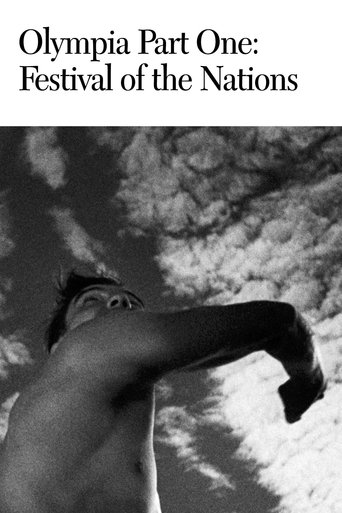
Olympia Part One: Festival of the NationsOlympia Part One: Festival of the Nations · 1938
Olympia Part One: Festival of the Nations
★ 6.91938
MovieDocumentary
Starting with a long and lyrical overture, evoking the origins of the Olympic Games in ancient Greece, Riefenstahl covers twenty-one athletic events in the first half of this two-part love letter to the human body and spirit, culminating with the marathon, where Jesse Owens became the first track and field athlete to win four gold medals in a single Olympics.
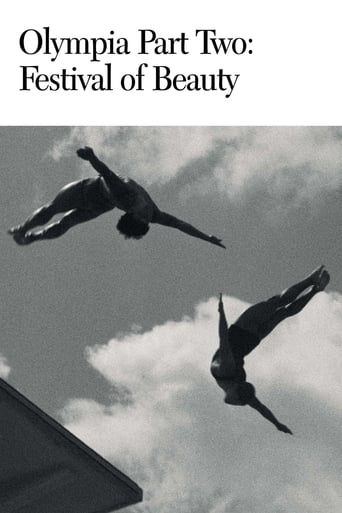
Olympia Part Two: Festival of BeautyOlympia Part Two: Festival of Beauty · 1938
Olympia Part Two: Festival of Beauty
★ 6.71938
MovieDocumentary
Part two of Leni Riefenstahl's monumental examination of the 1938 Olympic Games, the cameras leave the main stadium and venture into the many halls and fields deployed for such sports as fencing, polo, cycling, and the modern pentathlon, which was won by American Glenn Morris.
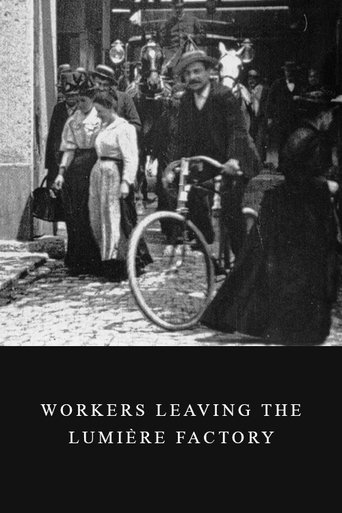
Workers Leaving the Lumière FactoryWorkers Leaving the Lumière Factory · 1895
Workers Leaving the Lumière Factory
★ 6.71895
MovieHistoryDocumentary
Working men and women leave through the main gate of the Lumière factory in Lyon, France. Filmed on 22 March 1895, it is often referred to as the first real motion picture ever made, although Louis Le Prince's 1888 Roundhay Garden Scene pre-dated it by seven years. Three separate versions of this film exist, which differ from one another in numerous ways. The first version features a carriage drawn by one horse, while in the second version the carriage is drawn by two horses, and there is no carriage at all in the third version. The clothing style is also different between the three versions, demonstrating the different seasons in which each was filmed. This film was made in the 35 mm format with an aspect ratio of 1.33:1, and at a speed of 16 frames per second. At that rate, the 17 meters of film length provided a duration of 46 seconds, holding a total of 800 frames.
Night and FogNight and Fog · 1956
Night and Fog
★ 8.31956
MovieDocumentaryHistory
Filmmaker Alain Resnais documents the atrocities behind the walls of Hitler's concentration camps.

Rate this film

Your ratings make Midnight smarter