Happy End
1973 · 17 min · ★ 6.8 · Documentary
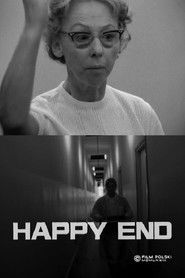
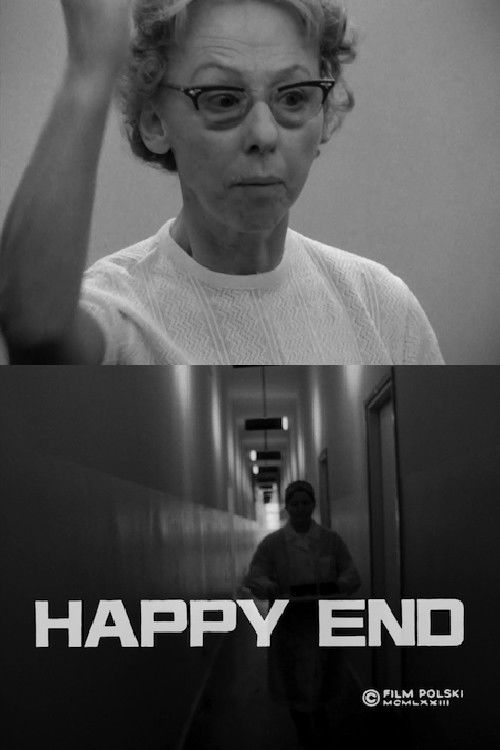
A purge in the style of those of March 1968 is to take place at a party meeting. Instead, it turns into a psychodrama.
Directed by Marcel Łoziński
Your Rating
Make it a double feature
32m together
Both from Marcel Łoziński.
More from Marcel ŁozińskiSee all →
 The Katyn Forest · 1990
The Katyn Forest
★ 10.01990
MovieDocumentaryHistory
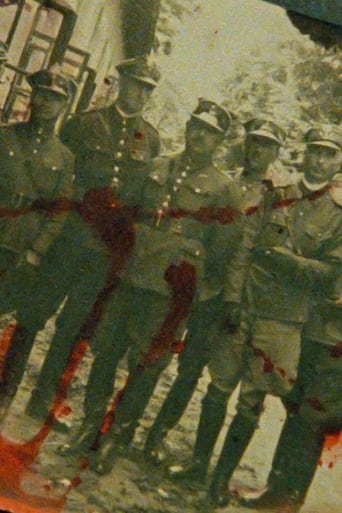
Marcel Łoziński tells the story of the crime committed by the NKVD in Katyn in 1940. He interweaves accounts of witnesses and survivors with images from the pilgrimage of members of Katyn Families to the place of murder, death and nameless burial of their loved ones.
 If It Happens · 2007
If It Happens
★ 9.02007
MovieDocumentary
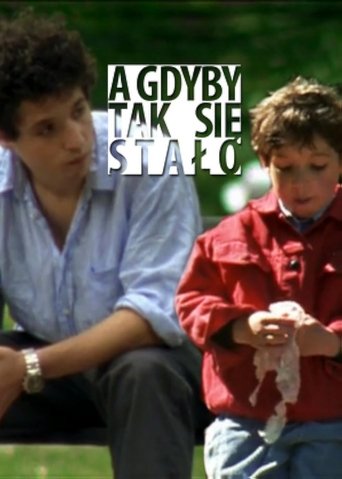
Tomek, Marcel Lozinski's son, is eighteen now. Exactly twelve years ago, when he was six, his father filmed him while he was visiting a park in Warsaw. Tomek used to stop next to some old people sitting on the benches, and, with childish frankness, would ask them questions about joy, loneliness, fear of death, dreams, love and lack of love. Now, after twelve years, on his birthday, Tomek comes back to the garden of his childhood. A magical encounter will commence.
 So it Doesn’t Hurt · 1998
So it Doesn’t Hurt
★ 7.41998
MovieDocumentary
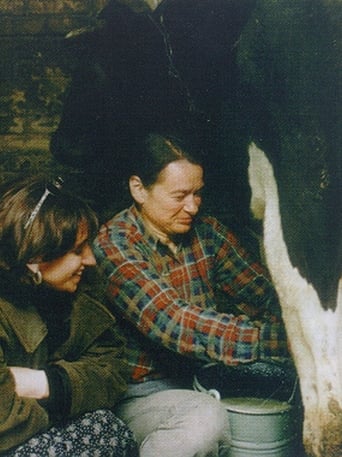
Polish filmmaker Marcel Łoziński revisits the farmer/intellectual Urszula Flis, subjects of his 1978 film 'A visit'. Łoziński observes the changes that have occurred over the intervening 23 years and again persuades this sensitive, secluded woman to talk through her thoughts, fears and feelings. Through this, the morality of the documentary portrait itself is called into question.
 My Place · 1986
My Place
★ 7.31986
MovieDocumentary
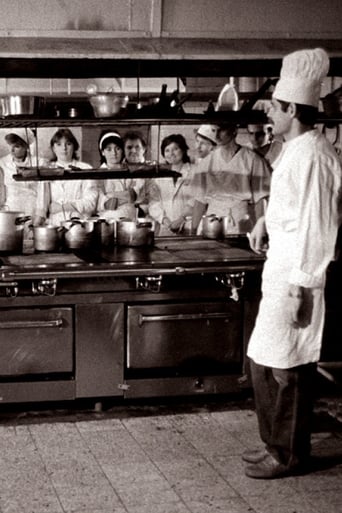
At the famous Grand Hotel in Sopot, each worker - whether a porter, a maid, a cook or a stoker - feels an important part of their workplace. Perhaps even the most important.
 Witnesses · 1987
Witnesses
★ 7.31987
MovieDocumentary
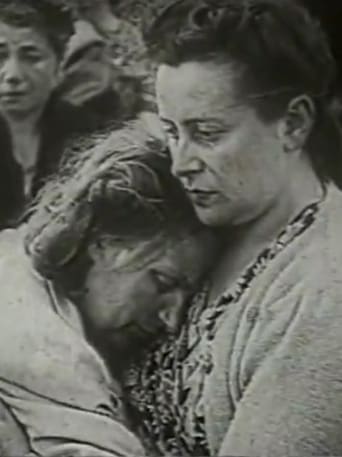
On July 4th, 1946, the crowd in Kielce, Poland, slaughtered forty-two Jews and wounded many others. Forty years later, in 1987, Marcel Łoziński visited those places and met some witnesses of the carnage.
 Anything Can Happen · 1995
Anything Can Happen
★ 7.21995
MovieDocumentary
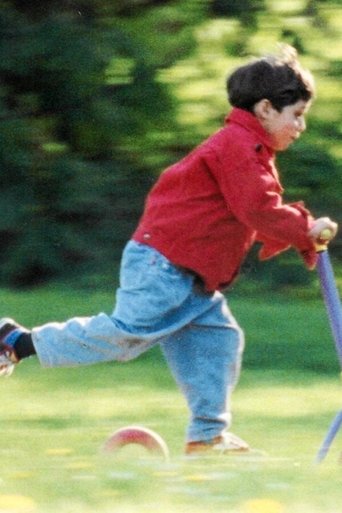
A story of life and death, featuring Lozinski's six-year-old son Tomaszek and elderly people spending time on the benches of a Warsaw park. Riding his scooter, Tomaszek asks the elderly very adult, though basic, questions, which they are happy to answer. The boy's ideas of future and life are confronted with those of men at the end of their lives.
 Autoportret · 1993
Autoportret
★ 7.01993
MovieDocumentary
 How to Live · 1981
How to Live
★ 7.01981
MovieDocumentary
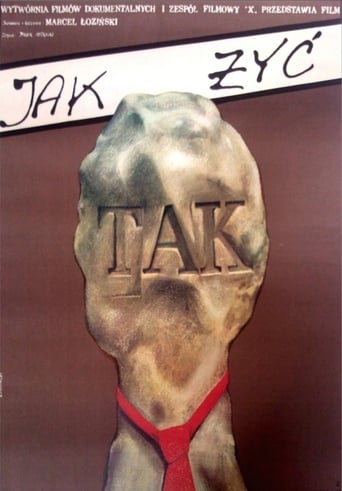
A holiday training camp for young married couples who belong to the Polish Socialist Youth Union (ZSMP) begins at the campsite. From the commander's welcome speech, they learn that a film crew will record camp life and training classes under the slogan "Model Family".
 Workshop Exercises · 1986
Workshop Exercises
★ 7.01986
MovieDocumentary
A street poll about contemporary youth. The answers are engineered to show the manipulation of propaganda and television.
 Microphone's Test · 1980
Microphone's Test
★ 7.01980
MovieDocumentary
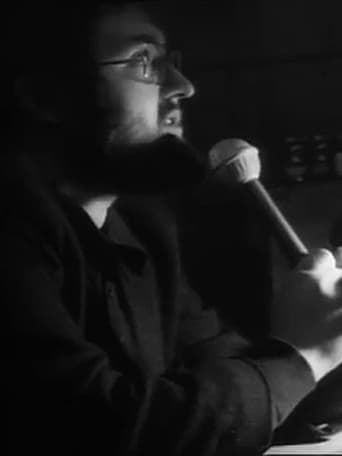
A Warsaw Pollena-Uroda cosmetics factory radio broadcaster is working on a programme investigating the workers' sense of factory ownership. The workers' answers come as a surprise, especially to the management. About the ruling and the ruled in communist Poland.
 Father and Son · 2013
Father and Son
★ 7.02013
MovieDocumentary
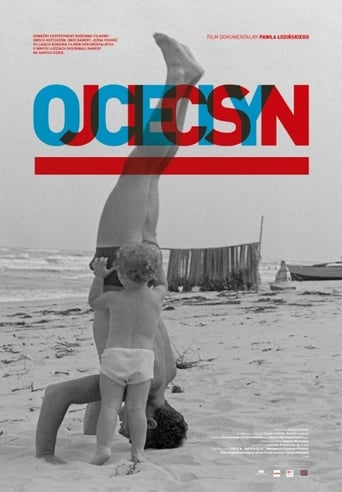
Two acclaimed documentary film-makers - father and son - drive from Poland to Paris to see the place where the ashes of the father's mother are buried. What accompanies them on the way are resentments, quarrels and sincere confessions.
 Broken Silence · 2002
Broken Silence
★ 7.02002
SeriesDocumentary
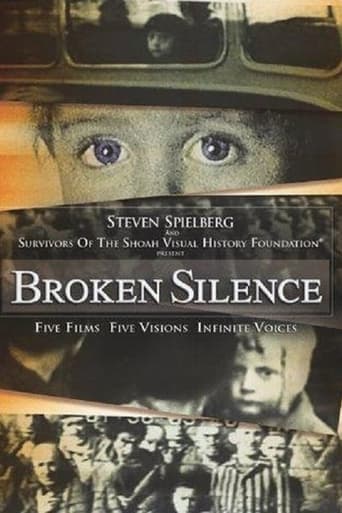
“Broken Silence” is composed of five hourlong shorts from a quintet of international directors: Hungary’s Janos Szasz (“Eyes of the Holocaust”), Argentina’s Luis Puenzo (“Some Who Lived”), Russia’s Pavel Chukhraj (“Children From the Abyss”), the Czech Republic’s Vojtech Jasny (“Hell on Earth”) and Poland’s Andrzej Wajda (“I Remember”). The helmers, some descendants of Holocaust survivors, focus on the atrocities within their particular parts of the world, with testimonials, pictures and an overall tone as they pertain to each region’s culture and history.
 Matriculation · 1979
Matriculation
★ 6.91979
MovieDocumentary
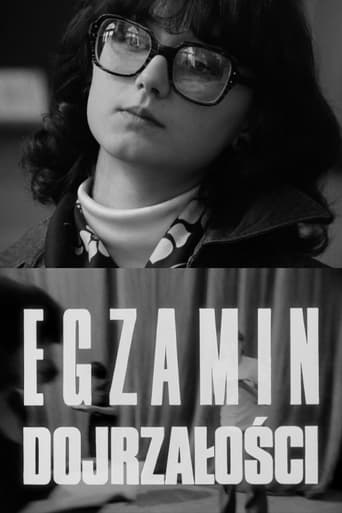
The final oral exam in history and social studies at one of Warsaw's high schools. The film illustrates the theatre of social life in Soviet Poland where one says different things on the stage and another behind the scenes.
 The Visit · 1974
The Visit
★ 6.81974
MovieDocumentary
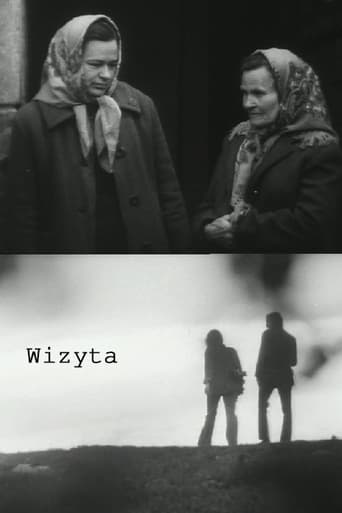
A "Polityka" weekly journalist Marta Wesolowska and photo-reporter Erazm Ciolek visit Urszula Flis, who runs a country farm. A young woman living on her own, Flis is an untypical villager in that she is interested in culture, corresponds with writers, etc.
 89 mm from Europe · 1993
89 mm from Europe
★ 6.71993
MovieDocumentary
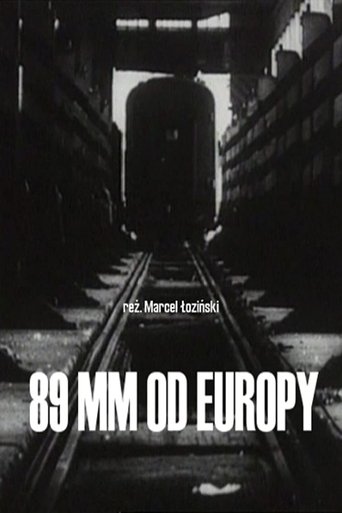
This movie shows the simplest difference between Europe and former Soviet Union. It is the eponymous 89 mm - Russian train tracks are 89 mm wider than tracks in European countries. And because of this fact, it is not easy to go through the Soviet border by train in Brest as the passengers in the film do.
 I Remember · 2002
I Remember
★ 6.32002
MovieDocumentary
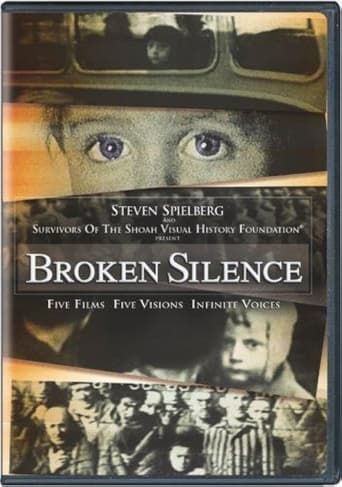
Weaves together the personal recollections of four Polish survivors of the Holocaust with original footage from the present day. The film focuses specifically on the relations between Jews and Poles in Nazi occupied Poland.
More Like This
Couldn't load this row right now.