Silverfish

Silverfish

1981 · 3 min · ★ 10.0

Dana Plays leverages inversion techniques and optically printed compositing to recast footage of children playing into an ominous siren song of impending doom. A characteristically prominent soundtrack of reversed chatter and focused tableaus of metal keys and chains creates an incantatory air and pushes SILVERFISH into psychedelic territory. - Jackson Scarlett

Directed by Dana Plays

Your Rating

More from Dana PlaysSee all →
KongostraatKongostraat · 1989
Kongostraat
10.01989
Movie
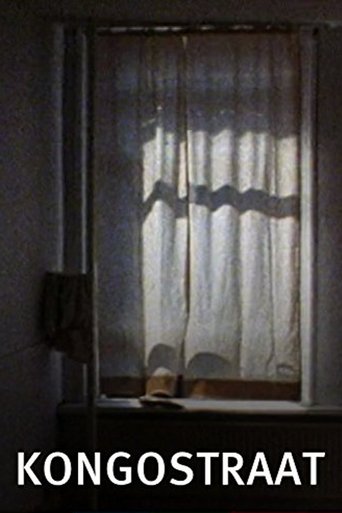
A diaristic view of parts of Paris, Belgium and Amsterdam. The Turkish family on their stoop, the woman on the train with her two pit bulls and an admirer, interiors, exteriors, the views from the train and the canals of the flat lands. Laid over are sound recorded at the same locations, providing correlating fragments of conversations, that [Dana] Plays says are on 'sidewalk life in Belgium and narratives of a beating heart, of a fish whose eggs are poisonous to both the rich and poor.' Here the recording properties of the camera and the microphone are the thing; people alternatively appear to react to and ignore the camera. There are objects, events and locations. It is left to the viewer’s intuition to secure the story - Stuart Cutlitz, Film Tape World
Love Stories My Grandmother TellsLove Stories My Grandmother Tells · 1994
Love Stories My Grandmother Tells
8.01994
MovieDocumentary
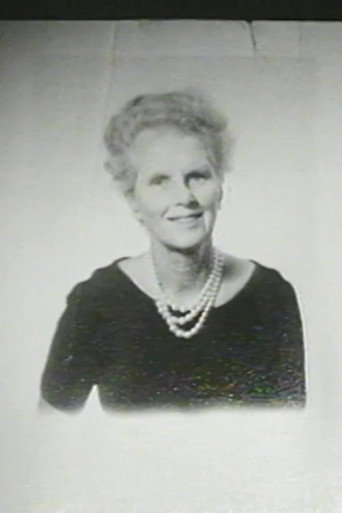
A portrait of Dana Plays' 90 year old paternal grandmother, Peggy Regler, reminiscing about her love affairs and significant relationships. Regler tells about her failed first marriage, the agreement she had to stay until the children were grown (but to see other lovers) which resulted in the true love she found with her second husband and renowned writer Gustav Regler, who later died a tragic death in India. The love affairs are historically rooted in the political and technological developments 20th century, and are narratively based in a complex sound/image structure. Interludes (silent optically printed film passages narrated with inter-titles excerpted from her diaries, and early childhood memories) formalistically refer to early cinema. The footage in these passages is re-contextualized and interwoven metaphorically throughout the text.
Across the BorderAcross the Border · 1982
Across the Border
8.01982
Movie
ACROSS THE BORDER is a collage of found footage and documentary images, radio Spanish/English tracks and commentary by Philippe Bourgois, a Stanford Anthropologist trapped in an offensive by the United States-backed Salvadoran Military forces. The film’s position against U.S. intervention in the third world is stated in graphic visuals that employ techniques of optical printing and animation.
Sibling ArrivalSibling Arrival · 1983
Sibling Arrival
1983
MovieDocumentary
A coarse but intimate documentary of birth. The eight year old sibling is heard but not seen as she watches and reacts to her brother being born.
Arrow CreekArrow Creek · 1978
Arrow Creek
1978
Movie
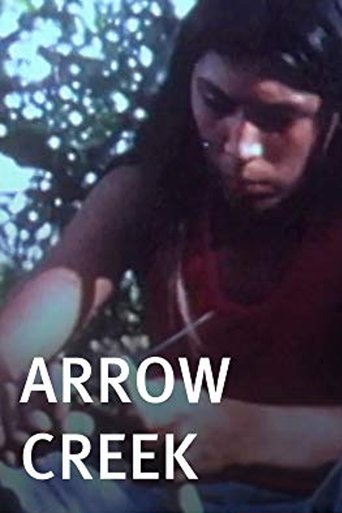
Filmed on the Crow Indian reservation at Crow Agency, Montana, ARROW CREEK poetically interweaves elements that creates metaphors on cultural themes through sound/image juxtaposition (such as bull riding and the sound of a mass).
Exquisit CorpsesExquisit Corpses · 2010
Exquisit Corpses
2010
Movie
This found-footage digital optical printer piece alludes to the decay of cinema and the advancing of digital film through a series of devolving images from the history of photography and early motion picture technology.
ShardsShards · 1988
Shards
1988
Movie
Lightly processed field recordings fuse disparate strips of saturated 16mm film into an observational diary. The silhouette of a lizard crawling, a sugarcane harvest, American Indian gatherings, a fatherly barbecue and other outdoor scenes draw unexpected corollaries, limning film's possibilities as a momentary medium not bound to a monolithic narrative.
Grain GraphicsGrain Graphics · 1978
Grain Graphics
1978
Movie
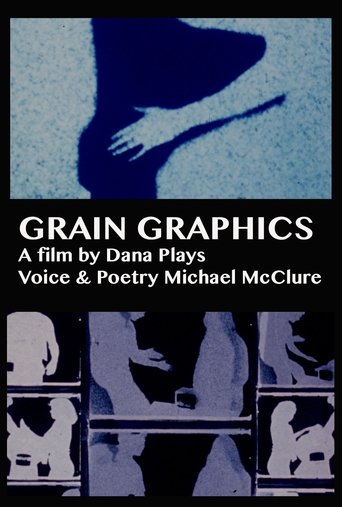
In Filmmakers' Monthly, Edgar Daniels described GRAIN GRAPHICS as a structural film "which begins with two frames of a film strip, one above the other, occupying the middle of the screen, flanked by two vertical filmstrips with smaller frames. In grainy negative, a small number of figures interact in various ways in each of the frames. Gradually, as if the camera were drawing away, this pattern grows smaller and its units increase correspondingly in number, until at the end there appear to be hundreds of rectangles, all with figures busy in motion.” Preserved by the Academy Film Archive in 2012.
AgitpropAgitprop · 2013
Agitprop
2013
Movie
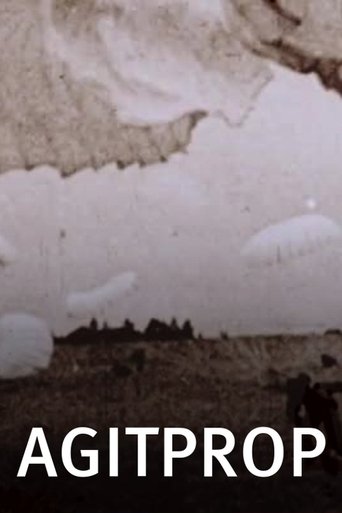
Visually arresting, deconstructionist piece examining pre-WWII newsreel war footage propaganda. The visual treatment of this piece, involving optical printing, abstract composting, and time manipulation, mirrors the historical permutations, and re-setting of meaning, this propaganda film segment endured through censorship, duplication, and film extraction.

More Like This

Couldn't load this row right now.

Rate this film

Your ratings make Midnight smarter