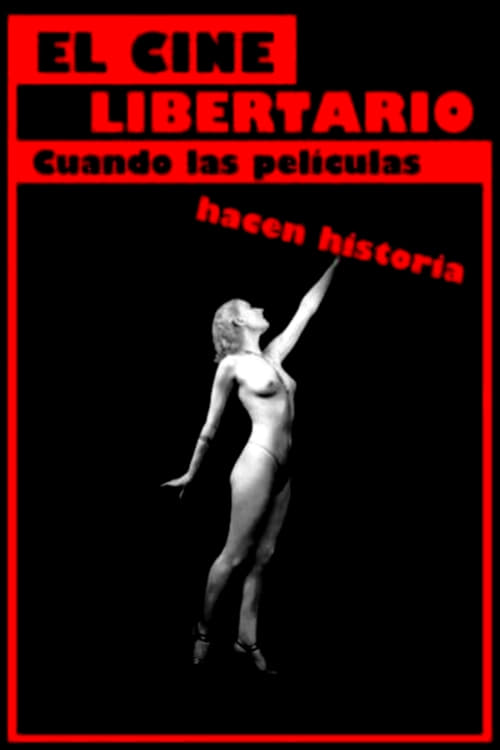
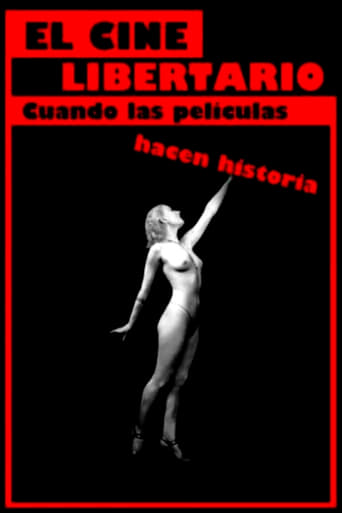
El cine libertario: cuando las películas hacen historia

El cine libertario: cuando las películas hacen historia

2010 · 60 min · ★ 7.3 · Documentary, History

Upon the outbreak of the Spanish Civil War in July 1936, the anarchist union CNT socialized the film industry in Spain, so in Madrid and Barcelona film workers took over the production assets and, between 1936 and 1938, numerous films on a wide variety of topics were released, composing a varied mosaic that gives rise to one of the most unusual and original moments of Spanish cinematography.

Directed by José María Almela · Written by José María Almela

Your Rating

Cast

Make it a double feature

2h 59m together
El cine libertario: cuando las películas hacen historia
The Untouchables

A close match in mood and era.
More from José María AlmelaSee all →

More Like This

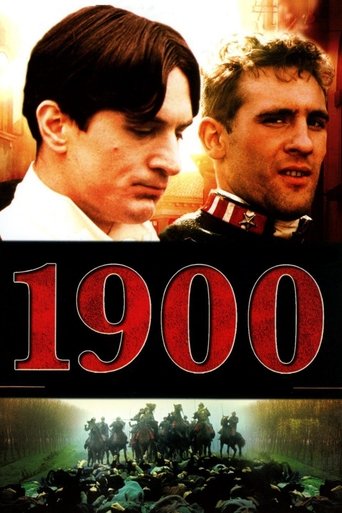
19001900 · 1976
1900
★ 7.81976
MovieDramaHistory
The epic tale of a class struggle in twentieth century Italy, as seen through the eyes of two childhood friends on opposing sides.
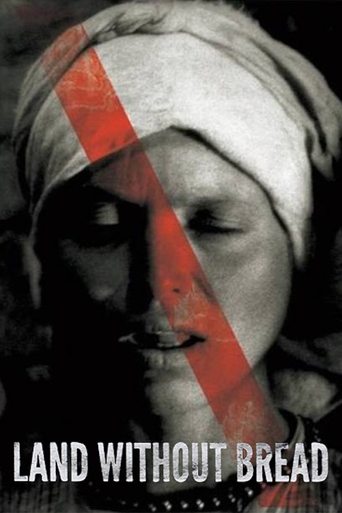
Land Without BreadLand Without Bread · 1933
Land Without Bread
★ 7.11933
MovieDocumentary
An exploration —manipulated and staged— of life in Las Hurdes, in the province of Cáceres, in Extremadura, Spain, as it was in 1932. Insalubrity, misery and lack of opportunities provoke the emigration of young people and the solitude of those who remain in the desolation of one of the poorest and least developed Spanish regions at that time.
The UntouchablesThe Untouchables · 1987
The Untouchables
★ 7.81987
MovieCrimeHistory
Elliot Ness, an ambitious prohibition agent, is determined to take down Al Capone. In order to achieve this goal, he forms a group given the nickname “The Untouchables”.
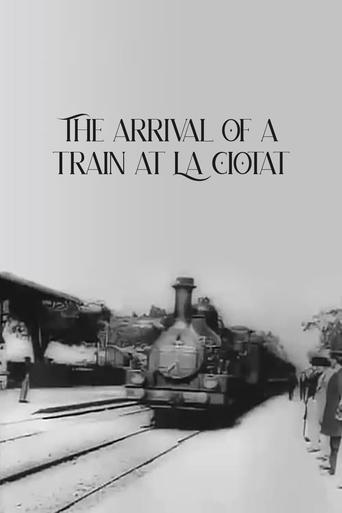
The Arrival of a Train at La CiotatThe Arrival of a Train at La Ciotat · 1896
The Arrival of a Train at La Ciotat
★ 7.11896
MovieHistoryDocumentary
A group of people are standing along the platform of a railway station in La Ciotat, waiting for a train. One is seen coming, at some distance, and eventually stops at the platform. Doors of the railway-cars open and attendants help passengers off and on. Popular legend has it that, when this film was shown, the first-night audience fled the café in terror, fearing being run over by the "approaching" train. This legend has since been identified as promotional embellishment, though there is evidence to suggest that people were astounded at the capabilities of the Lumières' cinématographe.

Rate this film

Your ratings make Midnight smarter