The Dossier

The Dossier

A Tibetan woman writer's activities and her secret dossier.

2014 · 128 min · ★ 5.0 · Documentary

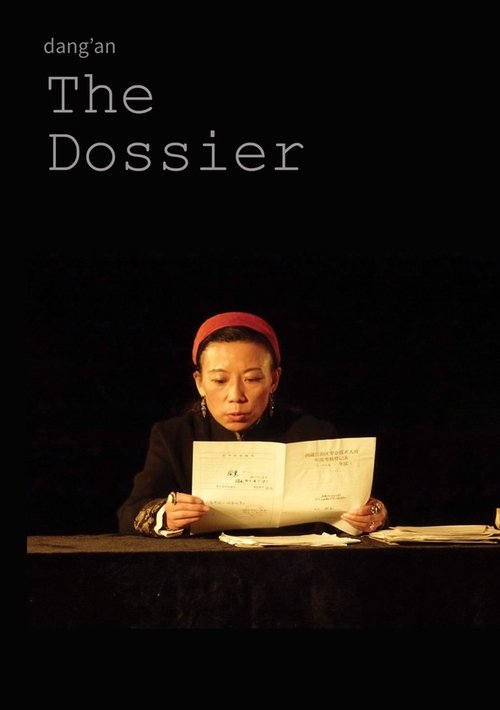
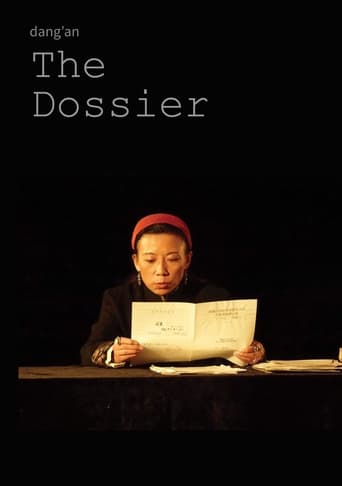
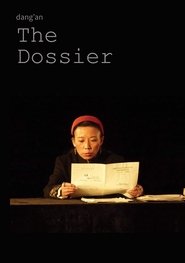
Tibetan writer Tsering Woeser's efforts to document and present the reality of Tibet were considered a "political problem" by the Chinese Party-state and she was fired from her job. Since then, she has persevered as an independent writer and has continued to speak out for the sufferings of Tibetan people. Zhu Rikun, the director, came into possession of Tsering's official dossier which then became the main thread of this film. The first half of the movie is centred around her reading of the dossier; be patient as the theme grows and her interviews document the changed direction her career took including footage from Tibet.

Directed by Rikun Zhu · Written by Rikun Zhu

Your Rating

Cast

Make it a double feature

5h 14m together
Both from Rikun Zhu.

More from Rikun ZhuSee all →
Fengming: A Chinese MemoirFengming: A Chinese Memoir · 2007
Fengming: A Chinese Memoir
7.82007
MovieDocumentary
The film consists almost entirely of an interview with the elderly He Fengming, recounting her experiences in post-1949 China.
KaramayKaramay · 2010
Karamay
7.52010
MovieDocumentary
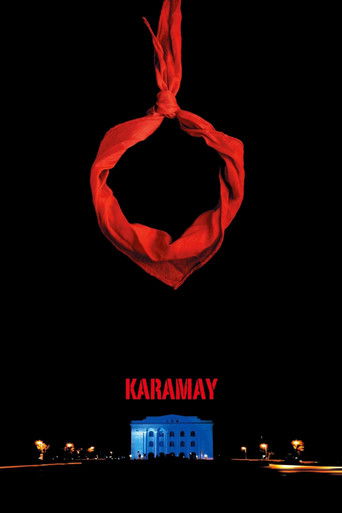
In 1994, the oil-rich city of Karamay in Northwest China was the site of a horrible fire that killed nearly 300 schoolchildren. The students were performing for state officials and were told to stand by while the officials exited first. After the fire, the story was heavily censored in the Chinese state media. To this day, the families of Karamay have not been allowed to publicly mourn their children.
One Says NoOne Says No · 2020
One Says No
2020
MovieDocumentary
Chinese cities expand and gradually absorb the countryside. The village of Yangji was yet another victim to the expansion, which benefits local developers linked to the government. Rural residents are forced to vacate their simple dwellings and make room for new houses and entrepreneurs from the cities. The vast majority of local resistance will subside despite meager compensation and low prospects for decent housing, but Azhong is one of a handful of people who choose to fight against the corrupt system.
No Desire to HideNo Desire to Hide · 2021
No Desire to Hide
2021
MovieDocumentary
The film shows the ordinary lives of young people in China, with all their romantic problems, unfulfilled dreams and existential crises that are interwoven into everyday dialogues and conversations with the director. The two central protagonists try to function in an open relationship, which suits only one of the partners, while the other suffers and longs for a family life. The possibility of emigration to America is a hope, but it is gradually receding due to the worsening political situation. The camera captures even the most intimate moments and puts the viewer in the position of a voyeur observing the exposed bodies and souls.
AnniAnni · 2018
Anni
2018
MovieDocumentary
Every child has the right to education in China. But ten-year-old Anni is not allowed to go to school. Why? Her father is a dissident. Anni and her father moved to be closer to her older sister. The little girl was not in her new school long enough to get settled – the secret police took her away after three days. Her father was, as so many times before, being interrogated. The school preferred to not have anything to do with such a family, so they have refused to continue educating her. Independent Chinese director Zhu Rikun, camera in hand, follows the movement of activists who have joined forces through the Weibo social network to support Anni. Will peaceful protests in front of the school and a petition be enough to pressure the school to take her back?
The QuestioningThe Questioning · 2013
The Questioning
2013
MovieDocumentary
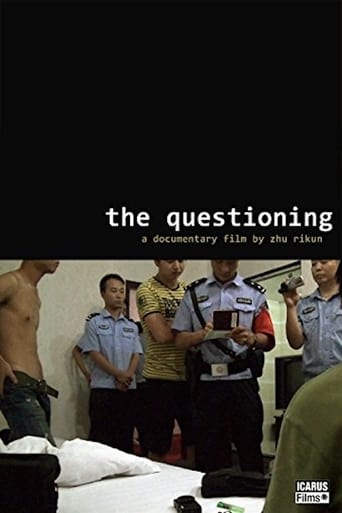
On July 24, 2012, I drove to a city to cheer three local independent candidates and human right activists. While doing these things, we found ourselves tailed. At 12:00 at night, some policemen came to our room and started the so-called room inspection.
WelcomeWelcome · 2016
Welcome
2016
Movie
A black screen. Four voices are heard. Two men are telling and repeating to two others that they are “welcome to the region”. Gradually, the situation becomes clearer: the filmmaker, Zhu Rikun, is on a shoot in Sichuan. His interest is in the lung diseases that plague the region’s workers, a health problem already present in his film Dust and which the Chinese State is trying to hush up. So here he is, invited to a brief interview with the local authorities, which is audio-recorded and played back in full in the film. A raw document that bares the methods of power: the insistence of the censors, their successive changes in strategy ranging from sugar-coated threats to the express demand that the images be destroyed, which only fuels the desire to bear witness even further.

More Like This

Couldn't load this row right now.
Rate this film

Your ratings make Midnight smarter