Moravian Hellas

Moravian Hellas

1964 · 33 min · ★ 4.8 · Documentary

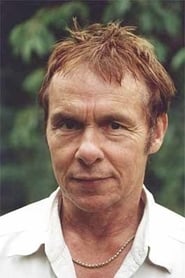
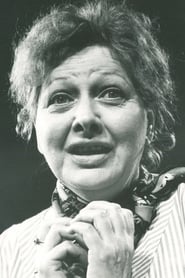
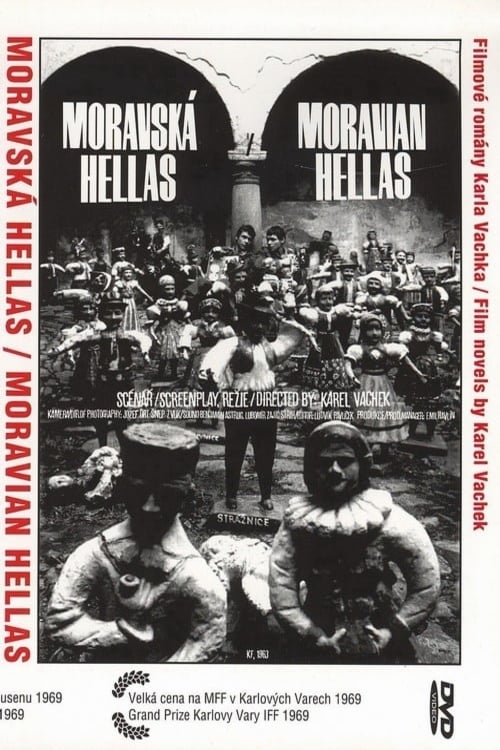
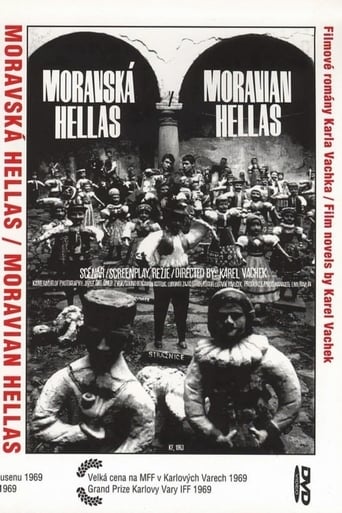
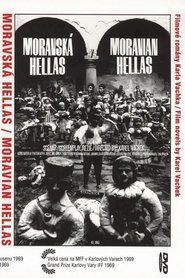
Karel Vachek’s graduate film offers us a documentary essay which is both a light-hearted and aggressive little piece and also a parody of investigative film journalism. The Strážnice folk festival, backed by the cultural Party apparatus of the time, for years had little to commend itself to authentic folklore. In the film the event assumes the form of a bizarre stage spectacle with almost surrealistic elements that Vachek reinforces with unconventional approaches (commentary appearing as titles on screen, singing, declamations into the camera, feature etudes, the fusion of news coverage and fiction). The result is a stirring film collage depicting various characters, from crowd-pleasers, Easter egg decorators, kitsch artists and peddlers, to museologists and local residents, all of whom come up against the eccentric "identical” twin reporters Karel and Jan Saudek and a bored actress who appears as an extra. Using their special blend of irony and wit, they present us with the sad truth.

Directed by Karel Vachek · Written by Karel Vachek

Your Rating

Where to Watch

Streaming

DocAlliance Films

Rent or Buy

DocAlliance Films

Cast

Make it a double feature

2h 3m together
Moravian Hellas
Suffering

Both from Karel Vachek.

More from Karel VachekSee all →
SufferingSuffering · 1962
Suffering
6.31962
MovieRomanceFamily
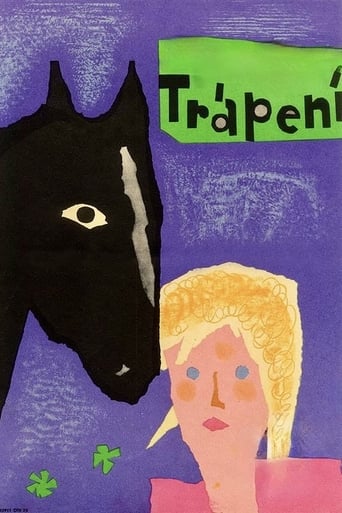
This is an engaging drama by director Karel Kachyna about the growing pains of a young teen (Jorga Kotrbova) and the hardships of a noble steed mistreated by a cruel neighboring farmer. The teen is having a hard time figuring out adult modes of behavior, and at the same time her heart goes out to the horse that is suffering under the treatment of the farmer next door to her family. As the teen adopts the horse as a friend, some clarification will be sure to come on the meaning of adulthood and the benefits of compassion.
Elective AffinitiesElective Affinities · 1968
Elective Affinities
5.01968
MovieDocumentary
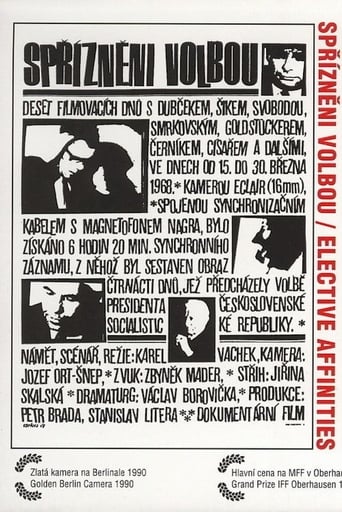
Documentary showing the Czechoslovakian political landscape in March 1968, when president Antonin Novotny, a hardline Stalinist, stepped down and moderate communist Ludvik Svoboda was elected. Five months later, in August 68, the Prague Spring would end with the military intervention of the Warsaw Pact.
All Men Become BrothersAll Men Become Brothers · 2023
All Men Become Brothers
2023
MovieDocumentary
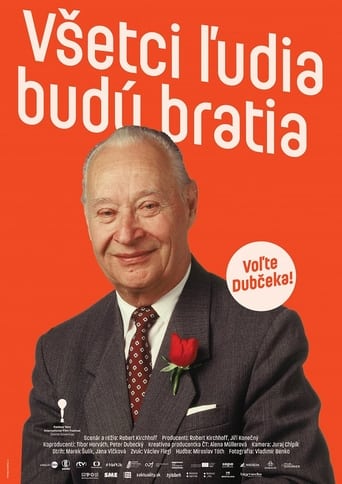
A film about the phenomenon of Alexander Dubček, a Czechoslovak politician, one of the most prominent personalities of the Prague Spring of 1968, author of the concept of “socialism with a human face”.
Obscurantist and His Lineage or The Pyramids' Tearful ValleyObscurantist and His Lineage or The Pyramids' Tearful Valley · 2011
Obscurantist and His Lineage or The Pyramids' Tearful Valley
2011
MovieDocumentaryMystery
Karel Vachek’s latest documentary essay deals with the fine line between an internal belief in God and institutionalized religion. At the same time it brings up the need for a healthy sense of skepticism and the benefit of not believing in anything that advertises itself as certain. The filmmaker sets out for the USA, Japan, Great Britain, Poland, and the Balkans in his sometimes amusing investigation of spiritual substitutes, such as esoteric "teachings” or various fraudulent and magical practices, to which we sometimes fall prey due to our natural religious cravings. In addition to a Czech "prefab” family, who describe the carryings-on of their poltergeist, well-known mystery buffs appear in the film: Erich von Däniken, Raymond Moody Jr., and Ivan Mackerl.
Is Everyone Right? Karel Floss and the OthersIs Everyone Right? Karel Floss and the Others · 2016
Is Everyone Right? Karel Floss and the Others
2016
MovieDocumentary
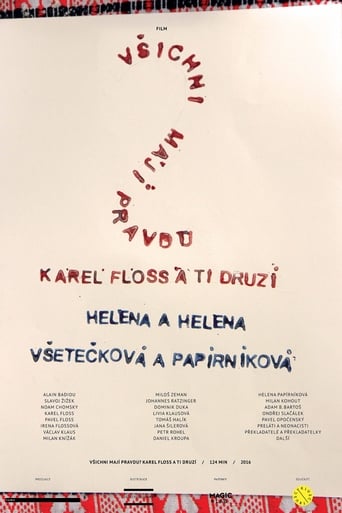
A multi-portrait of the history of post-1989 Czech ideas and sensibilities, centered around left-wing Christian philosopher Karel Floss. Circling his ideas on God, truth, and politics like satellites are statements by strongly antithetical individuals including Milan Knížák, Ondřej Slačálek, Noam Chomsky, and Czech nationalist thinkers. Working with a subtle sense of irony, the film is openly inspired by the style of Karel Vachek as it makes use of semantic counterpoints, situational humor and aloof formal elements. The result is a kind of audiovisual riverbed for channeling the fury of a nation that recalls a child that is just learning to think and does not know what to relate to first, because in a certain sense, basically “everyone is right”.
Communism and the Net, or the End of Representative DemocracyCommunism and the Net, or the End of Representative Democracy · 2019
Communism and the Net, or the End of Representative Democracy
2019
MovieDocumentary
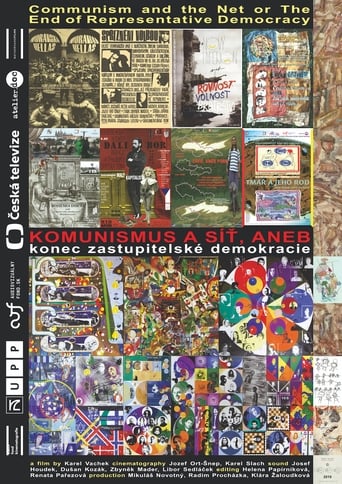
The six-hour essay in four parts examines the history of regimes and revolutions, leaders and martyrs, from a philosophical perspective. The collage of personal memories, staged scenes and archives of collective memory compares the Prague Spring to the Velvet Revolution and shows the exposure, conflict, crisis, and catharsis of the post-communist society. Democracy can be saved through creative laughter, dissolving the untouchability and hypertrophic egos of the representatives of state institutions. The Internet frees the society from representatives of the non-functional connecting link that prevents direct communication between citizens and institutions of power. “I can see you until I spot you. Once I spot you, I cannot see you anymore.” K. Vachek

More Like This

Couldn't load this row right now.
Rate this film

Your ratings make Midnight smarter