Carnet de viaje
1961 · 34 min
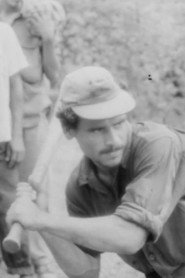
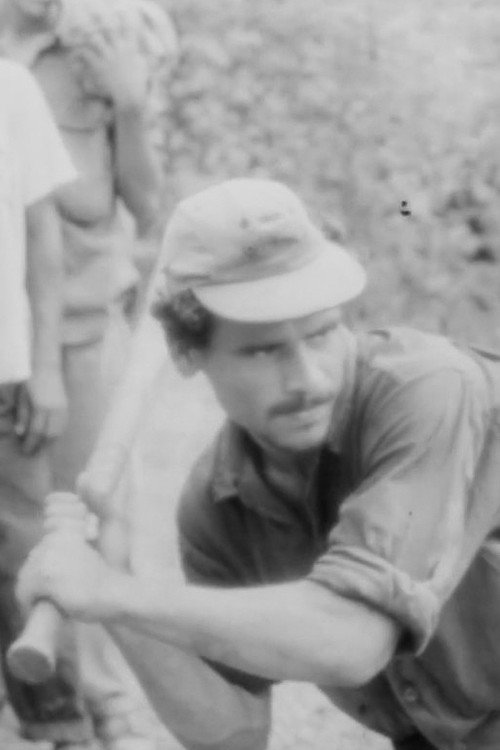
A travel report from Cuba, a year after the fall of Batista, reflecting the euphoria of the early years of the revolution.
Directed by Joris Ivens · Written by Ania Francos
Your Rating
Cast
-
 Julio Capote Narrator
Make it a double feature
1h 1m together
Both from Joris Ivens.
More from Joris IvensSee all →
 Friendship Triumphs · 1951
Friendship Triumphs
★ 10.01951
MovieDocumentary
Film about the third 'Weltfestspiele der Jugend und Studenten für den Frieden' in East Berlin, 1951. West Germany is represented as a degenerate country which has been occupied by the Americans and is still inclined to fascism. We see the construction of the stadium, the departure and arrival of the delegations, the opening and closing by Enrico Berlinguer, a sports event, the parade of the delegations, a visit to Potsdam, folk dancing, and police violence against youngsters from West Berlin who want to visit East Germany because of the games. The film is interlaced with shots from the Korean War and a parade by NATO-troops in West Germany. Featuring Robert Montgomery, Konrad Adenauer, Wilhelm Pieck, Dwight Eisenhower, Robert Leer and Erich Honecker. The crew comprised no less than 24 cameramen. This project was the first great colour film Ivens co-operated in.
 The Threatening Sky · 1966
The Threatening Sky
★ 9.51966
MovieDocumentaryWar
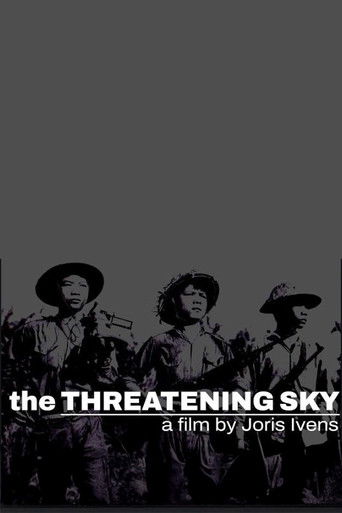
This documentary presents the Vietnam War as seen from within Vietnam, focusing on civilian life, industrial and agricultural labor, and organized resistance under sustained aerial bombardment. Introduced by Bertrand Russell, the film situates the conflict within a broader history of anti-occupation struggles, drawing parallels to World War II resistance movements. Footage includes interviews with Vietnamese leaders, scenes of air defense, and mass political mobilization.
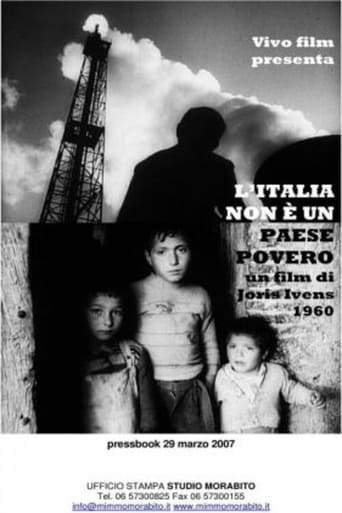 Italy Is Not a Poor Country · 1960
Italy Is Not a Poor Country
★ 9.01960
MovieDocumentary
A documentary about Italy's underground oil and metan deposits, sponsored by Italian state-owned oil company, ENI. Pictures of the state-of-the-art oil infrastructure are mixed with others of the traditional way of living of poorer Italian regions.
 Comment Yukong déplaça les montagnes · 1976
Comment Yukong déplaça les montagnes
★ 9.01976
SeriesDocumentary
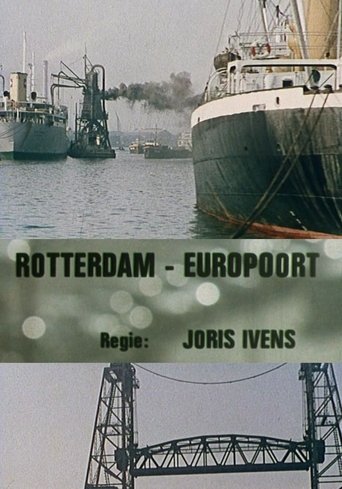 Rotterdam-Europoort · 1966
Rotterdam-Europoort
★ 7.51966
MovieDocumentary
Instructional film about the (former) biggest harbour in the world, with a hybrid format. Well known Ivens themes are revisited, like The Flying Dutchman in the fiction part of the film, who returns to the modern day Rotterdam, that has recovered very well after the devastating bombardments in the second world war.
 Far from Vietnam · 1967
Far from Vietnam
★ 7.21967
MovieDocumentaryWar
In seven different parts, Godard, Ivens, Klein, Lelouch, Marker, Resnais, and Varda show their sympathy for the North-Vietnamese army during the Vietnam War.
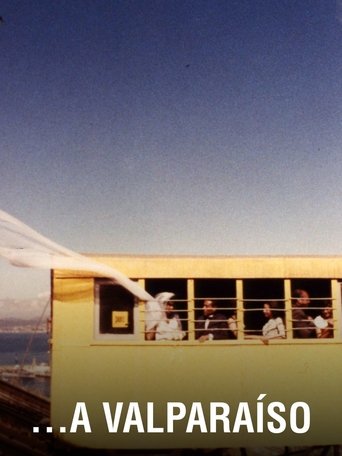 Valparaiso · 1964
Valparaiso
★ 7.01964
MovieDocumentary
In 1962 Joris Ivens was invited to Chile for teaching and filmmaking. Together with students he made …A Valparaíso, one of his most poetic films. Contrasting the prestigious history of the seaport with the present the film sketches a portrait of the city, built on 42 hills, with its wealth and poverty, its daily life on the streets, the stairs, the rack railways and in the bars. Although the port has lost its importance, the rich past is still present in the impoverished city. The film echoes this ambiguous situation in its dialectical poetic style, interweaving the daily life reality (of 1963) with the history of the city and changing from black and white to colour, finally leaving us with hopeful perspective for the children who are playing on the stairs and hills of this beautiful town.
 Havre · 1986
Havre
★ 7.01986
MovieDrama
Lili lives near the port of Le Havre. She is mourning her lover Pablo, who died leaving unfinished a video game he was developing for a Japanese trust. A young boy decides to take over the project, while Lili, guided by a mysterious figure called Doctor Digitalis, struggles with her grief and searches for meaning in his absence. The film blends reality and dreamlike visions against the backdrop of the docks and port landscapes.
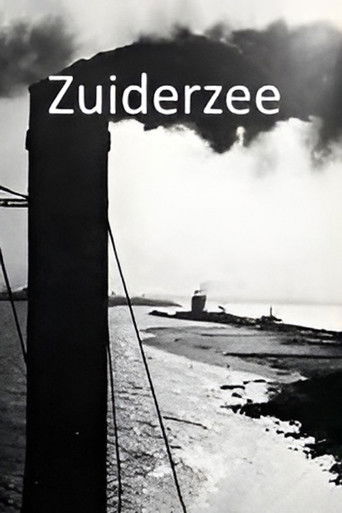 Zuiderzeewerken · 1930
Zuiderzeewerken
★ 7.01930
MovieDocumentary
This documentary documents the construction of the Afsluitdijk, the massive hydraulic engineering project that sealed off the Zuiderzee from the North Sea. Filmed over several years, it focuses on the labor required to build the dike and the final closing of the last gap in 1929.
 Branding · 1929
Branding
★ 7.01929
Movie
Between documentary and fiction, "Branding" (also know as "Breakers") stars an unemployed sailor from Katwijk, a land that sparked Ivens’ interest in the movement of the big waves crashing on the rocks. Determined to film them, he faced them with his camera and the result is staggering.
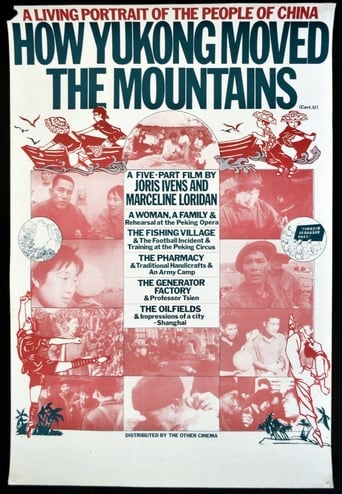 How Yukong Moved the Mountains · 1976
How Yukong Moved the Mountains
★ 7.01976
MovieDocumentary
From 1972 until 1974, Joris Ivens and Marceline Loridan, along with a Chinese film crew, documented the last days of the Cultural Revolution, marking the end of an era. The vast amount of footage they shot was edited into 14 films of varying lengths. Focusing on ordinary people spread over a wide geographic area—many of whom were living and working in collectives—the filmmakers recorded a unique moment in history, and also captured some of the more enduring aspects of Chinese culture.
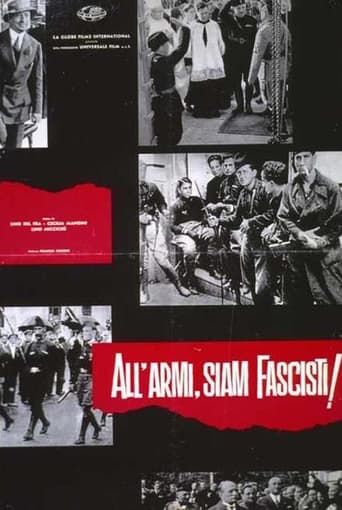 To Arms, We Are Fascists! · 1962
To Arms, We Are Fascists!
★ 7.01962
MovieDocumentaryHistory
Documentary compiled from archives and accompanied by a poet's commentary, shows the sweep of modern Italian history from 1911 to 1961, centering on the conditions leading to Fascism and the post-WWII reaction to the Fascist experience.
 The Seine Meets Paris · 1957
The Seine Meets Paris
★ 6.91957
MovieDocumentary
A poetic ode to the River Seine, Ivens' distinguished camera eye surveys its lively banks and step-stone canals with a vérité candor, a beguiling elan.
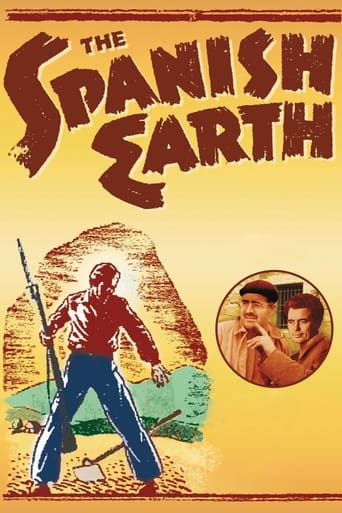 The Spanish Earth · 1937
The Spanish Earth
★ 6.71937
MovieDocumentary
Joris Ivens’s advocacy documentary for the Republican cause intercuts a besieged Madrid with a nearby village digging an irrigation canal, linking the war to bread, land, and survival. Produced by the writers’ collective Contemporary Historians, edited by Helen van Dongen, scored by Marc Blitzstein, and narrated in its U.S. version by Ernest Hemingway (after an initial Orson Welles track), it blends frontline reportage with persuasion against Franco’s forces and their German–Italian backers.
 Philips-Radio · 1931
Philips-Radio
★ 6.61931
MovieDocumentary
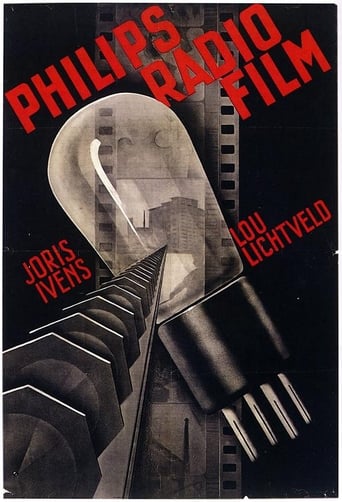
A poetic industrial short that follows a radio from molten glass to finished set: glassblowers shape valves, conveyors and assembly lines build chassis, cabinets, and speakers, engineers test and prototype—ending on a playful stop-motion “dance” of loudspeakers.
 A Tale of the Wind · 1989
A Tale of the Wind
★ 6.51989
MovieDocumentary
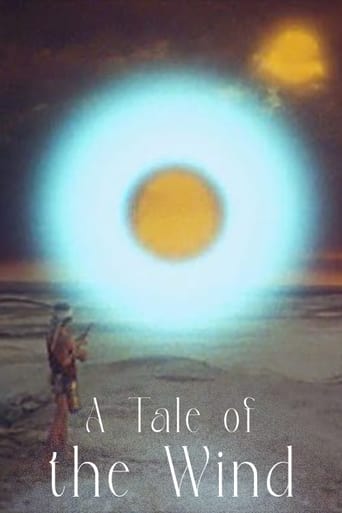
It is an autobiographical fiction starring Ivens as an old man who has spent his life trying to "tame the wind and harness the sea" by capturing them on film.
More Like This
Couldn't load this row right now.