
Those Who Worry
1930 · 6 min · ★ 6.5 · Music, Drama
A destitute, drunk woman appears to yearn for the life of a streetwalker.
Directed by Germaine Dulac
Your Rating
Cast
-
 Lilian Constantini
 - G Georges Vallée L'apache
Make it a double feature
12m together
Both from Germaine Dulac.
More from Germaine DulacSee all →
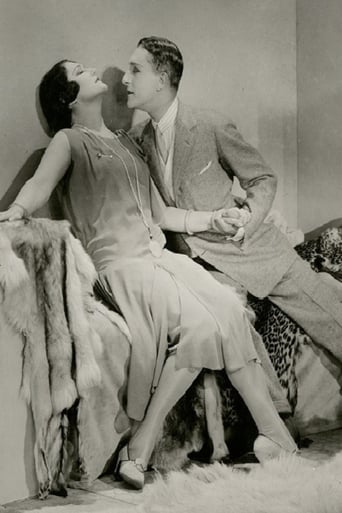 Antoinette Sabrier · 1927
Antoinette Sabrier
★ 10.01927
MovieDrama
Adapted from a play by Romain Coolus, whose work Dulac had covered as a theater critic at the turn of the century, this atmospheric and socially inquisitive film tells the tale of an independent, sexually liberated woman (Eve Francis) who is torn between her husband (Gabriel Gabrio) and her lover (Paul Guide). Controversial at the time of its release, Antoinette Sabrier finds Dulac using her bold sense of visual rhythm to achieve a complex portrait of a woman trapped in an unhappy marriage and a nuanced investigation into human intimacy, with her characters’ emotions expressed through then-innovative cinematic techniques such as slow motion and associative montage.
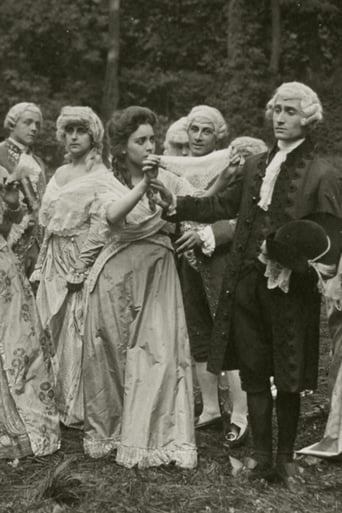 Âmes de fous · 1918
Âmes de fous
★ 9.01918
Movie
A serial in six episodes: 1) La seconde Marquise de Sombreuse; 2) Le Chateau maudit; 3) Folle; 4) L'Exilee; 5) La Danseuse inconnue; 6) Hallucination et realite. Set in modern day France in a chateau thought to be haunted since the Revolution, a Marquis and his daughter Irene (granddaughter of Marie Antoinette's lady companion) are preyed upon by Latin seductress, Lola, and her brother, Pedro. (Summary by Tami Williams, from the 2018 Il Cinema Ritrovato film program)
 The Bread Peddler · 1923
The Bread Peddler
★ 7.51923
MovieDrama
The Bread Peddler is a 1923 French silent drama film directed by René Le Somptier and starring Suzanne Desprès, Gabriel Signoret and Geneviève Félix. It is based on Xavier de Montépin's novel of the same title.
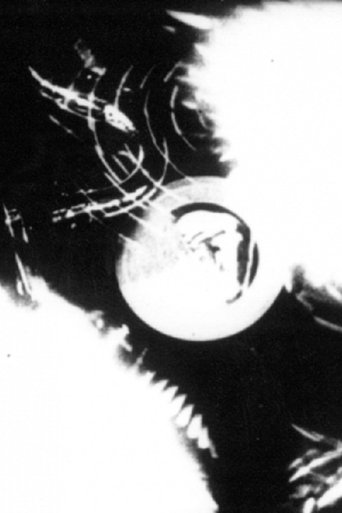 Record 957 · 1928
Record 957
★ 7.11928
MovieMusic
Dulac’s three 1929 "abstract" films, Record 957, Αrabesques, and Themes and Variations, were the results of a long period of reflection by the filmmaker, who sought to create a "pure" or "integral" cinema that would capture the essence of the new medium and owe nothing to the other arts. Each of these three studies was designed to be played silent. The first one, Record 957, is conceived of as a "visual impression […] in listening to Frédéric Chopin's Preludes n. 5 and 6." Its title and its opening shot of lightplay on a spinning record not only announce the film's dominant cyclical motif, but also evoke one of the filmmaker’s major sources of inspiration in Loie Fuller's serpentine dances.
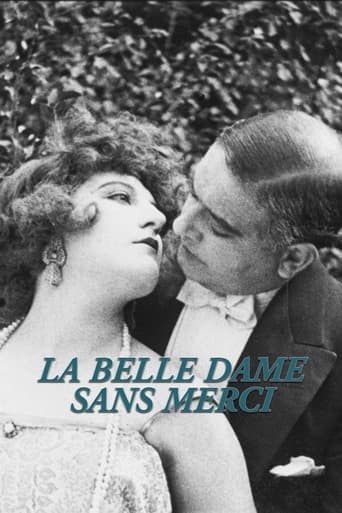 The Beautiful Woman Without Mercy · 1921
The Beautiful Woman Without Mercy
★ 7.01921
MovieDramaRomance
"Taking its title from John Keats’s early 19th-century poem, this highly personal melodrama finds Dulac interrogating the archetype of the femme fatale. La belle dame sans merci follows a famous actress who was once seduced and abandoned by a rich man and subsequently resolved to become a “merciless woman,” forever scheming to hurt others (men in particular) in a ruthless yet captivating manner. Dulac challenges the Romantic archetype embodied in Keats’s poem by way of symbolist mise en scène, self-reflexive narration, and her typically associative approach to editing, locating a modern ambiguity within the stereotypical figures of 19th-century art." - Film Society of Lincoln Center
 Princesse Mandane · 1928
Princesse Mandane
★ 7.01928
MovieAdventure
Brazen embrace of fashionable costume and glamour creates a witty celebration of Orientalism and cinema itself.
 Ceux qui ne s’en font pas · 1930
Ceux qui ne s’en font pas
★ 7.01930
MovieDrama
Popular songs accompany two scenes of happiness: a jovial railway worker and a group of children dancing.
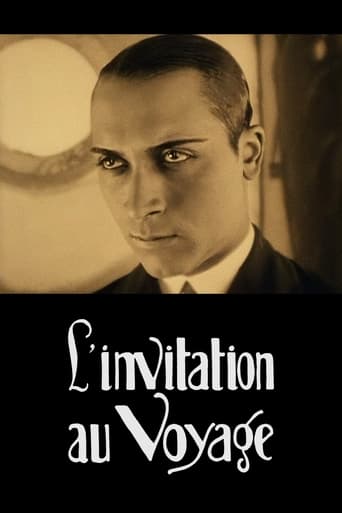 Invitation to a Journey · 1927
Invitation to a Journey
★ 7.01927
MovieDrama
A woman enters a nightclub and slowly begins to open herself up.
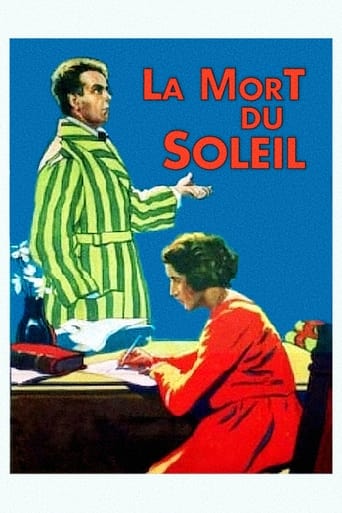 The Death of the Sun · 1922
The Death of the Sun
★ 7.01922
MovieDrama
A young doctor is asked by her husband to choose between her profession and her family.
 Heart of an Actress · 1924
Heart of an Actress
★ 7.01924
MovieDramaRomance
Desire brings out the worst in an actress' suitors-- One a well-to-do patron of London's theatre set, the other a lovestruck loner on the verge of penning a play dedicated to her.
 The Cigarette · 1919
The Cigarette
★ 6.81919
MovieDrama
A Parisian museum director believes his wife is cheating on him and so places a poisoned cigarette in the box on his desk, thus allowing chance to decide the moment of his death.
 The Seashell and the Clergyman · 1928
The Seashell and the Clergyman
★ 6.71928
MovieDramaFantasy
Obsessed with a general's wife, a clergyman has strange visions of death and lust, struggling against his own eroticism.
 Arabesque · 1929
Arabesque
★ 6.51929
MovieFantasy
The film’s visual structure is principally composed of variations on the arabesque: arcs of light, water spouts, spider webs, burgeoning trees, flowers and foliage, a woman’s smile, arms stretching, an arm giving rhythm to a rocking chair. It uses natural elements (light, mirrors, water, and wind) and photographic techniques (multiple exposures and lenses) to distort the various elements, or to intensify their design.
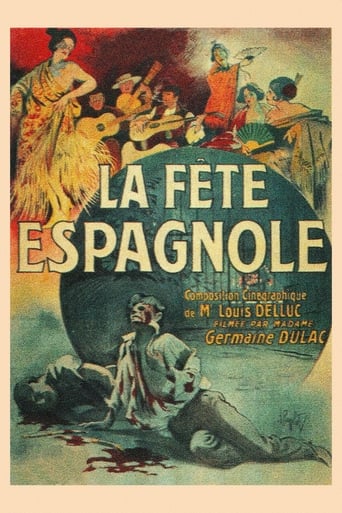 Spanish Fiesta · 1920
Spanish Fiesta
★ 6.31920
MovieDrama
Coveted by two different men, a woman turns to a third man instead.
 Themes and Variations · 1928
Themes and Variations
★ 6.21928
MovieDrama
I evoke a dancing woman. A woman? No. A bouncing line with harmonious rhythm. I evoke a luminous projection on veils ! Precise matter! No. Fluid rhythms. Why should one disregard, on screen, the pleasure that movement brings us in the theatre? Harmony of lines. Harmony of light. Lines, surfaces, volumes evolving directly, without the artifice of evocation, in the logic of its forms, dispossessed of any overly human sense, allowing an elevation towards the abstract, thus giving more space to sensations and to dreams : integral cinema. —Germaine Dulac
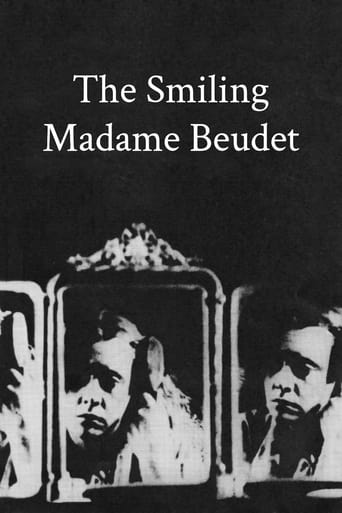 The Smiling Madame Beudet · 1923
The Smiling Madame Beudet
★ 6.01923
MovieDrama
An unhappily married woman devises a scheme to get rid of her husband.
More Like This
 Antonia's Line · 1995
Antonia's Line
★ 6.91995
MovieDramaComedy
After World War II, Antonia and her daughter, Danielle, go back to their Dutch hometown, where Antonia's late mother has bestowed a small farm upon her. There, Antonia settles down and joins a tightly-knit but unusual community. Those around her include quirky friend Crooked Finger, would-be suitor Bas and, eventually for Antonia, a granddaughter and great-granddaughter who help create a strong family of empowered women.
 La Jetée · 1962
La Jetée
★ 7.91962
MovieDramaRomance
A man confronts his past during an experiment that attempts to find a solution to the problems of a post-apocalyptic world caused by a world war.
 Sleepless in Seattle · 1993
Sleepless in Seattle
★ 6.71993
MovieComedyDrama
After the death of his mother, a young boy calls a radio station in an attempt to set his father up on a date. Across the country, an engaged woman becomes convinced that they belong together, despite their never having met. Will their paths collide despite the odds?