The Seventh Million

The Seventh Million

1995 · 110 min · ★ 9.0 · Documentary

The Seventh Million is a thought-provoking documentary series. It is based on a book by Israeli historian Tom Segev. The film, directed by Benny Brunner and written by Segev, examines some of the most sensitive and previously undisclosed chapters of Israeli history. It explores the Zionist leadership’s ambiguous response to the Holocaust as it was occurring and the challenges that the new state of Israel faced in dealing with the trauma of the Holocaust. The film also portrays the often-negative reception of Holocaust survivors in pre-Israel Palestine and in the new state of Israel, where they were frequently ignored or scorned by a society focused on heroism and the creation of a “new man.”

Directed by Benny Brunner · Written by Tom Segev

Your Rating

More from Benny BrunnerSee all →

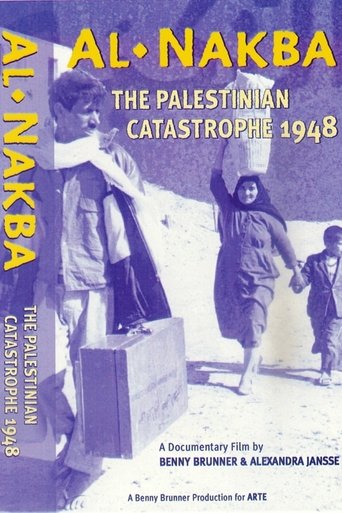
Al Nakba: The Palestinian Catastrophe 1948Al Nakba: The Palestinian Catastrophe 1948 · 1997
Al Nakba: The Palestinian Catastrophe 1948
9.01997
MovieDocumentary
Al Nakba: The Palestinian Catastrophe 1948 is a groundbreaking documentary film that comprehensively examines the events that resulted in the creation of over 700,000 Palestinian refugees and the destruction of approximately 400 Palestinian villages at the end of the first "Israeli-Arab war" in 1948. Featuring historian Benny Morris and drawing on his book “The Birth of the Palestinian Refugee Problem, 1947-1949,” this film is conducted in both Hebrew and Arabic with English voice-over. It is widely regarded as the first film to seriously tackle these historic events.
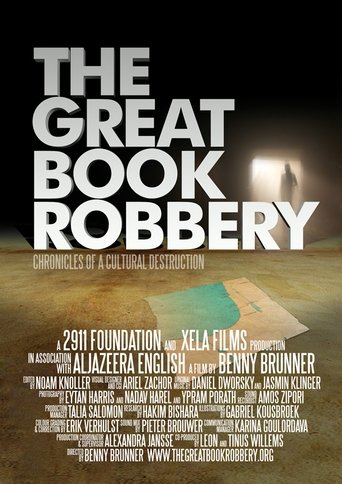
The Great Book RobberyThe Great Book Robbery · 2012
The Great Book Robbery
4.52012
MovieDocumentary
The Great Book Robbery is a powerful and poignant chronicle of cultural destruction. It tells the story of the 70,000 Palestinian books that were looted by the newly formed State of Israel in 1948. The film weaves together a range of storylines to create a dramatic, engaging, and deeply emotional structure. The interviews in the film focus on first-hand accounts and cultural analyses that contextualize the book theft within a larger historical and cultural framework, shedding new light on the Palestinian tragedy of 1948 and its impact on culture.
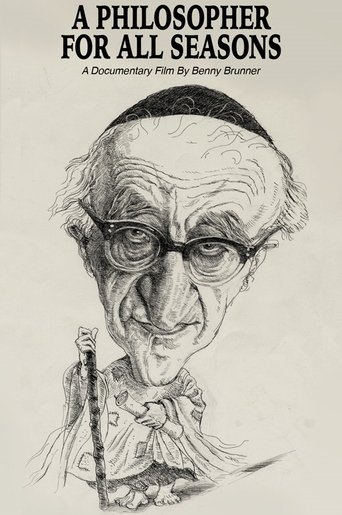
A Philosopher for All SeasonsA Philosopher for All Seasons · 1991
A Philosopher for All Seasons
1991
MovieDocumentary
This documentary film is a thought-provoking portrait of the late Professor Yeshayahu Leibowitz, a prominent and outspoken critic of Israeli occupation politics. He famously coined the term "Judeo-Nazi" during the 1982 Lebanon War to describe Israel's military mentality.
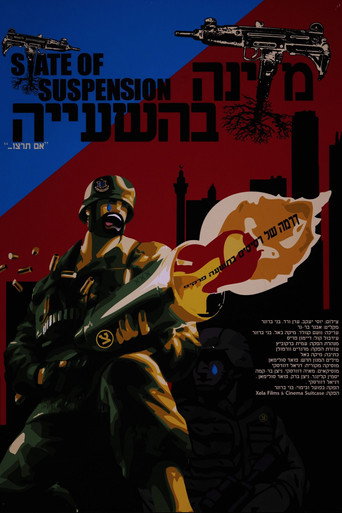
State of SuspensionState of Suspension · 2009
State of Suspension
2009
MovieDocumentaryComedy
State of Suspension is a drama of fragments in nine chapters; an unusual and provocative look at Israel, sixty years after independence. The film is a composite of satirical performances, music and poetry especially composed for the film, which transform the Israeli national anthem and the Declaration of Independence into inclusive rallying calls. These elements are interspersed with unique archival material, compelling situations, revealing statements by a variety of people, all related to the ongoing conflict and the occupation.
The H ProtocolThe H Protocol · 2017
The H Protocol
2017
MovieDocumentary
The Hannibal Directive was a highly classified military order used by the Israeli army. It was created in 1986 by three top army commanders and outlined the measures to be taken if an Israeli soldier was captured during combat. The order intended to prevent the enemy from escaping with the captured soldier, even if it meant putting the soldier's life and the lives of civilians at risk. The Hannibal Directive was last implemented during the 2014 Gaza War, also known as Operation Protective Edge, during which over 2,000 Palestinians and 72 Israelis were killed. On August 1, 2014, the Israeli Army invoked the Hannibal Directive at Rafah in southern Gaza to prevent Hamas fighters from fleeing with a captured Israeli officer. The intense action that followed resulted in the deaths of at least 135 civilians, 75 of whom were children. Amnesty International and other NGOs have labelled the events of that day, referred to as "Black Friday," as a war crime.
The Érpatak ModelThe Érpatak Model · 2015
The Érpatak Model
2015
MovieDocumentary
The film portrays Mihály Zoltán Orosz; the hyper-energetic and ultra-nationalist mayor of Érpatak, a small village with a population of 1,750 inhabitants in Eastern Hungary. Delusions of grandeur and a desire for control drive Mayor Orosz. He has divided the villagers into two groups: “builders” who support his vision for the “Érpatak Model,” and “destroyers” who oppose it. His ultimate goal is to establish a “sacred and organic dictatorship” in which order, discipline, and a fighting spirit are the supreme values, uniting the community at the local level and the nation at the national level.

More Like This

Couldn't load this row right now.

Rate this film

Your ratings make Midnight smarter