Youth (Hard Times)
2025 · 227 min · ★ 8.2 · Documentary
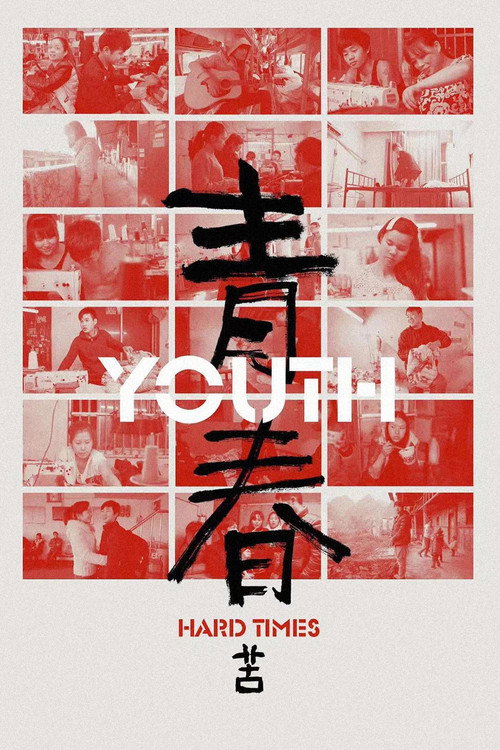
In this enveloping second part of the Youth trilogy, shot between 2015 and 2019, Wang Bing deepens his vérité portrait of a generation struggling to survive on meager wages amidst a nation’s economic expansion, emphasizing the distrustful, increasingly combative relationship between workers and management.
Directed by Wang Bing
Your Rating
Where to Watch
Streaming




Rent or Buy

Trailers & Videos
Make it a double feature
19h 37m together
Both from Wang Bing.
Youth CollectionSee all →
 Youth (Spring) · 2023
Youth (Spring)
★ 6.92023
MovieDocumentary
This film was shot between 2014 and 2019 in the town of Zhili, a district of Huzhou City in Zhejiang province, China. Zhili is home to over 18,000 privately-run workshops producing children's clothes, mostly for the domestic market, but some also for export. The workshops employ around 300,000 migrant workers, chiefly from the rural provinces of Yunnan, Guizhou, Anhui, Jiangxi, Henan and Jiangsu.
 Youth (Homecoming) · 2025
Youth (Homecoming)
★ 7.62025
MovieDocumentary
Wang Bing concludes his monumental Youth trilogy in expansive fashion, giving ever wider scope to the lives of migrant workers in Zhili’s textile factories as they plan to go to their remote hometowns to visit their families and celebrate the festivities for New Year’s break.
More from Wang BingSee all →
 15 Hours · 2017
15 Hours
★ 10.02017
MovieDocumentary
The town of Zhili accounts for 80 percent of China's output of children's clothes. 15 Hours was shot in August 2016. Zhili, part of the city of Huzhou in the province of Zhejiang, is home to around 18,000 small factories for children's clothing, manned throughout the year by over 200,000 migrant workers. In the 1980s, Zhejiang saw the emergence of a private capital-based garment industry open to any and all operators prepared to invest in flexible business models based on mutual credit or leasing. This film documents one day in the lives of the workers of 68 Xisheng Road in Zhili.
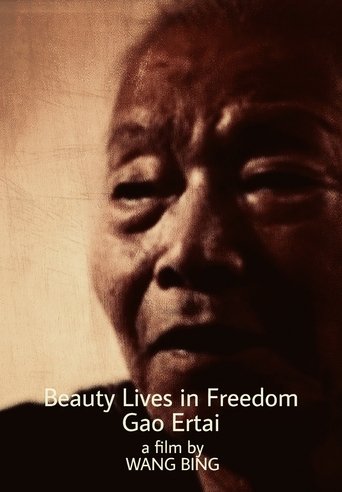 Beauty Lives in Freedom · 2018
Beauty Lives in Freedom
★ 8.02018
MovieDocumentary
Gao Ertai (1931) is an artist, teacher, philosopher who, in the 1950s, was imprisoned in the Jiabiangou Labour Camp. The film works as a diptych with Fengming, the confessional story of another victim of reprisals, and closes a vast film series on those who disappeared.
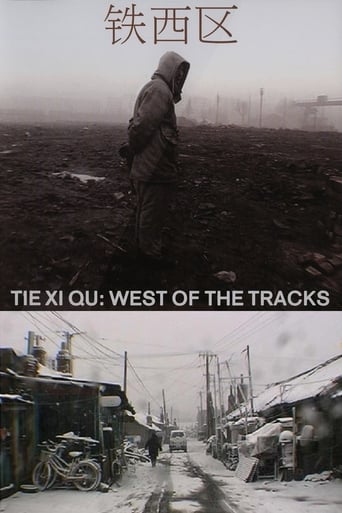 Tie Xi Qu: West of the Tracks · 2004
Tie Xi Qu: West of the Tracks
★ 7.82004
MovieDocumentary
A detailed look at the gradual decline of Shenyang’s industrial Tiexi district, an area that was once a vibrant example of China’s socialist economy. But industry is changing, and the factories of Tiexi are closing. Director Wang Bing introduces us to some of the workers affected by the closures, and to their families.
 Fengming: A Chinese Memoir · 2007
Fengming: A Chinese Memoir
★ 7.82007
MovieDocumentary
The film consists almost entirely of an interview with the elderly He Fengming, recounting her experiences in post-1949 China.
Youth (Homecoming) · 2025Youth (Homecoming)
★ 7.62025
MovieDocumentary
Wang Bing concludes his monumental Youth trilogy in expansive fashion, giving ever wider scope to the lives of migrant workers in Zhili’s textile factories as they plan to go to their remote hometowns to visit their families and celebrate the festivities for New Year’s break.
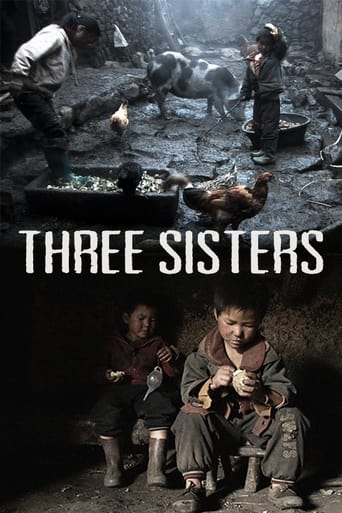 Three Sisters · 2012
Three Sisters
★ 7.52012
MovieDocumentary
The masterful new documentary from Wang Bing is an intimate, observational portrait of a peasant family who eke out a humble existence in a small village set against the stunning mountain landscapes of China's Yunnan province.
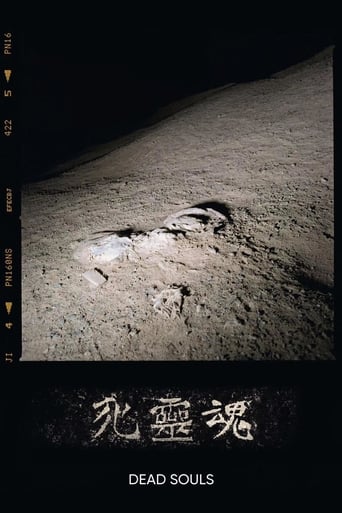 Dead Souls · 2018
Dead Souls
★ 7.42018
MovieDocumentary
In Gansu Province, northwest China, lie the remains of countless prisoners abandoned in the Gobi Desert sixty years ago. Designated as ultra-rightists in the Communist Party’s Anti-Rightist campaign of 1957, they starved to death in the reeducation camps. The film invites us to meet the survivors of the camps to find out firsthand who these persons were, the hardships they were forced to endure and what became their destiny.
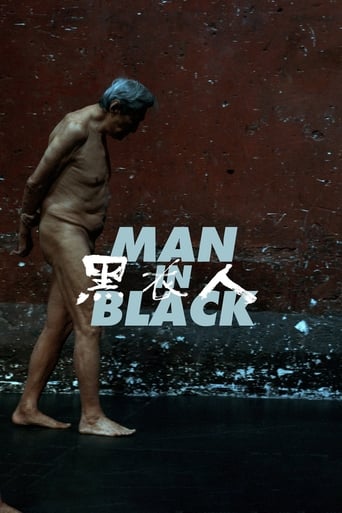 Man in Black · 2023
Man in Black
★ 7.42023
MovieDocumentary
Wang Xilin, 86, is one of China's most important modern classical composers. During the Cultural Revolution he was the target of severe persecution, enduring beatings, imprisonment and torture. With excerpts from his Symphonies, he revisits for this film some of the horrifying events that still live on in his memory as testimony to an era that saw the dehumanization of the entire Chinese nation.
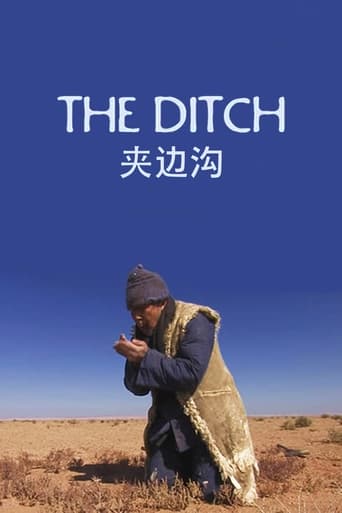 The Ditch · 2011
The Ditch
★ 7.12011
MovieDrama
The film focuses on the suffering of Chinese who were imprisoned in a forced labor camp called Jiabiangou in the Gobi Desert in winter 1960 under Mao Zedong on the grounds that they were "rightist elements". The film tells of the harsh life of these men, who coped with physical exhaustion, extreme cold, starvation and death on a daily basis.
 'Til Madness Do Us Part · 2014
'Til Madness Do Us Part
★ 7.12014
MovieDocumentary
An insight into the everyday lives of 50 inmates of a mental institution in the Chinese province of Yunnan, who are there for killing someone, committing a crime against a public official, or have a developmental disability.
Youth (Spring) · 2023Youth (Spring)
★ 6.92023
MovieDocumentary
This film was shot between 2014 and 2019 in the town of Zhili, a district of Huzhou City in Zhejiang province, China. Zhili is home to over 18,000 privately-run workshops producing children's clothes, mostly for the domestic market, but some also for export. The workshops employ around 300,000 migrant workers, chiefly from the rural provinces of Yunnan, Guizhou, Anhui, Jiangxi, Henan and Jiangsu.
 Father and Sons · 2014
Father and Sons
★ 6.42014
MovieDocumentary
In 2010, while he was filming "Three Sisters" in the mountain of Yunnan province, Wang Bing met two teenagers, Yonggao and Yongjin, whose father, a stonemason, had gone to the city in the hope of finding work. Wang Bing met up with them again in 2014, when they had been reunited with their father after four years in Fumin. For about a month, Wang Bing filmed their daily lives in the single squalid room that was their home. The fixed camera recorded the micro-events that punctuated their days : their father leaving for work, the youngsters themselves waking up, breakfast time, in front of the television, etc.
 Man With No Name · 2010
Man With No Name
★ 6.22010
MovieDocumentary
The character of this story lives far from the worlds of the material and the spirit. He has built his own subsistence conditions. He often goes to the neighboring villages, although he doesn’t communicate with other people. He collects some waste but doesn’t beg. He prowls about the ruins of deserted villages, as an animal or as a ghost. Under double political and economical pressure, most of people are depriving of their last dignity into a world where it exists a lack of material and spirit. But a human being stays a human being. He is looking for reasons to continue to live. —Wang Bing
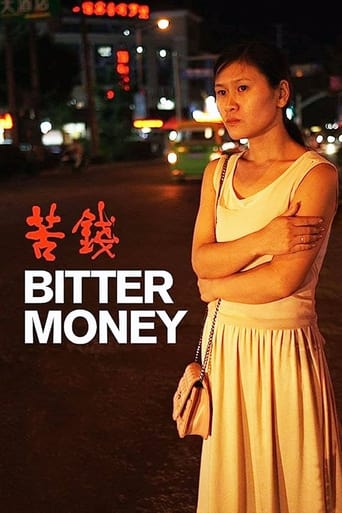 Bitter Money · 2018
Bitter Money
★ 6.12018
MovieDocumentary
In a fast growing city of East China, migrants have been arriving and living for a dream of a better life. But what they find there is little opportunities and poor living conditions that push people, even couples, into violent and oppressive relations. Xiao Min, Ling Ling and Lao Yeh are some of the characters of this bitter chronicle of today China.
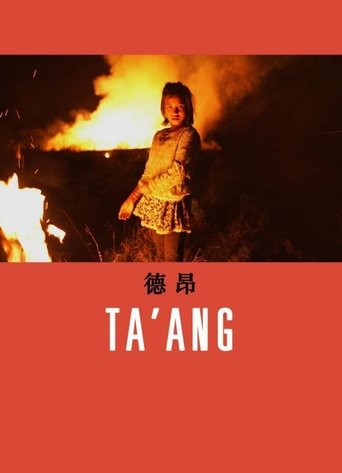 Ta'ang · 2016
Ta'ang
★ 5.92016
MovieDocumentary
The Ta'ang or Palaung people, an ethnic minority living in the mountainous area between Myanmar's Kokang region and China's Yunnan province, have historically suffered many forced migrations due to war. When their survival is threatened again in 2015, thousands of them flee across the border. Filmmaker Wang Bing accompanies them and becomes a privileged witness to a human story that is both a modern reportage and a mythical epic.
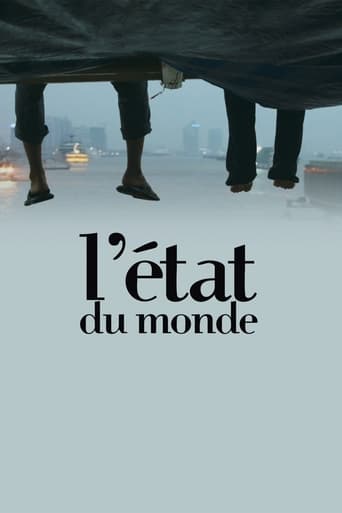 The State of the World · 2007
The State of the World
★ 5.32007
MovieDocumentaryDrama
Six directors, six independent films, six visions on the state of the world. Each carrying a unique and personal interpretation of a specific experience, their crossover creates new space for a dynamic and radical inquisitive reflection.
More Like This
Couldn't load this row right now.