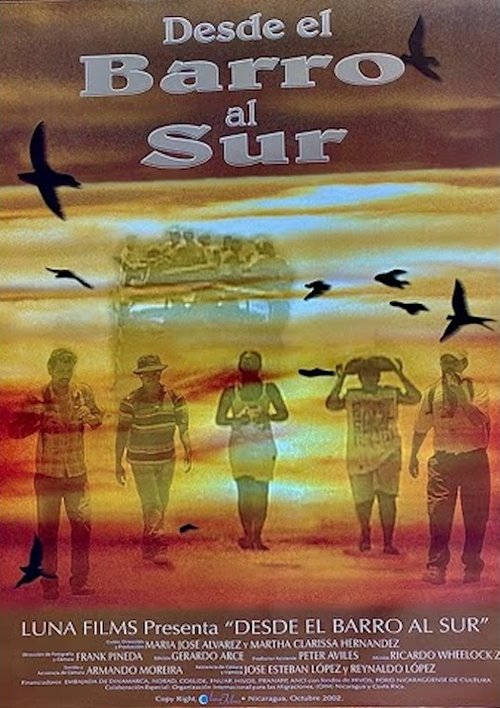
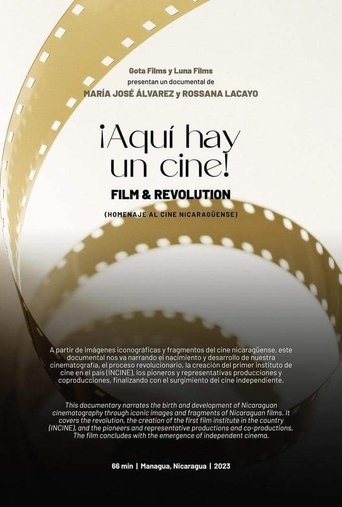
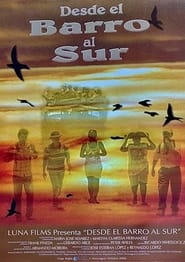
Desde el barro al sur 2002 · Documentary Directed by Maria Jose Alvarez + My List Mark as watched ↗ Share Your Rating ★★★★★ More from Maria Jose AlvarezSee all →‹The Black Creoles: Memories and Identities · 2011The Black Creoles: Memories and Identities2011MovieDocumentaryThis feature documentary gives voice to the Creole people from Nicaragua and Costa Rica who have lived in resistance to colonialism, and now struggle to maintain their identity. Through multiple testimonies, we learn about how Black people came to the Caribbean and how Creole culture was formed in the region. These are stories of everyday life that reflect the cultural distinctions and traditions of different communities, their worldviews, memories, dreams, identities and the challenges they faced – yesterday and today.▶+Film & Revolution · 2023Film & Revolution2023MovieDocumentaryThis documentary narrates the birth and development of Nicaraguan cinematography through iconic images and fragments of Nicaraguan film. It covers the revolution, the creation of the first film instituto in the country (INCINE), and the pioneers and representative productions and co-productions. The film concludes with the emergence of independent cinema.▶+White Organdy · 1998White Organdy1998MovieFilmed in black and white with no spoken dialogue, the story follows a young girl named Alenka, who wanders through rural Nicaragua carrying a white organdie dress.▶+Lady Marshall · 1991Lady Marshall1991MovieLady Marshall is an ethnographic documentary that captures the daily lives of the residents in Marshall Point, a small fishing community located on the South Caribbean Coast of Nicaragua. The film focuses on the testimonies of three Garifuna and Creole women: Manuela, Evereth, and Vasdy. Breaking traditional gender roles, they are the only women in the region who own and operate their own fishing boat. The documentary showcases their daily balance as artisan fisherwomen, boat transporters, housewives, and mothers, offering a rare and intimate look into afro-descendant identity and female resilience in the Caribbean region.▶+›More Like ThisCouldn't load this row right now.