Coca Mama

Coca Mama

2004 · 75 min · ★ 10.0 · Drama, Crime

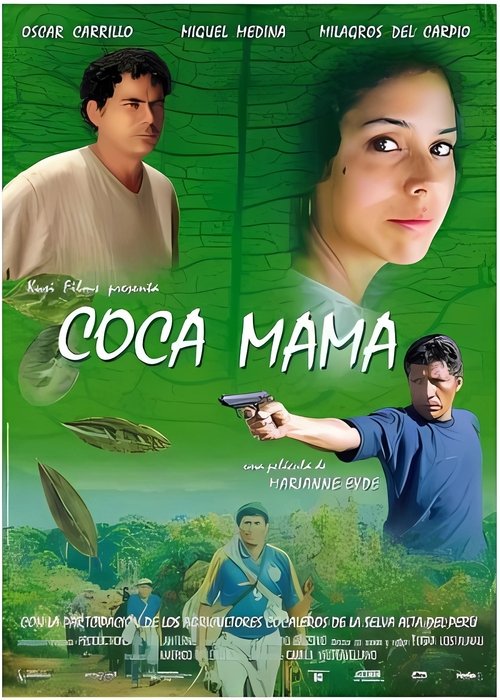
Paulina, a young merchant, arrives to Kintupata, where the coca leaf is cultivated. She becomes a friend and lover of Gato, the local drug trafficker, and Antonio, the eternal writer and former drug addict. Paulina’s conflict, confused and trapped by her new relationships is intermingled with the drama of the coca farmers. Filmed in the town center of Villa Mejorada, Valley of the Apurímac River, Ayacucho.

Directed by Marianne Eyde · Written by Marianne Eyde

Your Rating

Cast

More from Marianne EydeSee all →
You Only Live OnceYou Only Live Once · 1993
You Only Live Once
6.31993
MovieDramaHistory
Peru in the early 1980s… a time of difficulties.
La CarnadaLa Carnada · 1999
La Carnada
5.01999
Movie
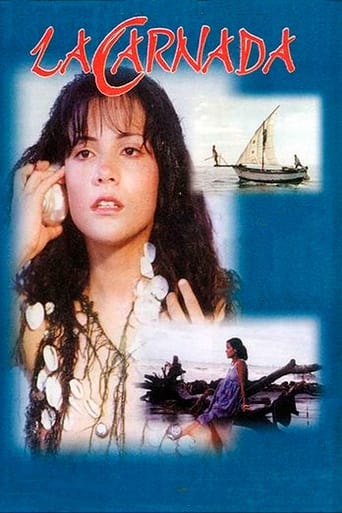
Maria earns her living fishing in a northern Peruvian village, working alongside her husband. But when her husband is called away to work on larger industrial fishing boat, Maria, who is pregnant, finds ways to act out her anger.
CasireCasire · 1980
Casire
1980
MovieDocumentary
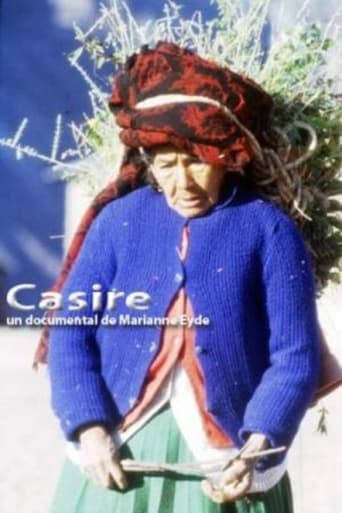
Casire is a peasant community on the slopes of the Sara Sara Volcano in the south of Peru. Two hundred people still live in the community. The film narrates the story of the Volcano´s spell on the community, when she discovered that incestous relationships were practised there. She erupted, leaving the village in ruins, but being a female herself considered the men guilty and allowed only the women to remain in the village. The film tells what happens after the Spanish conquest when the Christian decided to put an end to the Volcano’s power to cast spells, and the state of the village nowadays.
El ViolinistaEl Violinista · 1977
El Violinista
1977
MovieDocumentary
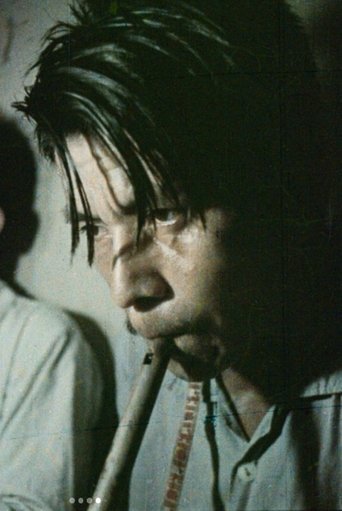
Portrait of the Ayacucho violinist Máximo Damián Huamani.
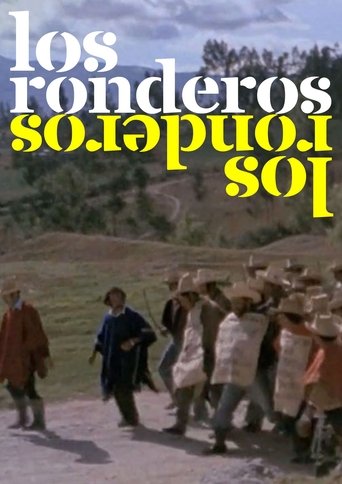
Los RonderosLos Ronderos · 1987
Los Ronderos
1987
MovieDrama
The film presents the most important features of the Rondas Campesinas in their conflict with rustlers in Chota, in the Department of Cajamarca in the 1970s. Ronderos surprise three rustlers stealing cattle and hand them over to the authorities. But they release the rustlers, who go back to steal and kill a peasant. Faced with this murder, the ronderos capture the rustlers and decide to reeducate them, so they learn to work and become useful people for their community. With the participation of the members of the Rondas Campesinas from Chota and teachers of the normal school of Chota.
Motilones LamistasMotilones Lamistas · 1975
Motilones Lamistas
1975
Movie
Explore the life of the Motilona community, part of the Kichua-Lamista ethnic group of the Peruvian Amazon, preserving their memory and cultural wealth.
Dibujando MemoriasDibujando Memorias · 2015
Dibujando Memorias
2015
MovieDocumentary
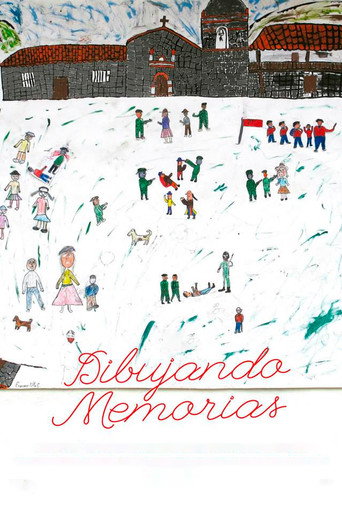
With pencils, brushes, colors, papers and canvases, those who were children during the internal armed conflict that ravaged Peru between 1980 and 2000, draw and paint with their children, forging the collective memory of the years of violence they lived through in their communities, in a story that dispels the fears that held them captive and shares their dreams for the future.
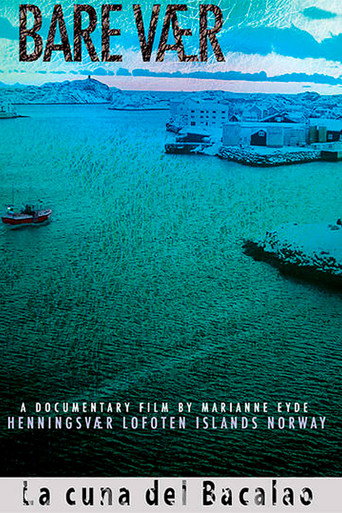
La cuna del bacalaoLa cuna del bacalao · 2008
La cuna del bacalao
2008
Movie
For centuries, dried fish has been Norway's main export. The Lofoten Islands, above the Arctic Circle, were once synonymous with cod fishing. Fishermen, entrepreneurs, and artisans tell us the story of Henningsvær: a vibrant community in an extreme environment.
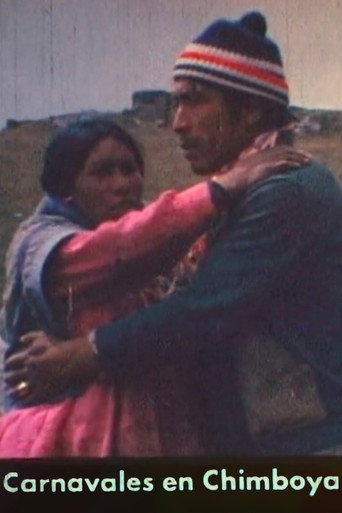
Carnavales en ChimboyaCarnavales en Chimboya · 1984
Carnavales en Chimboya
1984
MovieDocumentary
Carnival celebration by the community members of Chimboya (Corani district, Carabaya province), in homage to their farms and livestock.
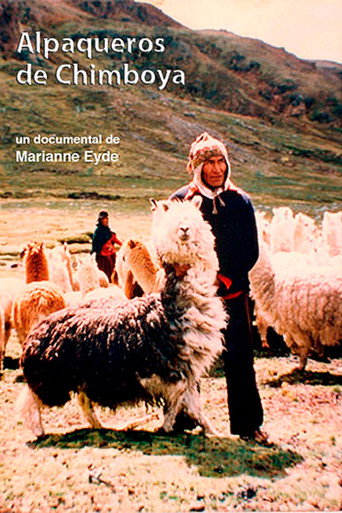
Alpaqueros de ChimboyaAlpaqueros de Chimboya · 1983
Alpaqueros de Chimboya
1983
MovieDocumentary
This documentary shows the daily lives of alpaca herders in Chimboya and describes the alpaca fiber marketing system, from the factory in Arequipa through intermediaries to the producers. Large companies advance money to traders or middlemen, who in turn provide advances in cash or food to the producers, to be repaid in wool. To supplement their diet, the farmers make long journeys to the lower valleys to exchange the products they produce on the high plateau, such as wool, textiles, and meat, for agricultural products like corn, barley, and wheat grown by the communities in the lower valleys.

More Like This

Couldn't load this row right now.
Rate this film

Your ratings make Midnight smarter