Acting
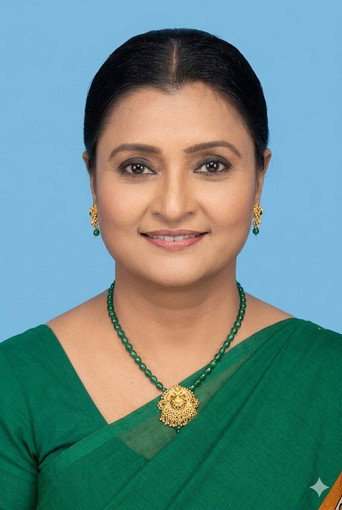
Chitralekha Guho
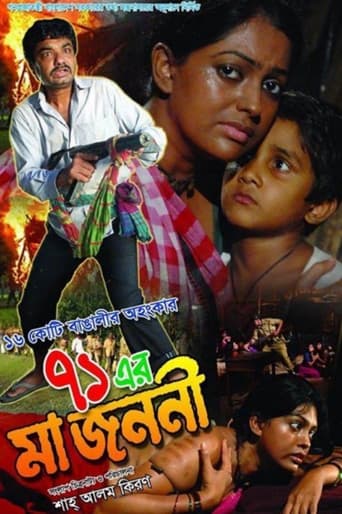
Chitralekha Guho is a Bangladeshi television, stage and film actress. She was awarded Bangladesh National Film Award for Best Supporting Actress for her role in the film '71 Er Maa Jononi (2014).
Known For
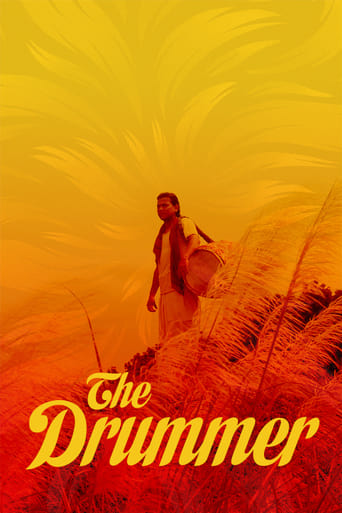 The Drummer · 2014
The Drummer
★ 6.22014
MovieDramaHistory
The story of a drummer and his family during the Liberation War of Bangladesh in 1971.
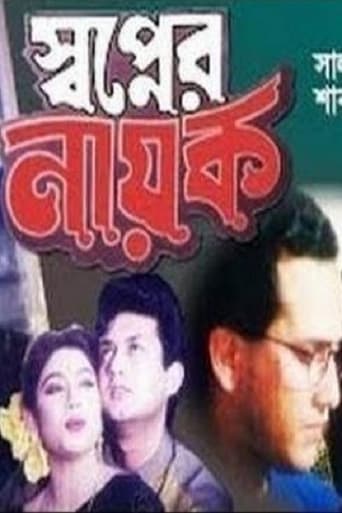 Shopner Nayok · 1997
Shopner Nayok
★ 6.01997
MovieDramaRomance
2 boy who has almost same face. The story was going to crime and romance.
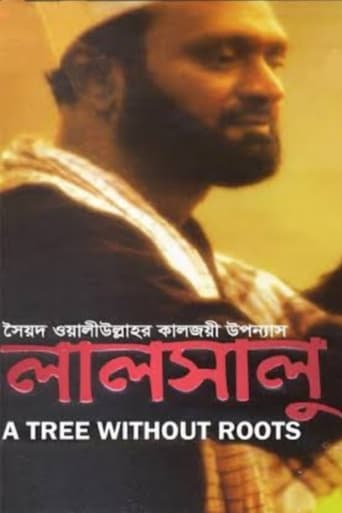 A Tree Without Roots · 2001
A Tree Without Roots
★ 6.22001
MovieComedyDrama
In this tragic-comic study of religious hypocrisy, a disreputable cleric convinces villagers that their community is home to a famous holyman's grave.
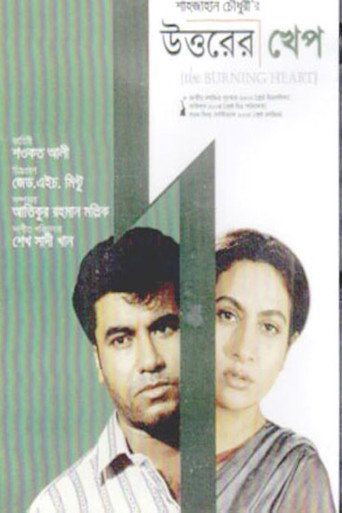 The Burning Heart · 2000
The Burning Heart
2000
MovieWarFamily
Struggle of a man's life against luck
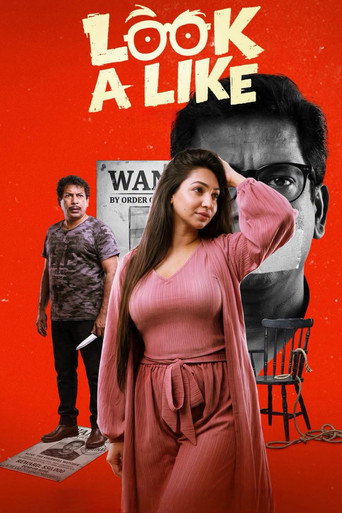 Look a Like · 2026
Look a Like
2026
MovieComedyDrama
A simple misunderstanding turns Rayhan's life upside down, pulling him into a situation far beyond his control. As secrets unravel and tensions rise, nothing is as it seems.
 The Japanese Wife · 2012
The Japanese Wife
2012
MovieDocumentary
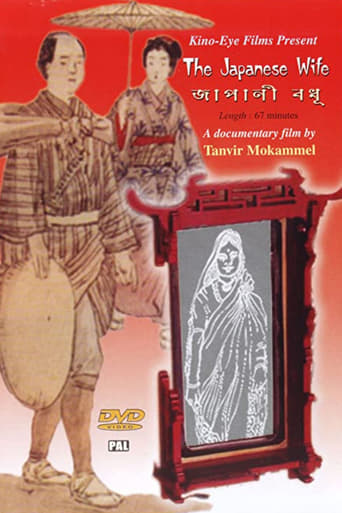
Hariprobha Basu Mallik (1890-1972) of Dhaka married Japanese citizen Wemon Takeda and went to Japan in 1912. About her travel and experiences in Japan she wrote a book titled as "Travel in Japan by a Bengalee Woman" (Bongo Mohilar Japan Jatra). Regarding travelogues on Japan the first book that comes into any Bengalee's mind is Rabindranath Tagore's well known "Traveller to Japan" (Japan Jatri). But while Tagore wrote about the beauty and aesthetics of Japan with profound depth, Hariprobha portrayed the everyday domestic life of the common Japanese people. Japan, during the beginning of the last century, seems a different country altogether. Hariprobha, during her last visit to Japan in 1941, used to read Bengali news from Tokyo radio for Subhas Chandra Bose's Azad Hind Fouz. After the Second World War Hariprobha returned to India and died in Kolkata in 1972.
 Molla Barir Bou · 2005
Molla Barir Bou
★ 6.72005
MovieComedyFamily
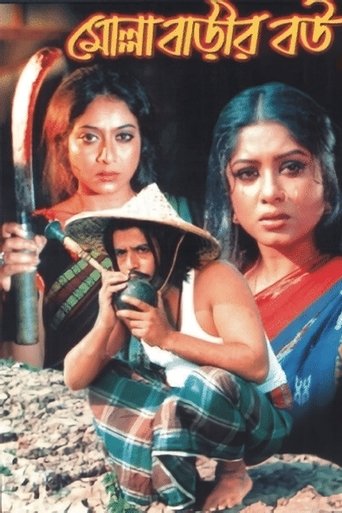
The charming story of the film is picked up from village life of our country. The mischief of the so-called 'Molla' who has no knowledge except fanatic sentiments perturbed all. His home is the seat of an oppressive regime.
 Common Gender · 2012
Common Gender
★ 4.02012
MovieDrama
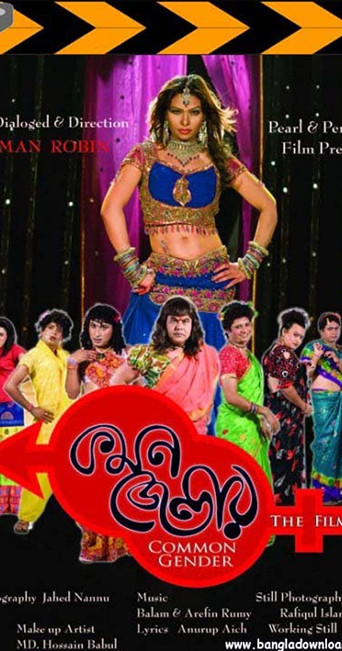
Common Gender is a 2012 Bangladeshi film starring Dolly Zahur and Chitralekha Guha. It is the first Bangladeshi film to portray the lives of Hijra or transgender people. It is one of the first films in world cinema to have two transgender people as lead characters. It was subsequently released in the United States.
Filmography
Sort
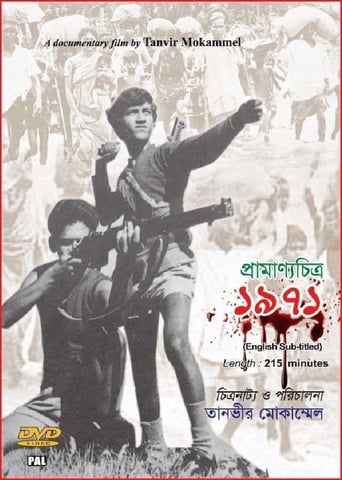 1971 · 2011
1971
★ 6.02011
MovieDocumentary
Narrator (voice)