Directing
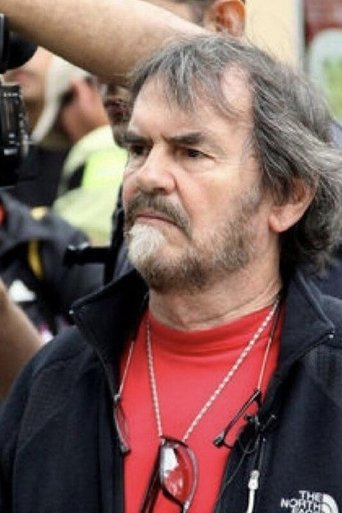
Carlos Azpúrua
Born January 15, 1950 · Caracas, Venezuela (age 76)
Venezuelan filmmaker, known for the film Disparen a matar (Shoot to Kill) from 1991, which won the Best Debut Film award at the International Festival of New Latin American Cinema and was a finalist for the Goya Award for Best Latin American Production. The film continues his preference for politically and socially charged cinema, presented with strong narrative skill and solid execution. Another …
Known For
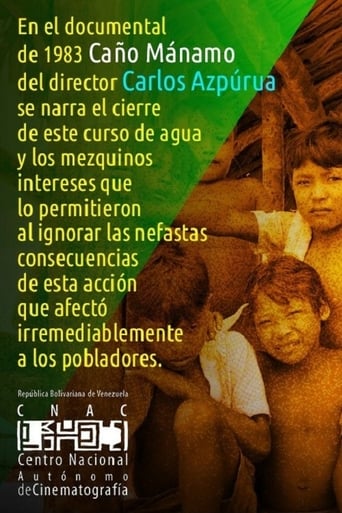 Caño Mánamo · 1983
Caño Mánamo
★ 6.41983
MovieDocumentary
A documentary about the building of a damn near Caño Mánamo and the effects it has on the environment.
 Borrador · 2005
Borrador
★ 3.02005
MovieDrama
After several years of retirement, Roco decides to make a new film. To achieve this, he reassemble his crew: cinematographer Larsen, Nacho the cameraman, soundman Meta and Cacho, the ever loyal machinist. But social and personal crises have dispersed the strange and remote territories of reality. Sometimes dramatic and and sometimes funny, Roco's search will lead him to an unavoidable encounter of life, death and rebirth.
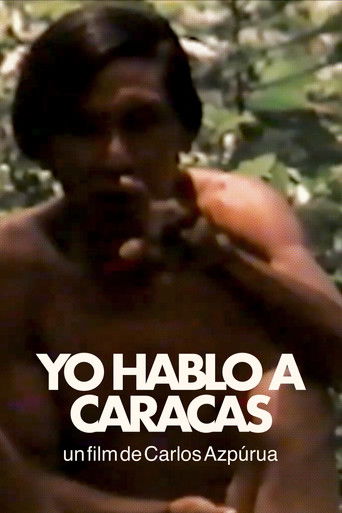 Yo hablo a Caracas · 1978
Yo hablo a Caracas
1978
MovieDocumentary
Yo hablo a Caracas (1978), the first documentary by Carlos Azpúrua, is marked by the luminous presence of the Yekuana shaman Barné Yavarí. This elder from the Amazonian forest articulates two powerful and prophetic warnings: first, a demand for respect toward the sovereignty of Indigenous beliefs and culture; second, a grave denunciation of the threat posed by “criollo” presence and its economically irrational logic to the natural balance of the Amazon. Through Yavarí’s voice, the film contrasts modern exploitation with a millennia-old Indigenous worldview grounded in harmony with nature, turning the documentary into an early and resonant plea for cultural dignity and ecological consciousness.
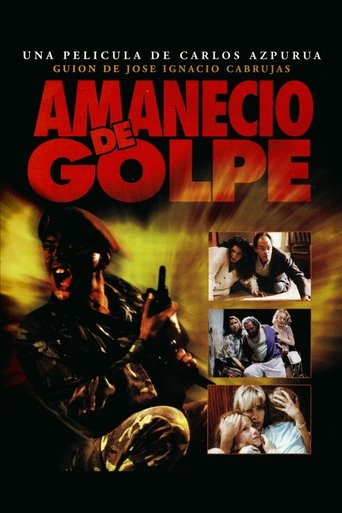 Coup at Daybreak · 1998
Coup at Daybreak
★ 6.81998
MovieDramaAction
The film follows the events of the night of February 4, 1992 in Caracas, Venezuela. That night a group of military rebels staged a coup d'etat. Venezuelans found themselves as virtual prisoners. As the coup starts and fighting takes place from a military base which is in the center of the city's most affluent areas, with both luxury high rises and palatial mansions. The area of La Carlota provides a wealth of very interesting, often flamboyant and typical characters of the Latin America upper middle and upper classes. They are among the most affected. Various vignettes in these different characters' homes are developed. These people's reactions, lifestyles, vices, and humanity come out in a very honest fashion under duress.
 Shoot to kill · 1990
Shoot to kill
★ 5.81990
MovieAction
During a police round-up, Mercedes witnesses the unjust murder of her son, a working-class man, by a police captain. Refusing to accept the official version of the story - that her son was a criminal - she launches a campaign for justice. Santiago, a young journalist moved by Mercedes's passion and determination, begins to investigate the story of the police cover-up at the risk of his own life. As the investigation develops, the film exposes the depth of Venezuela's corruption.
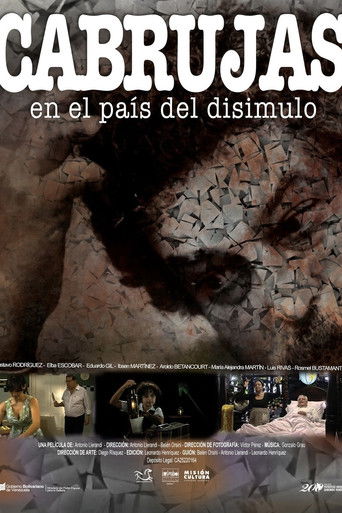 Cabrujas en el país del disimulo · 2017
Cabrujas en el país del disimulo
2017
Movie
Beginning with his childhood and covering the many facets that characterized his intellectual universe, this documentary details the different aspects of the most important venezuelan writer of the 60s, 70s and 80s: José Ignacio Cabrujas.
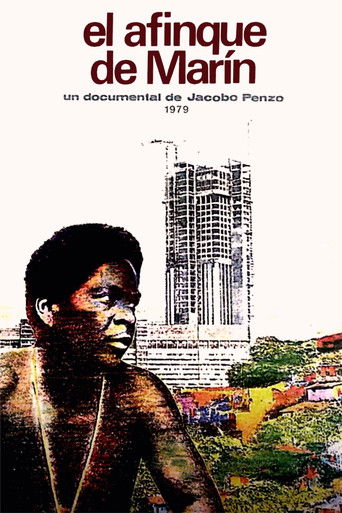 El afinque de Marín · 1979
El afinque de Marín
1979
MovieMusicDocumentary
El afinque de Marín (1979) is an iconic Venezuelan documentary directed by Jacobo Penzo that explores the life, culture, and popular music of the Caracas neighborhood of Marín. Far from being merely a film about music, it delves into the social roots and collective identity of the barrio, using rhythm and everyday life as a lens to reveal the bonds, struggles, and shared histories of its inhabitants. Through its intimate portrayal of people, sounds, and spaces, the film becomes a vivid testament to popular culture as a living expression of community and belonging.
 Amazonas, el negocio de este mundo · 1987
Amazonas, el negocio de este mundo
★ 8.01987
Movie
Documentary about multiple the denouncement of military, religious and science sectors, in relation to the violation of the indigenous tribes of the Venezuelan Amazon by the american evangelical mission New Tribes
Filmography
Sort