Acting
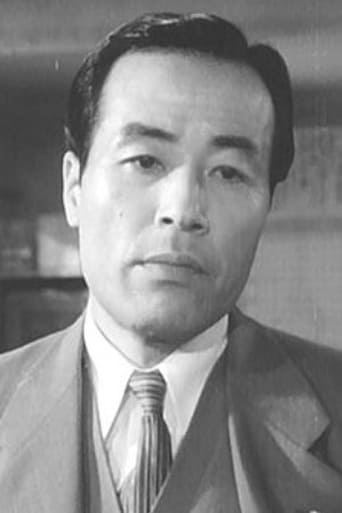
Eitarō Ozawa
Born March 27, 1909 · Tokyo, Tokyo Prefecture, Japan
Died April 23, 1988 · aged 79
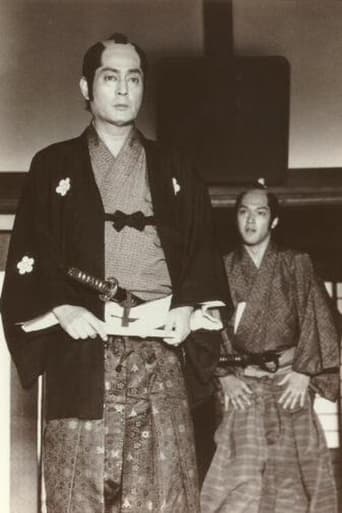
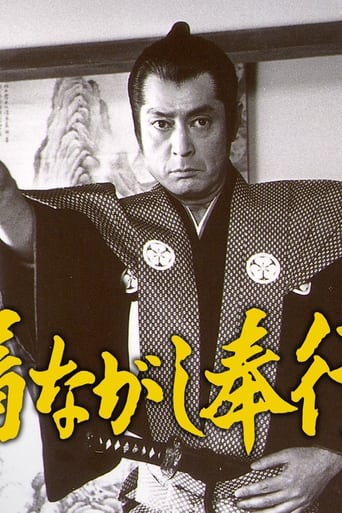
Eitaro Ozawa (小沢 栄太郎, Ozawa Eitarō, 27 March 1909 – 23 April 1988) was a Japanese actor. He appeared in more than 200 films between 1935 and 1988.
Known For
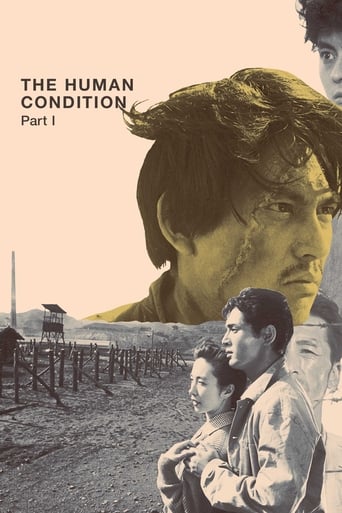 The Human Condition I: No Greater Love · 1959
The Human Condition I: No Greater Love
★ 8.21959
MovieWarDrama
After handing in a report on the treatment of Chinese colonial labor, Kaji is offered the post of labour chief at a large mining operation in Manchuria, which also grants him exemption from military service. He accepts and moves with his newlywed wife Michiko, but when he tries to put his ideas of more humane treatment into practice, he finds himself at odds with scheming officials, cruel foremen, and the military police.
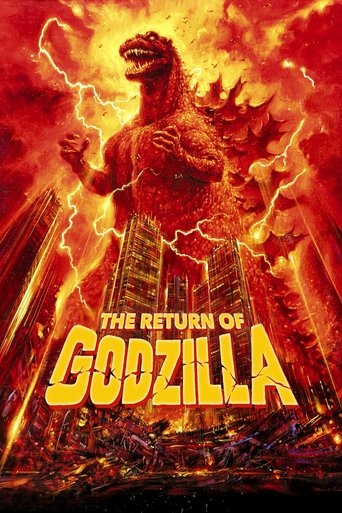 The Return of Godzilla · 1984
The Return of Godzilla
★ 7.21984
MovieScience FictionAction
After a fishing boat is attacked, the sole surviving crew member realizes it is none other than a resurrected Godzilla. However, efforts to bring the story to light are suppressed by the Japanese government amid growing political tensions between the United States and the Soviet Union, who are both willing to bomb Japan to stop the monster.
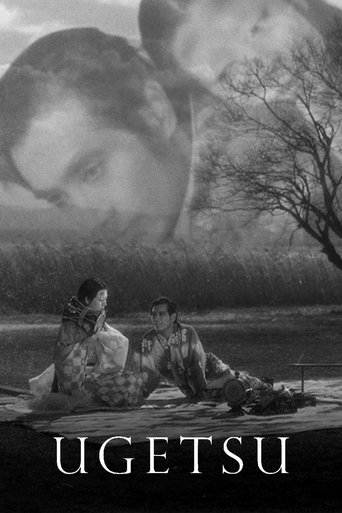 Ugetsu · 1953
Ugetsu
★ 8.01953
MovieFantasyDrama
In 16th century Japan, peasants Genjuro and Tobei sell their earthenware pots to a group of soldiers in a nearby village, in defiance of a local sage's warning against seeking to profit from warfare. Genjuro's pursuit of both riches and the mysterious Lady Wakasa, as well as Tobei's desire to become a samurai, run the risk of destroying both themselves and their wives, Miyagi and Ohama.
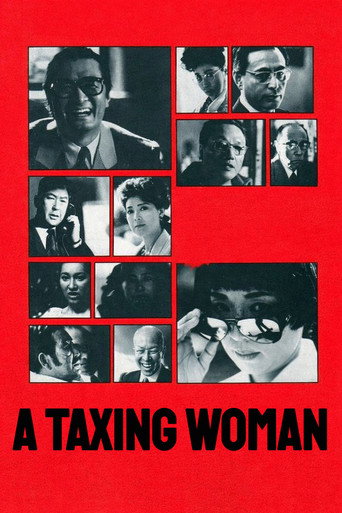 A Taxing Woman · 1987
A Taxing Woman
★ 6.71987
MovieComedyCrime
Intrepid tax investigator Ryoko Itakura sets her sights on the mysterious and philandering Hideki Gondo, a suspected millionaire and proprietor of a thriving chain of seedy hourly hotels, who has for years succeeded at hiding the true extent of his assets from the Japanese authorities. Itakura and Gondo soon find themselves engaged in a complicated, satirical battle of wits.
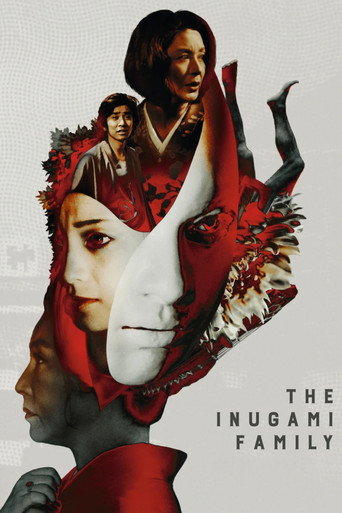 The Inugami Family · 1976
The Inugami Family
★ 6.81976
MovieHorrorMystery
When a tycoon passes away, he unexpectedly leaves the family fortune to outsider Tamayo on the condition that she marries one of the grandsons, pitting blood against blood.
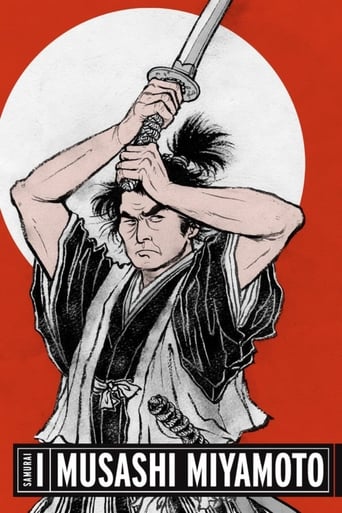 Samurai I: Musashi Miyamoto · 1954
Samurai I: Musashi Miyamoto
★ 7.21954
MovieDramaAction
Struggling to elevate himself from his low caste in 17th century Japan, Miyamoto trains to become a mighty samurai warrior.
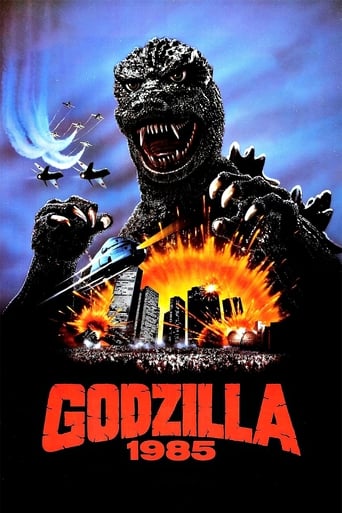 Godzilla 1985 · 1985
Godzilla 1985
★ 6.81985
MovieActionScience Fiction
Originally released in Japan as "The Return of Godzilla" in 1984, this is the heavily re-edited, re-titled "Godzilla 1985". Adding in new footage of Raymond Burr, this 16th Godzilla film ignores all previous sequels and serves as a direct follow-up to the 1956 "Godzilla King of the Monsters", which also featured scenes with Burr edited into 1954's "Godzilla". This film restores the darker tone of the original, as we witness the nuclear destruction of giant lizard terrorizing Japan.
 Goyokin · 1969
Goyokin
★ 7.51969
MovieDramaAction
A guilt-haunted samurai warrior attempts to stop a massacre taking place.