Acting
Virginia Bruce
Born September 29, 1910 · Minneapolis, Minnesota, USA
Died February 24, 1982 · aged 71
From Wikipedia, the free encyclopedia Virginia Bruce (September 29, 1910 – February 24, 1982) was an American actress and singer. Born Helen Virginia Briggs in Minneapolis, Minnesota. In 1928, she moved with her family to Los Angeles intending to enroll in the University of California, Los Angeles when a friendly wager sent her seeking film work. She got it as an extra in Why Bring That Up?. In …
Known For
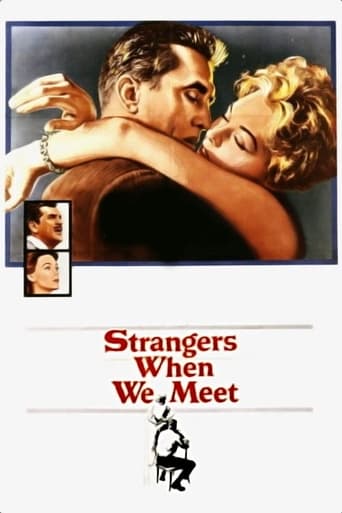 Strangers When We Meet · 1960
Strangers When We Meet
★ 6.41960
MovieRomanceDrama
A suburban architect loves his wife but is bored with his marriage and with his work, so he takes up with the neglected, married beauty who lives down the street.
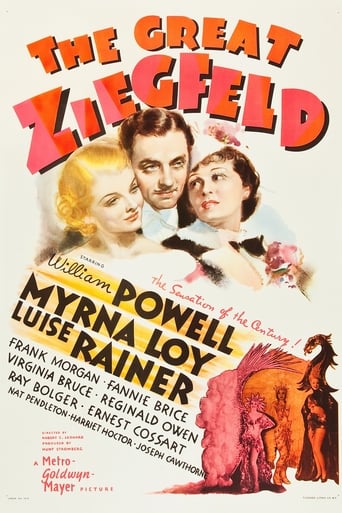 The Great Ziegfeld · 1936
The Great Ziegfeld
★ 6.31936
MovieMusicDrama
At the 1893 Chicago World's Fair, sideshow barker Florenz Ziegfeld turns the tables on his more-successful neighbor Billings, and also steals his girlfriend. This pattern repeats throughout their lives, as Ziegfeld makes and loses many fortunes putting on ever-bigger, more spectacular shows
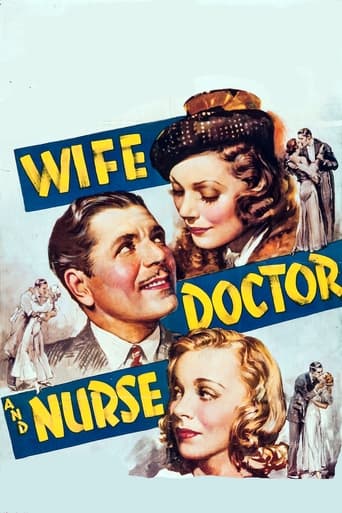 Wife, Doctor and Nurse · 1937
Wife, Doctor and Nurse
★ 7.01937
MovieComedyRomance
Social butterfly marries Park Avenue doctor and learns that his nurse is in love with him.
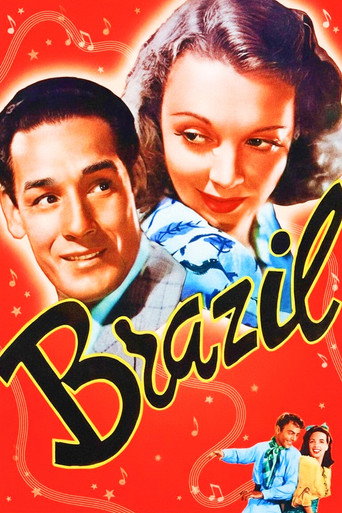 Brazil · 1944
Brazil
★ 5.21944
MovieComedyRomance
Brazil is perhaps the best of the handful of US films made by singing sensation Tito Guizar. In typical screwball-comedy fashion, the plot is set in motion by authoress Nicky Henderson, who has hit the best-seller charts with her latest tome, Why Marry a Latin? While researching her next book in Rio De Janeiro, she finds out "why" when she meets handsome songwriter Miguel Soares. Upon learning about Nicky's book, Miguel decides to teach her a few lessons in the affairs of the heart. Edward Everett Horton is also on hand, twittering his way through the role of a well-meaning buttinsky. Thanks to the "Good Neighbor" policy of the 1940s, South American musicals were a glut on the market, but Brazil was good enough on its own merits to pay its way at the box office.
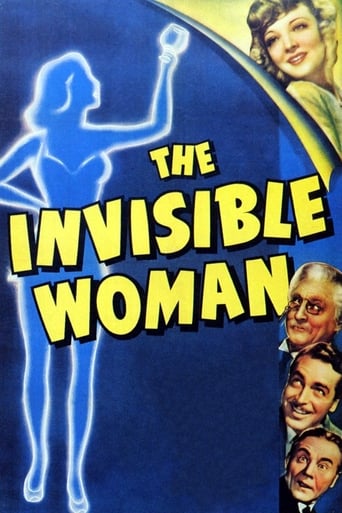 The Invisible Woman · 1940
The Invisible Woman
★ 5.71940
MovieComedyHorror
Kitty Carroll, an attractive store model, volunteers to become a test subject for a machine that will make her invisible so that she can use her invisibility to exact revenge on her ex-boss.
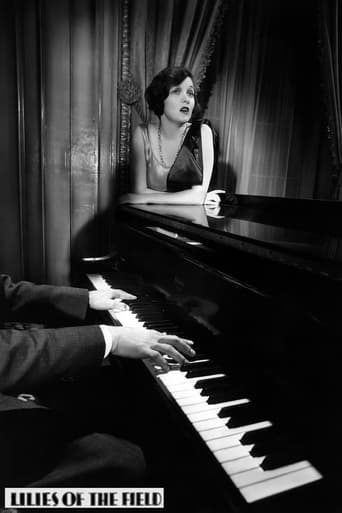 Lilies of the Field · 1930
Lilies of the Field
★ 4.21930
MovieDramaRomance
Mildred Harker loses custody of her child in a messy divorce settlement. Leaving her hometown in disgrace, Mildred heads to New York, where after a crash course in the school of hard knocks she joins the chorus of a Ziegfeld-like musical revue. Now a full-fledged gold-digger, she enjoys the favors of backstage johnnies and elderly sugar daddies, but finally finds true love in the form of Park Avenue socialite Ted Willing.
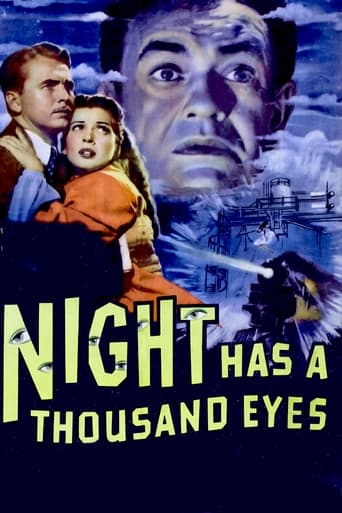 Night Has a Thousand Eyes · 1948
Night Has a Thousand Eyes
★ 6.81948
MovieThrillerMystery
When heiress Jean Courtland attempts suicide, her fiancée Elliott Carson probes her relationship with John Triton. In flashback, we see how stage mentalist Triton starts having terrifying flashes of true precognition. Now years later, he desperately tries to prevent tragedies in the Courtland family.
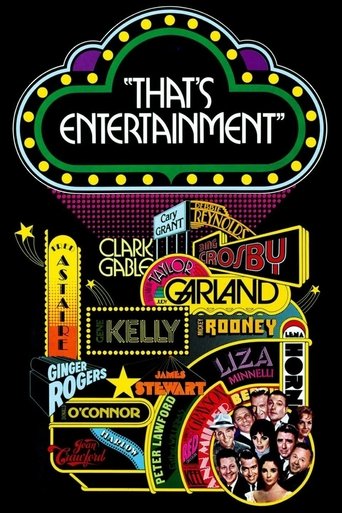 That's Entertainment! · 1974
That's Entertainment!
★ 7.41974
MovieDocumentaryFamily
Various MGM stars from yesterday present their favorite musical moments from the studio's 50 year history.
Filmography
Sort
That's Entertainment! · 1974That's Entertainment!
★ 7.41974
MovieDocumentaryFamily
Various MGM stars from yesterday present their favorite musical moments from the studio's 50 year history.
(archive footage) (uncredited)