Acting
Isobel Elsom
Born March 15, 1893 · Cambridge, Cambridgeshire, England, UK
Died January 12, 1981 · aged 87
Isobel Elsom (March 16, 1893 — January 12, 1981) was an English screen, stage, and television actress.
Known For
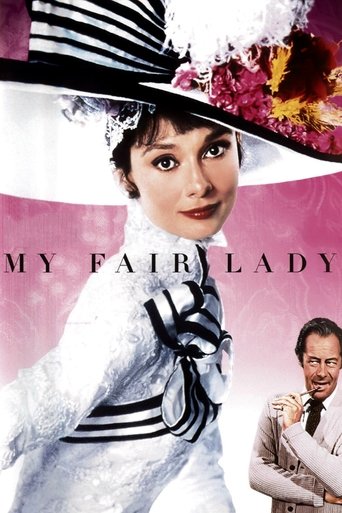 My Fair Lady · 1964
My Fair Lady
★ 7.51964
MovieComedyMusic
A snobbish phonetics professor agrees to a wager that he can take a flower girl and make her presentable in high society.
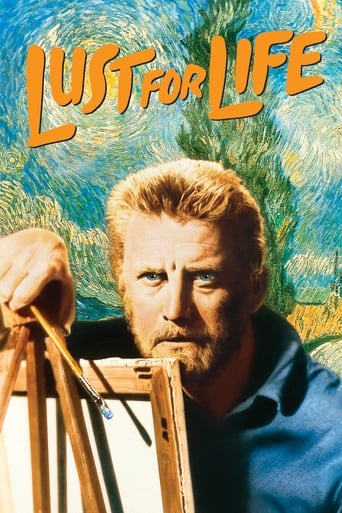 Lust for Life · 1956
Lust for Life
★ 7.21956
MovieDramaHistory
An intense and imaginative artist, revered Dutch painter Vincent van Gogh possesses undeniable talent, but he is plagued by mental problems and frustrations with failure. Supported by his brother, Theo, the tormented Van Gogh eventually leaves Holland for France, where he meets volatile fellow painter Paul Gauguin and struggles to find greater inspiration.
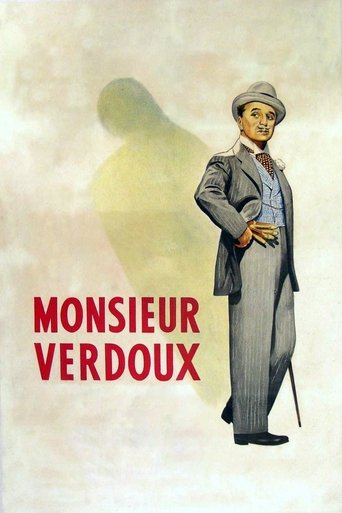 Monsieur Verdoux · 1947
Monsieur Verdoux
★ 7.71947
MovieComedyCrime
The film is about an unemployed banker, Henri Verdoux, and his sociopathic methods of attaining income. While being both loyal and competent in his work, Verdoux has been laid-off. To make money for his wife and child, he marries wealthy widows and then murders them. His crime spree eventually works against him when two particular widows break his normal routine.
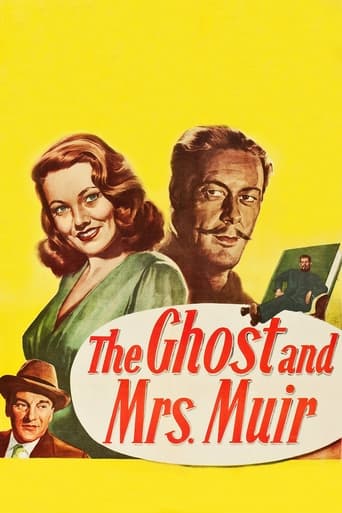 The Ghost and Mrs. Muir · 1947
The Ghost and Mrs. Muir
★ 7.51947
MovieRomanceFantasy
In 1900, young widow Lucy Muir learns that her seaside cottage is haunted and forms a unique relationship with the ghost.
 Désirée · 1954
Désirée
★ 6.51954
MovieDramaRomance
In Marseilles, France in 1794, Desiree Clary, a young millinery clerk, becomes infatuated with Napoleon Bonaparte, but winds up wedding General Jean-Baptiste Berandotte, an aid to Napoleon who later joins the forces that bring about the Emperor's downfall. Josephine Beauharnais, a worldly courtesan marries Napoleon and becomes Empress of France, but is then cast aside by her spouse when she proves unable to produce an heir to the throne.
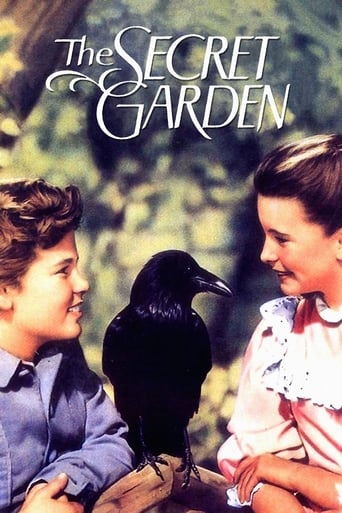 The Secret Garden · 1949
The Secret Garden
★ 7.11949
MovieFamilyDrama
When Cholera takes the parents of Mary Lennox, she is shipped from India to England to live with her Uncle Craven. Mary changes the lives of those she encounters at her Uncle's remote estate.
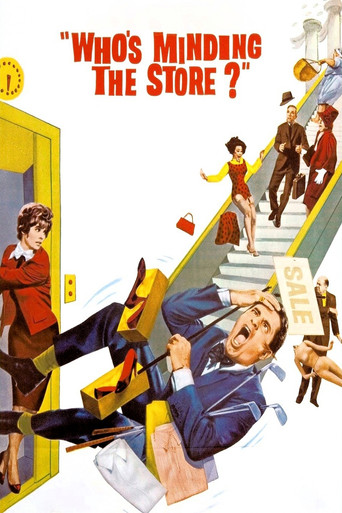 Who's Minding the Store? · 1963
Who's Minding the Store?
★ 6.81963
MovieComedy
Norman Phiffer, a proud man in a humble life, doesn't know that his girlfriend, Barbara, is heir to the Tuttle Department Store dynasty. Mrs. Tuttle, Barbara's mother, is determined to split the two lovers, and hires Norman in an attempt to humiliate him enough that Barbara leaves him. Will she ruin their love, or will he ruin her store?
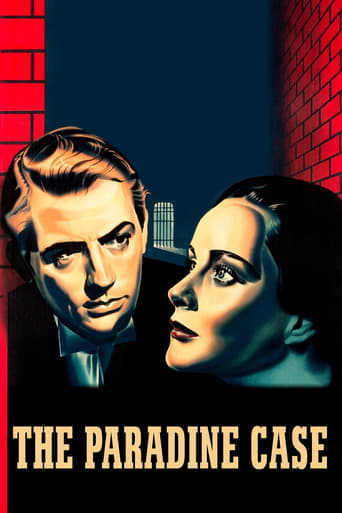 The Paradine Case · 1947
The Paradine Case
★ 6.31947
MovieDramaMystery
In London, barrister Anthony Keane takes the case of Maddalena Paradine, a beautiful woman accused of poisoning her blind husband. Though happily married, Keane becomes infatuated with his enigmatic client and convinced of her innocence. His obsession clouds his judgment as he builds a defense implicating her servant, André Latour—an act that leads to devastating consequences both in court and at home.