Directing
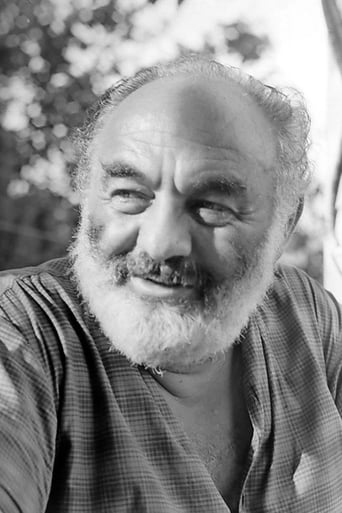
Sergei Parajanov
Born January 9, 1924 · Tiflis, Georgian SSR, Transcaucasian SFSR, USSR [now Republic of Georgia]
Died June 21, 1990 · aged 66
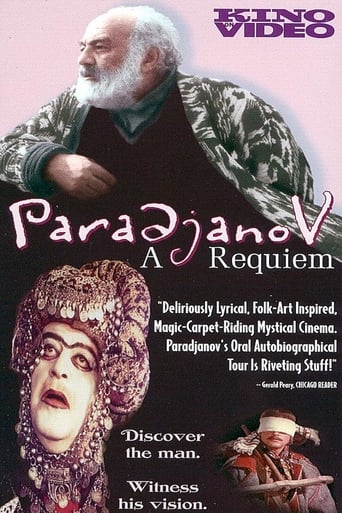
Sergei Parajanov (Armenian: Սերգեյ Փարաջանով; Russian: Серге́й Ио́сифович Параджа́нов; Georgian: სერგო ფარაჯანოვი; Ukrainian: Сергій Йо́сипович Параджа́нов; sometimes spelled Paradzhanov or Paradjanov; January 9, 1924 – July 20, 1990) was a Soviet film director and artist of Armenian descent who made significant contributions to Soviet cinematography through Ukrainian, Georgian, and Armenian cine…
Known For
 The Color of Pomegranates · 1969
The Color of Pomegranates
★ 7.41969
MovieDramaHistory
The life of the revered 18th-century Armenian poet and musician Sayat-Nova. Portraying events in the life of the artist from childhood up to his death, the movie addresses in particular his relationships with women, including his muse. The production tells Sayat-Nova's dramatic story by using both his poems and largely still camerawork, creating a work hailed as revolutionary by Mikhail Vartanov.
 Shadows of Forgotten Ancestors · 1965
Shadows of Forgotten Ancestors
★ 7.51965
MovieDramaRomance
In the Carpathian Mountains of 19th-century Ukraine, love, hate, life and death among the Hutsul people are as they’ve been since time began. Ivan is drawn to Marichka, the beautiful young daughter of the man who killed his father. But fate tragically decrees that the two lovers will remain apart.
 Sergei Parajanov: The Rebel · 2003
Sergei Parajanov: The Rebel
★ 5.02003
MovieDocumentary
This documentary is not a straightforward portrait of Armenian film director Sergei Paradjanov's life, but rather a fluid celebration of his talent and creativity. Focusing on the collages he produced during his years in prison, and featuring interviews with the director himself, Cazals' film demonstrates the scope of Paradjanov's artistic vision, lovingly commemorating this rebel of art cinema.
 Cinématon · 1978
Cinématon
★ 4.91978
MovieDocumentary
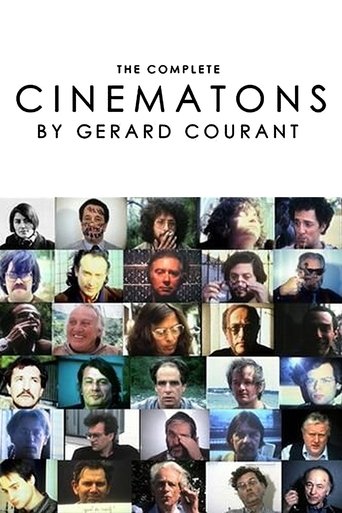
Cinématon is a 156-hour long experimental film by French director Gérard Courant. It was the longest film ever released until 2011. Composed over 36 years from 1978 until 2006, it consists of a series of over 2,821 silent vignettes (cinématons), each 3 minutes and 25 seconds long, of various celebrities, artists, journalists and friends of the director, each doing whatever they want for the allotted time. Subjects of the film include directors Barbet Schroeder, Nagisa Oshima, Volker Schlöndorff, Ken Loach, Benjamin Cuq, Youssef Chahine, Wim Wenders, Joseph Losey, Jean-Luc Godard, Samuel Fuller and Terry Gilliam, chess grandmaster Joël Lautier, and actors Roberto Benigni, Stéphane Audran, Julie Delpy and Lesley Chatterley. Gilliam is featured eating a 100-franc note, while Fuller smokes a cigar. Courant's favourite subject was a 7-month-old baby. The film was screened in its then-entirety in Avignon in November 2009 and was screened in Redondo Beach, CA on April 9, 2010.
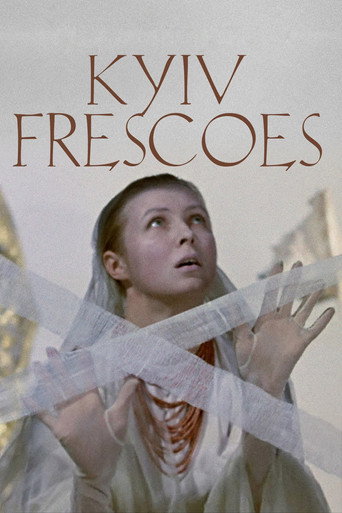 Kyiv Frescoes · 1966
Kyiv Frescoes
★ 5.21966
MovieDrama
Parajanov's collage of all the footage that remained from his film "Kyiv Frescoes," which was halted by the Soviet authorities who demanded that all the negatives be destroyed.
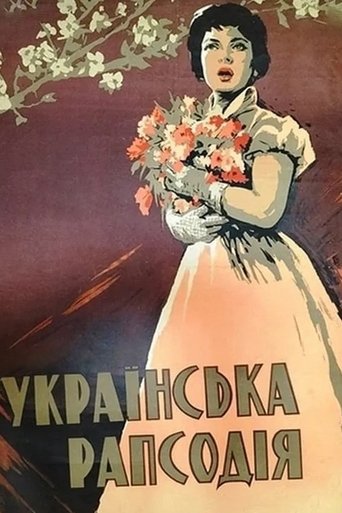 Ukrainian Rhapsody · 1961
Ukrainian Rhapsody
★ 5.91961
MovieDramaRomance
World War II separates lovers Oksana and Anton. The young man is taken prisoner by the Germans, while his beloved abandons her studies at the conservatory to become a frontline nurse. Despite all the hardships, their paths cross again.
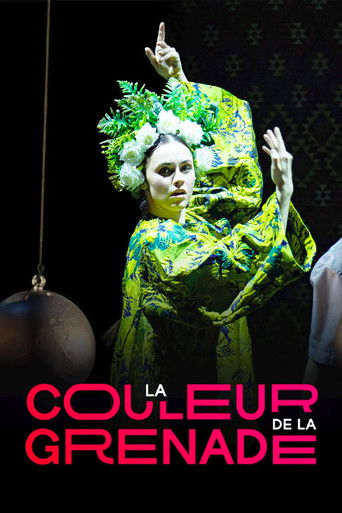 La Couleur de la grenade · 2026
La Couleur de la grenade
★ 6.02026
Movie
This show is a vibrant tribute to the cult filmmaker Sergei Parajanov. Blending hip-hop, contemporary dance and Armenian traditions, the stage becomes a veritable living tableau where electronic music and traditional instruments, theatre and cinema intertwine to bring to life the baroque and poetic world of the film Sayat-Nova (The Colour of Pomegranates).
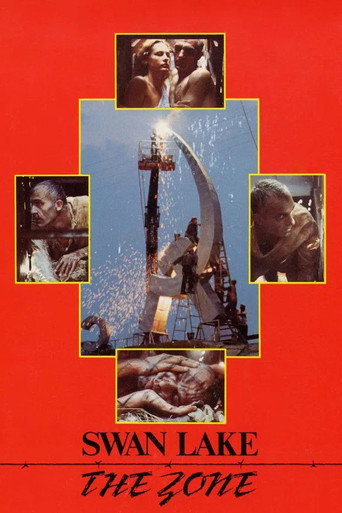 Swan Lake: The Zone · 1990
Swan Lake: The Zone
★ 6.21990
MovieDrama
A convict is forced to hide within a model of a hammer and sickle. Here a tragic romance ensues between the convict and woman worker; which is spoilt by the woman's jealous young son. The convict is then forced to undergo a tragic bid for freedom which ends with the beauty of swans contrasted with the imprisoned convicts and the hopeful but ultimately tragic wait by the woman for her lover.
Filmography
Sort