Acting
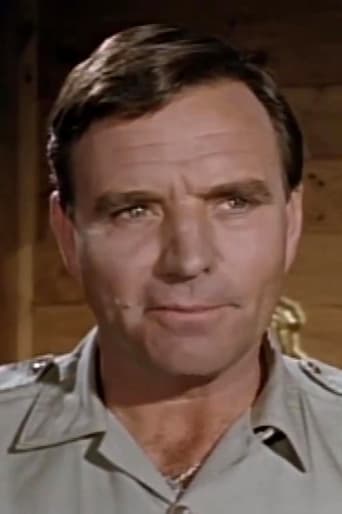
Ed Devereaux
Born August 27, 1925 · Sydney, New South Wales, Australia
Died December 17, 2003 · aged 78
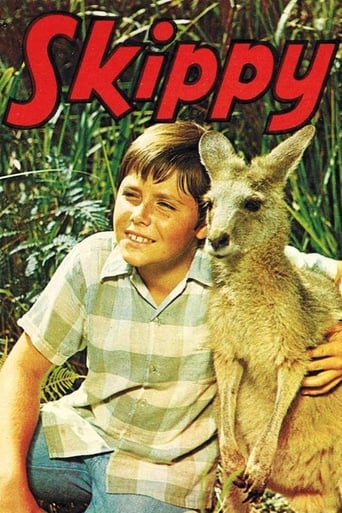
Ed Devereaux (27 August 1925 – 17 December 2003) was an Australian actor, who lived in the UK for many years. He was best known for playing the part of "Matt Hammond" in the Australian children's television series Skippy. He was also involved in the series behind the scenes; Devereaux both wrote the script and directed The Veteran (1969), for which he received much critical acclaim. Devereaux base…
Known For
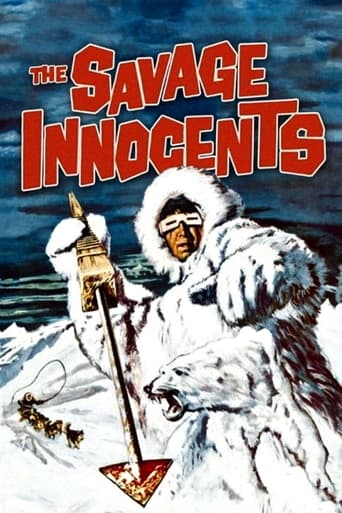 The Savage Innocents · 1960
The Savage Innocents
★ 6.91960
MovieDramaAdventure
An Eskimo who has had little contact with white men goes to a trading post where he accidentally kills a missionary and finds himself being pursued by the police.
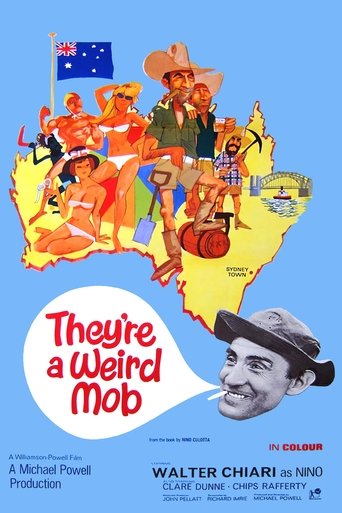 They're a Weird Mob · 1966
They're a Weird Mob
★ 6.01966
MovieComedy
An Italian sports journalist arrives in Australia but finds no work. The only employment he can find is as a builder's labourer. At first, he cannot comprehend the culture, but eventually he finds mateship and romance.
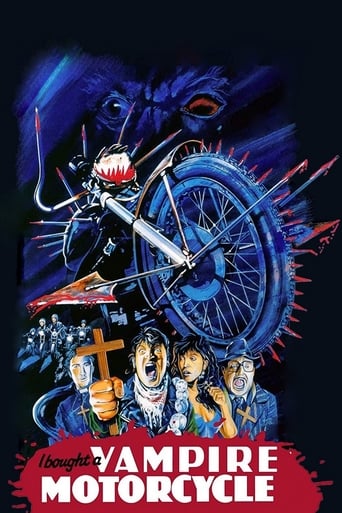 I Bought a Vampire Motorcycle · 1990
I Bought a Vampire Motorcycle
★ 5.31990
MovieComedyHorror
When a motorbike gang kills an occultist, the evil spirit he was summoning inhabits a damaged bike. The bike is then bought and restored, but reveals its true nature when it tries to exact vengance on the gang, and anyone else who gets in its way.
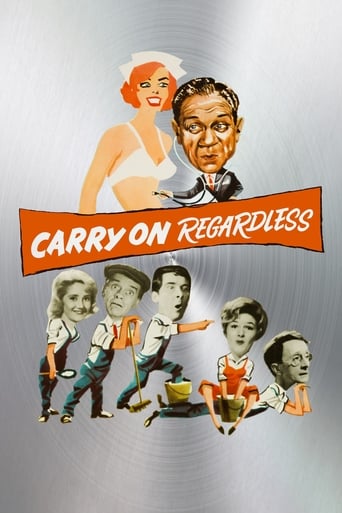
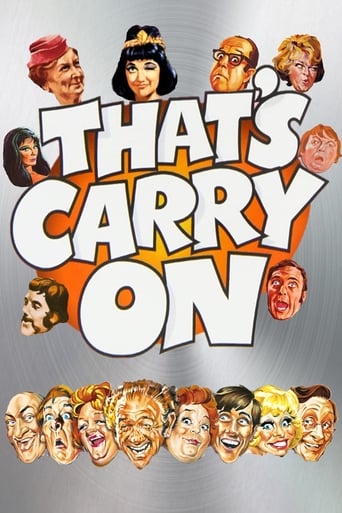 That's Carry On! · 1977
That's Carry On!
★ 5.81977
MovieComedy
Celebrating twenty years of classic Carry On films, two of the films’ best-loved stars, Kenneth Williams and Barbara Windsor return to Pinewood film studios to unwrap some rib-tickling moments from the series. From the original, military mayhem of Carry On Sergeant, through to the really ancient archaeological gags of Carry On Behind, our saucy hosts get their titters out for this laugh-a-second gallop through the most successful series of British comedy films ever made.
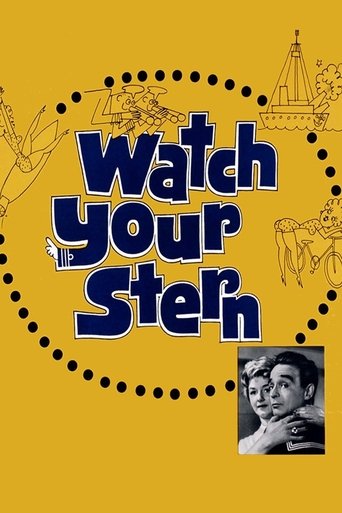 Watch Your Stern · 1960
Watch Your Stern
★ 5.91960
MovieComedy
When the details of a secret torpedo are destroyed by an incompetent seaman, the crew of the ship rally round, when the Admiral needs the plans to show to a visiting scientist.
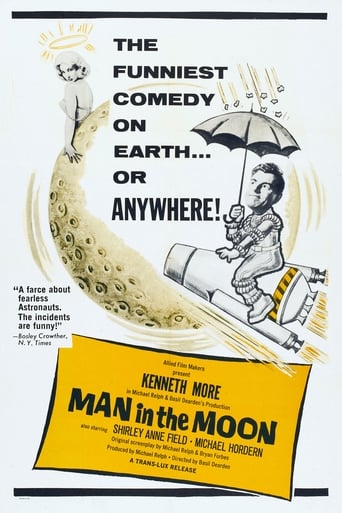 Man in the Moon · 1960
Man in the Moon
★ 6.71960
MovieComedyRomance
William is an unsuccessful guinea pig for a medical group interested in researching the common cold. He is soon fired and offered a job by the nearby National Atomic Research Center where they figure anyone who could fail at being a guinea pig is just what they need. They con William into thinking he will continue his guinea pig career by testing out some equipment for them before they send a group of astronauts to the moon.
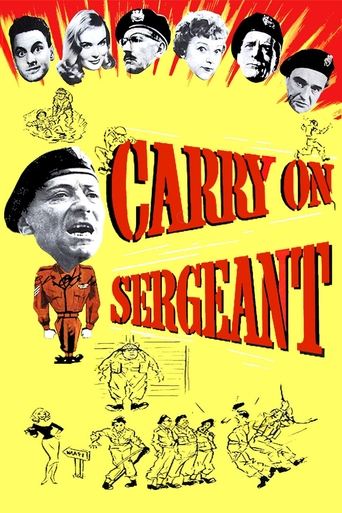 Carry On Sergeant · 1958
Carry On Sergeant
★ 6.41958
MovieComedyWar
Sergeant Grimshawe wants to retire in the flush of success by winning the Star Squad prize with his very last platoon of newly called-up National Servicemen. But a motley bunch they turn out to be, and it's up to Grimshawe to put the no-hopers through their paces.
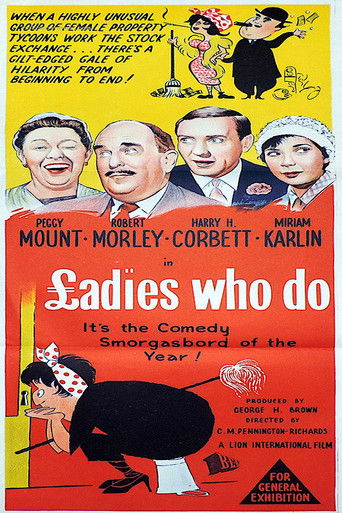 Ladies Who Do · 1963
Ladies Who Do
★ 7.01963
MovieComedy
The "Ladies Who Do" are office cleaners. One of them discovers some hot stock tips and they make a fortune. They then make good use of it to save their old neighbourhoods from the wicked developer.
Filmography
Sort
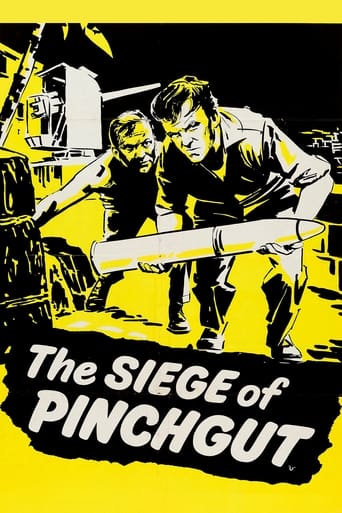 The Siege of Pinchgut · 1959
The Siege of Pinchgut
★ 6.31959
MovieActionCrime
An escaped prisoner is trying to clear his name.
TV Newsreader (Uncredited)


 Goldeneye · 1989
Goldeneye
★ 5.91989
MovieTV MovieDrama
British writer Ian Fleming's life and loves suggest that of his spy-novel hero, secret agent James Bond.
Sir William Stephenson