Herval Rossano

Directing

Herval Rossano

Born April 23, 1933 · Campos dos Goytacazes, Rio de Janeiro, Brazil

Died May 8, 2007 · aged 74

No biography available.

Known For
Filmography

Sort
Ciranda de PedraCiranda de Pedra · 1981
Ciranda de Pedra
★ 9.01981
SeriesSoapDrama
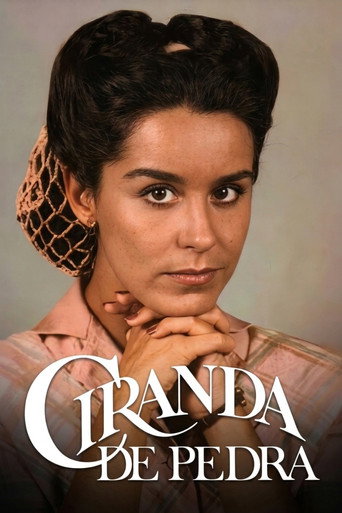
Set in 1940s São Paulo, the story follows Laura, a modern woman devoted to the arts who is oppressed by her husband, Natércio Prado—a wealthy man with traditional views. Amidst marital turmoil, Laura suffers a severe trauma and is even committed to an asylum by her husband. The couple separates, and the family is torn apart: Laura keeps her youngest daughter, Virgínia, while Natércio retains custody of the other daughters, Otávia and Bruna. Frail and penniless, Laura moves into the Vila Mariana home of her neurologist, Daniel. He is in love with his patient and believes her condition is physical rather than mental. Laura hides the fact that Virgínia is actually Daniel's daughter. The youngest daughter eventually returns to live with her father, where she faces hostility and harshness from the housekeeper, Frau Herta.

Director

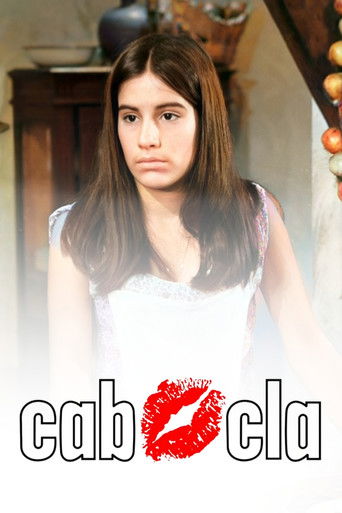
CaboclaCabocla · 1979
Cabocla
★ 9.01979
SeriesDrama
The soap opera critiques the power struggles among rural politicians in the 1920s. Joaquim is shocked when a doctor reveals that his son, Luís Jerônimo, has a lung lesion. To recover his health, the young man leaves Rio de Janeiro for Colonel Boanerges's farm in Vila da Mata, Espírito Santo. There, he meets Zuca, and the two fall in love. Zuca is the colonel's goddaughter and the fiancée of the fearless cowboy Tobias, who refuses to accept the possibility of losing her to the outsider. Zuca and Luís Jerônimo face numerous obstacles in pursuing their love. Their romance is also threatened by the arrival of Pepa in Vila da Mata; having been in love with Luís Jerônimo back when he lived in Rio, she tries by every means possible to drive the couple apart.

Director

SaloméSalomé · 1991
Salomé
★ 7.01991
SeriesDramaSoap
The central character of the story is Salomé, a woman ahead of her time. Bold and rebellious, the young woman scandalizes Parisian society by performing a veiled dance in which she is semi-nude. The news reaches Brazil, and her mother, Santa, and her stepfather, Antunes, worried about the girl's reputation, decide that she must leave Paris. Antunes travels to fetch Salomé, and she only agrees to return to her country of origin if her inseparable friends, Berta and Ruggero, go with her. Antunes agrees, and they all leave together. In Brazil, Salomé goes to live on the Pindorama farm in São Paulo, where her mother awaits her. There she meets Duda, with whom she falls in love. Duda owned the Pindorama farm, but his father, Colonel Venâncio, in debt, was forced to sell the property to Antunes. The pain of losing the farm led Venâncio to commit suicide. Some time later, Duda, unemployed, returned to the farm and began a secret romance with Santa.

Director

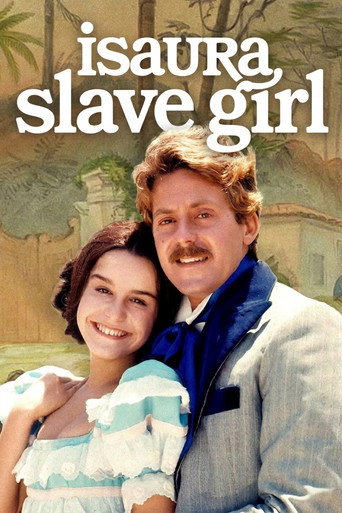
Isaura: Slave GirlIsaura: Slave Girl · 1976
Isaura: Slave Girl
★ 6.01976
SeriesSoapDrama
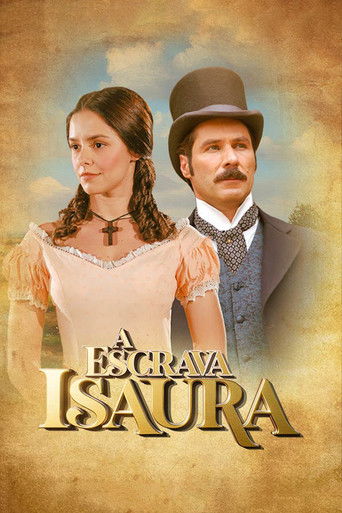
Set in 19th-century Brazil during the waning years of slavery, Escrava Isaura tells the story of Isaura, a white-skinned enslaved woman raised with the manners and education of a noble lady. Though treated with affection by her mistress, Isaura remains legally enslaved and becomes the object of obsessive desire by Leôncio Almeida, the cruel heir to the plantation. After the death of her protector, Isaura falls under Leôncio’s control. Despite his attempts to seduce and dominate her, she resists, determined to preserve her dignity and freedom. Her father, Miguel, helps her escape to Recife, where she adopts a new identity and meets Álvaro, a wealthy and principled abolitionist who falls in love with her. Leôncio eventually tracks her down, leading to dramatic confrontations. In the end, Álvaro rescues Isaura by purchasing Leôncio’s debts, securing her freedom and affirming the story’s central themes of justice, love, and resistance against oppression.

Director