Acting
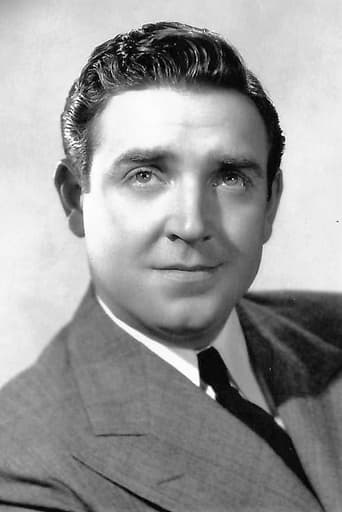
Robert Paige
Born December 2, 1911 · Indianapolis, Indiana, USA
Died December 21, 1987 · aged 76
Robert Paige (born John Arthur Page December 2, 1911 in Indianapolis, Indiana, died Dec 21,1987) was a TV star and Universal Pictures leading man who made 65 films in his lifetime and was the only actor ever allowed to sing on film with Deanna Durbin (in 1944's Can't Help Singing). He was a graduate of West Point and was related to Admiral David Beatty, hero of the World War I Battle of Jutland. …
Known For
 Bye Bye Birdie · 1963
Bye Bye Birdie
★ 5.91963
MovieComedyMusic
A singer goes to a small town for a performance before he is drafted.
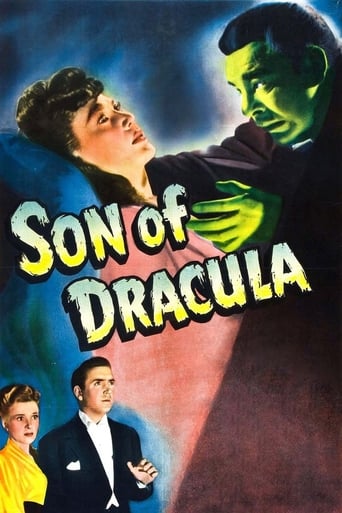 Son of Dracula · 1943
Son of Dracula
★ 5.81943
MovieHorror
Carpathian Count Alucard is invited to the U.S. by a young heiress. Her boyfriend and local officials are suspicious of the newcomer, who is interested in the "virile" soil of the new world.
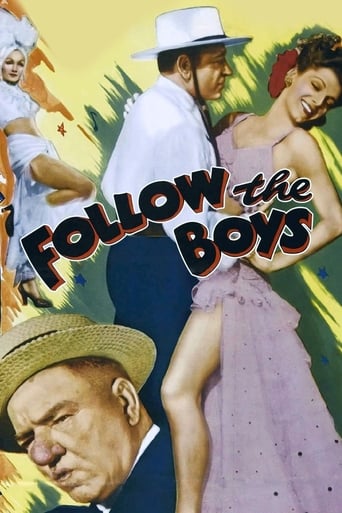 Follow the Boys · 1944
Follow the Boys
★ 5.71944
MovieMusicComedy
During World War II, all the studios put out "all-star" vehicles which featured virtually every star on the lot--often playing themselves--in musical numbers and comedy skits, and were meant as morale-boosters to both the troops overseas and the civilians at home. This was Universal Pictures' effort. It features everyone from Donald O'Connor to the Andrews Sisters to Orson Welles to W.C. Fields to George Raft to Marlene Dietrich, and dozens of other Universal players.
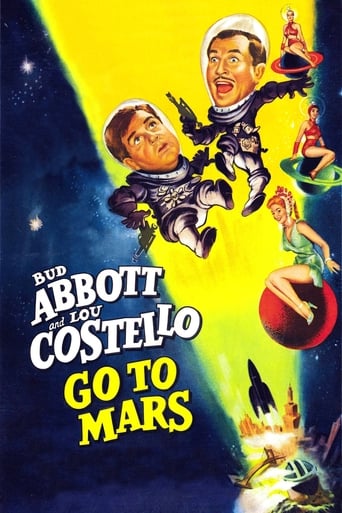 Abbott and Costello Go to Mars · 1953
Abbott and Costello Go to Mars
★ 5.51953
MovieComedyScience Fiction
Lester and Orville accidentally launch a rocket which is supposed to fly to Mars. Instead it goes to New Orleans for Mardi Gras. They are then forced by bank robber Mugsy and his pal Harry to fly to Venus where they find a civilization made up entirely of women, men having been banished.
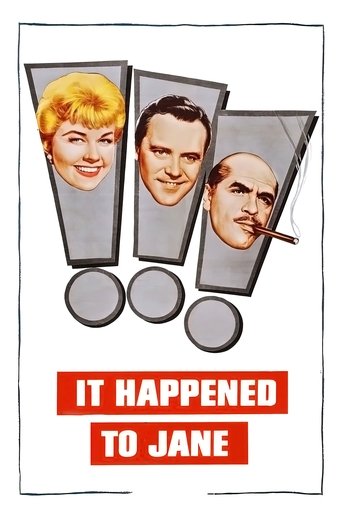 It Happened to Jane · 1959
It Happened to Jane
★ 6.21959
MovieComedyRomance
Jane Osgood runs a lobster business, which supports her two young children. Railroad staff inattention ruins her shipment, so with her lawyer George, Jane sues Harry Foster Malone, director of the line and the "meanest man in the world".
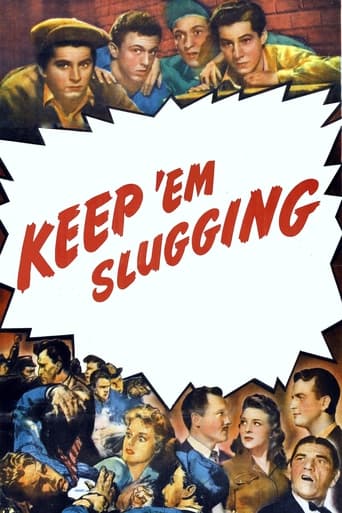 Keep 'Em Slugging · 1943
Keep 'Em Slugging
★ 5.81943
MovieActionAdventure
A gang of tough street kids decide to go straight and get jobs in order to free draft-age men for the war effort. However, because of their past tangles with the law, they can't find anybody who'll hire them. Finally one of them gets a job at the department store where his sister works, but runs afoul of a store executive who is in league with a ring of hijackers.
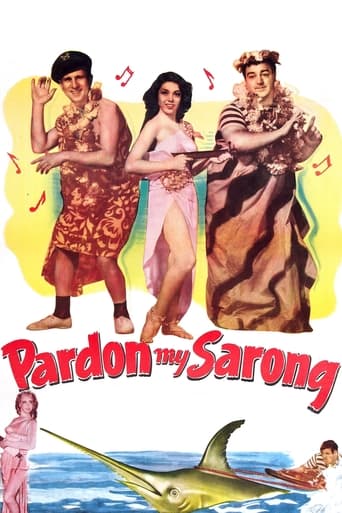 Pardon My Sarong · 1942
Pardon My Sarong
★ 6.51942
MovieComedy
A pair of bus drivers accidentally steal their own bus. With the company issuing a warrant for their arrest, they tag along with a playboy on a boat trip that finds them on a tropical island, where a jewel thief has sinister plans for them.
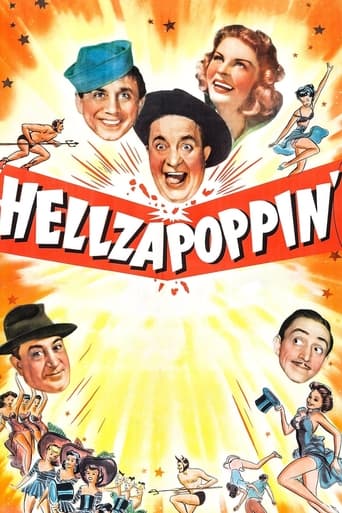 Hellzapoppin' · 1941
Hellzapoppin'
★ 7.21941
MovieMusicComedy
Olsen and Johnson, a pair of stage comedians, try to turn their play into a movie and bring together a young couple in love, while breaking the fourth wall every step of the way.
Filmography
Sort
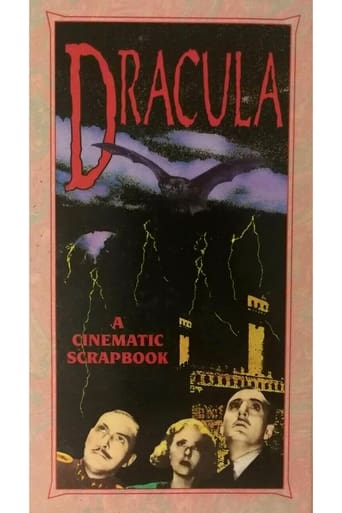 Dracula: A Cinematic Scrapbook · 1991
Dracula: A Cinematic Scrapbook
★ 9.51991
MovieDocumentaryHorror
A history of the famous vampire of books and movies, using film clips, previews and other methods.
Frank Stanley (archive footage)
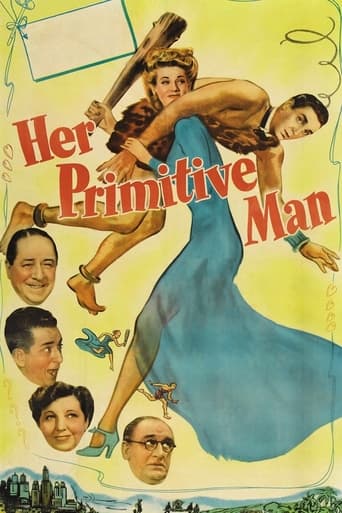 Her Primitive Man · 1944
Her Primitive Man
★ 7.51944
MovieComedy
An anthropologist unwittingly takes a man disguised as a "primitive man" back to New York as a specimen.
Peter Mathews / Pangi