P
Directing
Paul Leduc
Born March 11, 1942 · Mexico City, Mexico
Died October 21, 2020 · aged 78
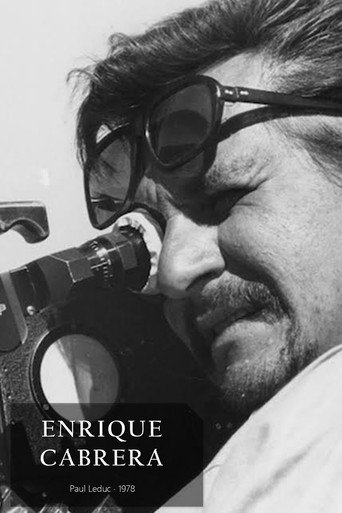
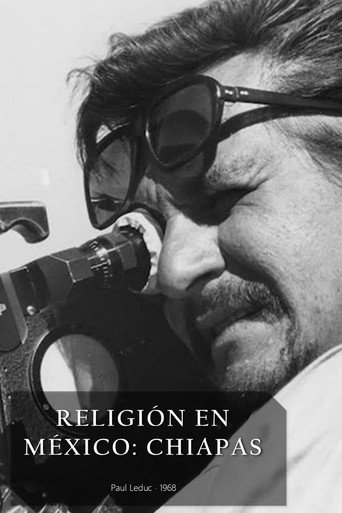
Paul Leduc Rosenzweig (March 11, 1942 – October 21, 2020) was a Mexican film director. One of Leduc's most acclaimed works is Frida, naturaleza viva (1983 – marketed as Frida in the U.S.), a tribute to the indomitable spirit and determination of the painter Frida Kahlo.
Known For
 The Sea · 1975
The Sea
★ 9.01975
MovieDocumentary
Short film commissioned by CineDifusión SEP as part of the "Jornadas Casals" music program, centering on the Spanish cellist and, in this case, illustrating the music of Claude Debussy.
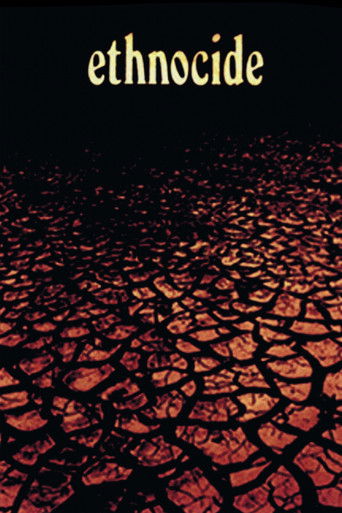 Ethnocide: Notes on El Mezquital · 1977
Ethnocide: Notes on El Mezquital
★ 6.21977
MovieDocumentary
Through the direct testimony of the Indians, the phenomenon of acculturation suffered by the Otomí minority of the Mezquital Valley, one of the poorest rural areas of the state of Hidalgo, in Mexico, is analyzed. It tries to show a broader problem that encompasses a large part of the Continent; how other peoples, other ethnic groups, are exterminated with all kinds of mechanisms, from brutal repression to the most sophisticated cultural penetration.
 Latino Bar · 1991
Latino Bar
★ 4.71991
MovieDramaRomance
A woman working in a caribean Cabaret meets a man in the harbour that just went out of jail. They recognise in each other common feelings of rage and fury and then they fall in love in a story without words.
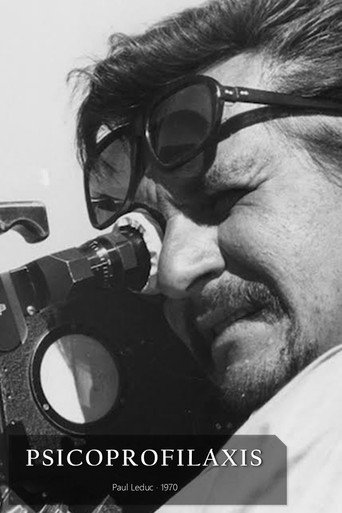 Psychoprophylaxis · 1970
Psychoprophylaxis
1970
MovieDocumentary
A short documentary that chronicles the journey from pregnancy to childbirth for two women, one from the middle class and the other from the lower class. The middle-class woman will undergo childbirth using psychoprophylaxis and will be assisted with exercises and training, while the low-income woman will receive care only in a public clinic.
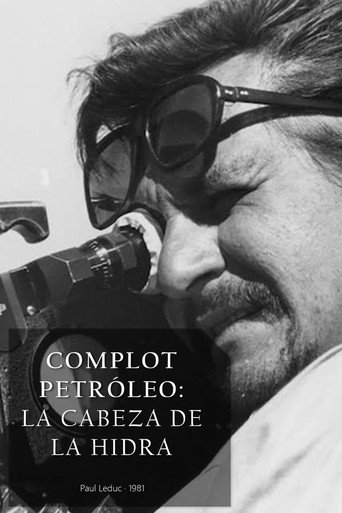 Complot Petróleo: La cabeza de la hidra · 1981
Complot Petróleo: La cabeza de la hidra
★ 5.71981
MovieDramaCrime
While Mexico swims in the oil veins that were deeded to him by the Devil, a bureaucrat is thrown into a whirlwind of intrigue and international espionage where he discovers that the guts of the beast in charge are one and the same, and the evacuation conduit itself. : We are the shit of that monster. At the same time, a man and a woman discover that behind their passion there is a dark reality that drives them to disguise as action what is only hunger, suffering, desire.
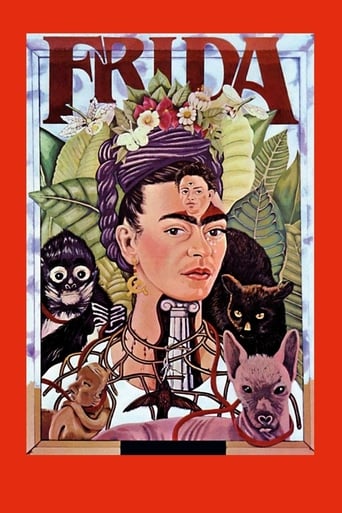 Frida Still Life · 1986
Frida Still Life
★ 5.51986
MovieDramaHistory
This film is a chronicle of painter Frida Kahlo, and her encounter with the personalities of her time. Despite being confied to a wheelchair as a result of polio, operations and amputations, she faces and traces some of the most colorful and controversial aspects of Mexican history, during the dominant time of Mexican muralism.
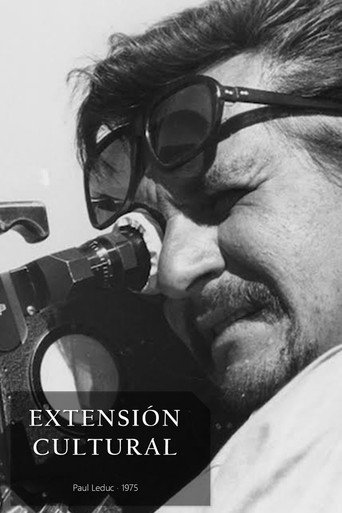 Cultural Extension · 1975
Cultural Extension
★ 10.01975
MovieDocumentary
Divulgatory short film commissioned by CineDifusión SEP.
 Mexico: The Frozen Revolution · 1973
Mexico: The Frozen Revolution
★ 6.61973
MovieDocumentary
A thorough analysis of the socio-politics of Mexico, within the historical context of the Mexican Revolution reality. Includes footage from the 1910s, interviews with farmers, politicians, intellectuals, middle class, union, etc, as well as scenes from the life of an Indian family in Chiapas, their religious rituals, their crops, trials and bilingual schools. The film ends with the slaughter in the Plaza de Tlatelolco in 1968, during the infamous Olympics.
Filmography
Sort