Pierre-André Boutang

Directing

Pierre-André Boutang

Born January 1, 1937 · Paris, Ile-de-France, France

Died August 20, 2008 · aged 71

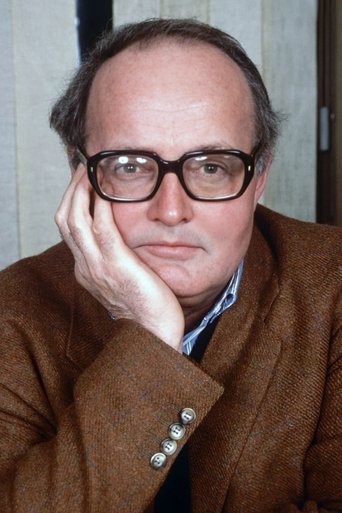
Pierre-André Boutang, born March 25, 1937, in Paris and died August 20, 2008, in Grosseto-Prugna, Corsica, was a French documentary filmmaker, producer, and director. He was one of the directors of the Franco-German channel Arte, after previously being one of the directors of La Sept. A major figure in French television, Pierre-André Boutang, producer, director, programmer, and interviewer, knew …

Known For
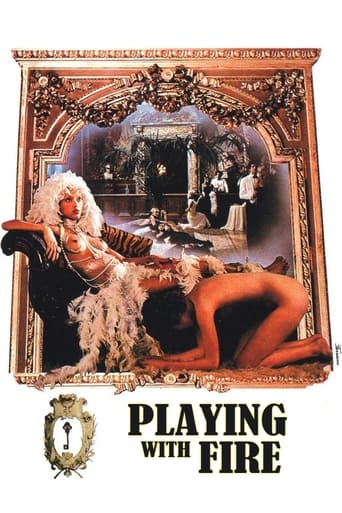
Playing with FirePlaying with Fire · 1975
Playing with Fire
★ 5.51975
MovieMysteryCrime
A banker hires a seedy detective to find his daughter and keep her safe from kidnappers.
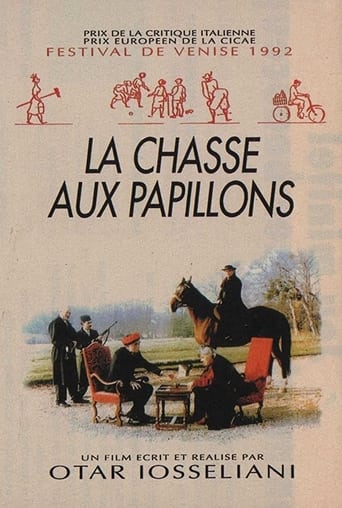
Chasing ButterfliesChasing Butterflies · 1992
Chasing Butterflies
★ 5.81992
MovieDrama
Two old ladies live in a French chateau. When one of them dies, her sister, who lives in Moscow, inherits the property, which soon ends up in the hands of Japanese businessmen.
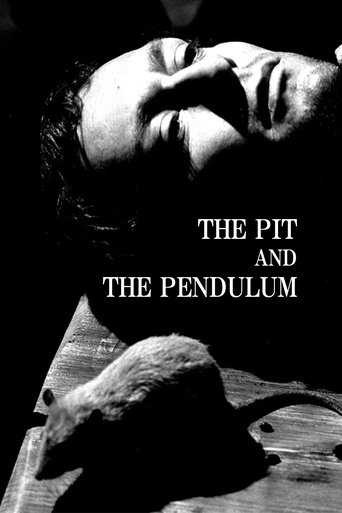
The Pit and the PendulumThe Pit and the Pendulum · 1964
The Pit and the Pendulum
★ 6.41964
MovieDramaHorror
A haunting short version of Edgar Allan Poe's famous story about a cruel and unusual punishment inflicted on a victim of the Spanish Inquisition...
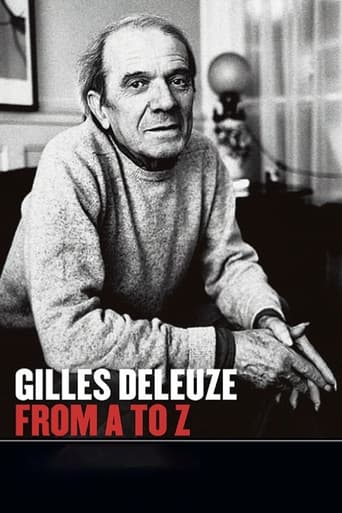
Gilles Deleuze from A to ZGilles Deleuze from A to Z · 1989
Gilles Deleuze from A to Z
★ 8.01989
MovieTV MovieDocumentary
The eight-hour series of interviews between Gilles Deleuze and Claire Parnet, filmed by Pierre-André Boutang in 1988-1989.
Ciné regards: Tess: Roman PolanskiCiné regards: Tess: Roman Polanski · 1979
Ciné regards: Tess: Roman Polanski
1979
MovieDocumentary
Television documentary about the making of Roman Polanski's 1979 film, Tess.
Claude Lévi-Strauss par lui-mêmeClaude Lévi-Strauss par lui-même · 2008
Claude Lévi-Strauss par lui-même
2008
Movie
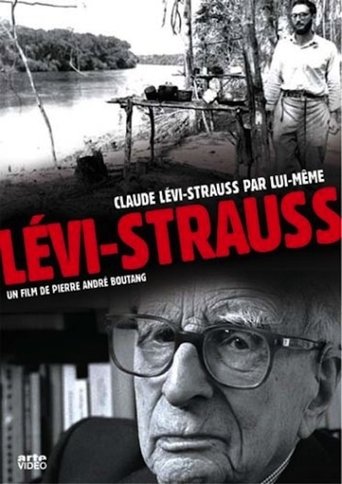
In what way can reflecting on worlds very far from our own, either in space or time, bear relevance for us today? Is there a scientific legacy - a before and after Lévi-Strauss - in anthropology? This documentary retraces the intellectual path of the author of "Tristes tropiques" ("A World on the Wane") and "La Pensée sauvage" ("The Savage Mind"), Claude Lévi-Strauss. The anthropologist and founder of structural anthropology in France is portrayed via numerous selected extracts of interviews he has given since the 1960s. The film is a fascinating introduction into the mind of a man who is interested in all men. Lévi-Strauss has great confidence (in spite of a pessimistic view of our contemporary world) in the creative capacities of the human mind.
13 Days in the Life of Pablo Picasso13 Days in the Life of Pablo Picasso · 1999
13 Days in the Life of Pablo Picasso
1999
MovieDocumentary
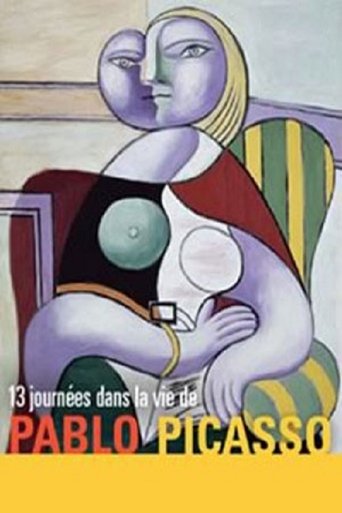
A French documentary charting the life of the Spanish artist Pablo Picasso through the events of 13 significant days of his life, including his marriage to Olga Kokhlova, the birth of his daughter, the bombing of Guernica and the death of Stalin. Archive footage of Picasso, his lover Françoise Gilot, writer Jean Cocteau, photographer Brassat and critic Pierre Daix is accompanied by new interviews with Picasso's daughter Maya and son Claude.
A Little Monastery in TuscanyA Little Monastery in Tuscany · 1988
A Little Monastery in Tuscany
★ 5.01988
MovieDocumentary
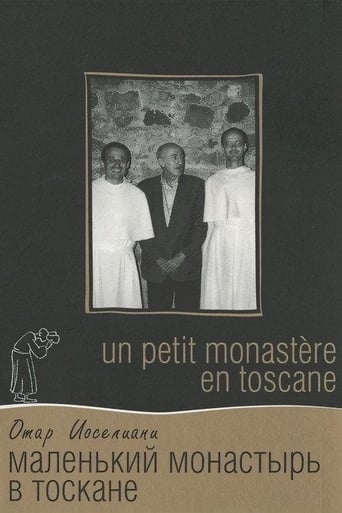
It is a brief documentary which records the life of five Augustinian monks in the little monastery of Castelnuovo dell'Abate, a Tuscan village, as well as the everyday life of people in the small town, from farmers to meat-hackers, from wine-makers to wild boar hunters.

Filmography

Sort
Claude Lévi-Strauss par lui-mêmeClaude Lévi-Strauss par lui-même · 2008
Claude Lévi-Strauss par lui-même
2008
Movie
In what way can reflecting on worlds very far from our own, either in space or time, bear relevance for us today? Is there a scientific legacy - a before and after Lévi-Strauss - in anthropology? This documentary retraces the intellectual path of the author of "Tristes tropiques" ("A World on the Wane") and "La Pensée sauvage" ("The Savage Mind"), Claude Lévi-Strauss. The anthropologist and founder of structural anthropology in France is portrayed via numerous selected extracts of interviews he has given since the 1960s. The film is a fascinating introduction into the mind of a man who is interested in all men. Lévi-Strauss has great confidence (in spite of a pessimistic view of our contemporary world) in the creative capacities of the human mind.

Director