Directing
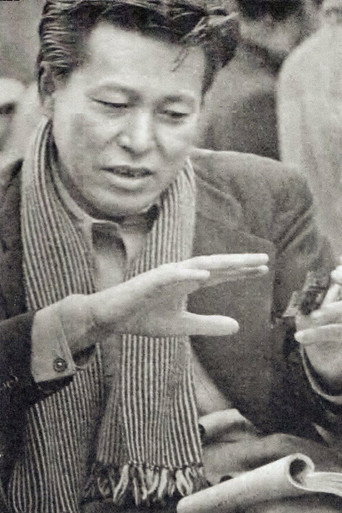
Tadashi Imai
Born January 8, 1912 · Tokyo, Tokyo, Japan
Died November 22, 1991 · aged 79
Tadashi Imai (今井 正 Imai Tadashi, January 8, 1912 - November 22, 1991) was a Japanese film director known for social realist filmmaking informed by a left-wing perspective. Description above from the Wikipedia article Tadashi Imai , licensed under CC-BY-SA, full list of contributors on Wikipedia
Known For
 War and Youth · 1991
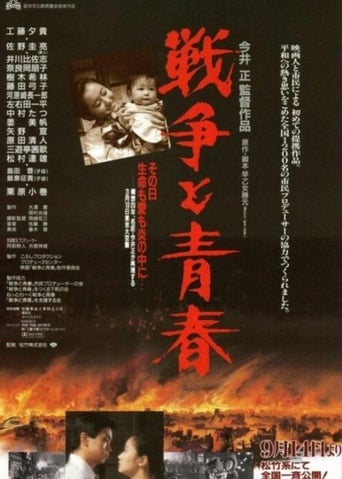
War and Youth
★ 6.81991
MovieDrama
An auto repairman's daughter questions him about what happened to her aunt during the war, but the father remains reticent. Finally the man opens up, and the girl is able to piece together her aunt's tragic story.
 Night Drum · 1958
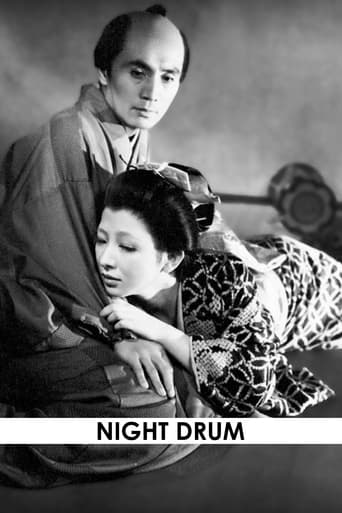
Night Drum
★ 5.91958
MovieDramaHistory
Following a yearlong attendance upon his shogun in Edo, samurai Hikokuro makes a long-awaited return to his home and doting wife, Dane. Initially greeted by the effusive welcome of his family, spiteful whispers also reach his ear about an adulterous affair carried on, in his long absence, between his wife and a famous drummer. With Hikokuro’s honor imperiled by rumor, his family insists on a formal investigation into the veracity of the gossip. Through the combined testimony of many witnesses, a tale unwinds around the visits of a traveling musician hired to tutor the family heir, the spurned attentions of the man who started the rumor, and the ultimate truth behind the accusations. The conclusion of events prove as much an indictment of bushidō as it is of the reluctant parties involved. Adapted from a 1706 play by Chikamatsu Monzaemon and based on a true case.
 An Inlet of Muddy Water · 1953
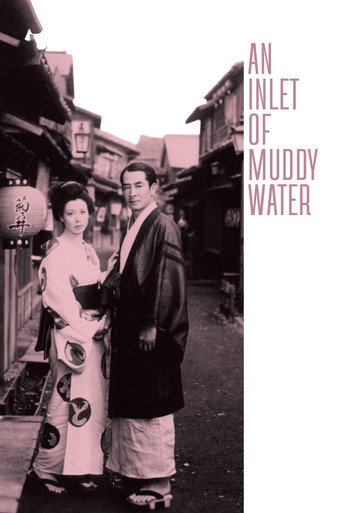
An Inlet of Muddy Water
★ 6.21953
MovieHistoryDrama
A Japanese woman writes down three stories she has witnessed or heard of in her diary, each about the difficult situation a young woman finds herself in.
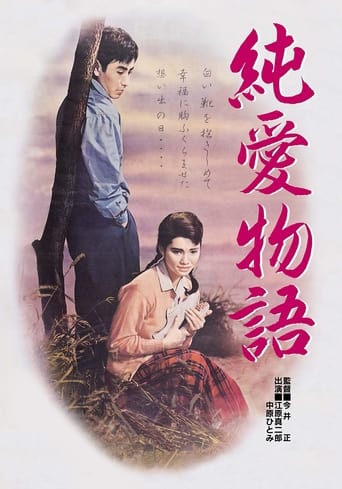 The Story of Pure Love · 1957
The Story of Pure Love
★ 6.81957
MovieRomanceDrama
Junai Monogatari AKA Story of Pure Love is about two poor youths, Mitsuko and Kando, rebelling against society in various ways, who are desperately trying to be together despite tortuous circumstances. The film depicts their lives as thieves, menial laborers who can get little pay, society outcasts, and of course, lovers. Junai Monogatari depicts, mostly, their struggles within the Japanese reformatory system and Mitsuko's worsening sickness.
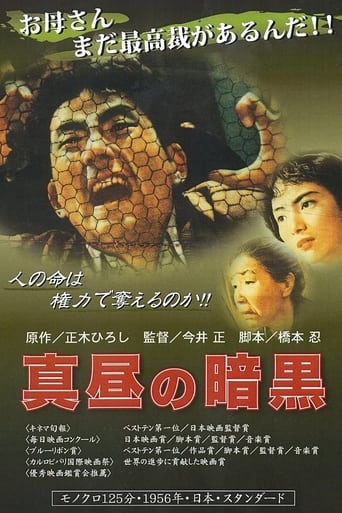 Darkness at Noon · 1956
Darkness at Noon
★ 6.91956
MovieCrimeDrama
Police beat a murder confession out of four innocent men who are then sentenced to death. Based on a true story.
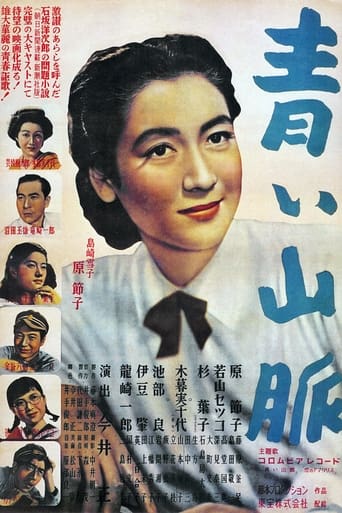 The Blue Mountains: Part I · 1949
The Blue Mountains: Part I
★ 6.41949
MovieDrama
Teacher Yukiko finds herself in opposition to conservative faculty and villagers after defending a student for being in a relationship with a young man from Tokyo.
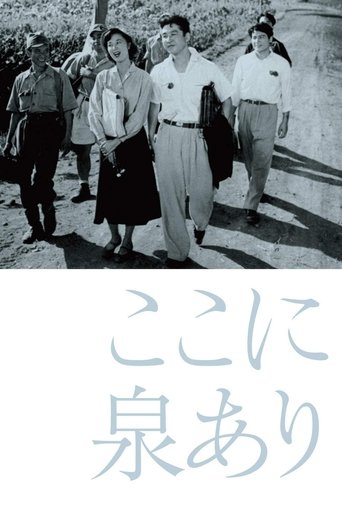 Here Is a Spring · 1955
Here Is a Spring
★ 8.21955
MovieDrama
The story of a group of young people who organise their own travelling symphony orchestra to provide music for people living in remote villages shortly after the war.
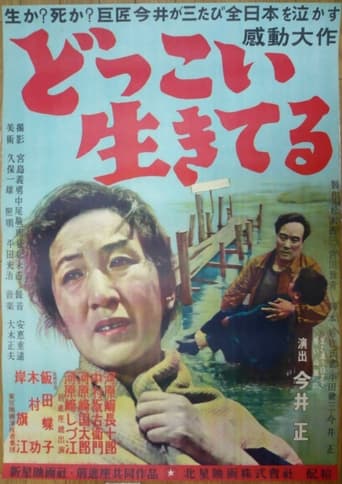 Still I Live On · 1951
Still I Live On
★ 6.01951
MovieDrama
About the struggles of day labourers to achieve dignity and a standard of living above the starvation level. Utilising the Zenshinza theatrical troupe.
Filmography
Sort