Directing
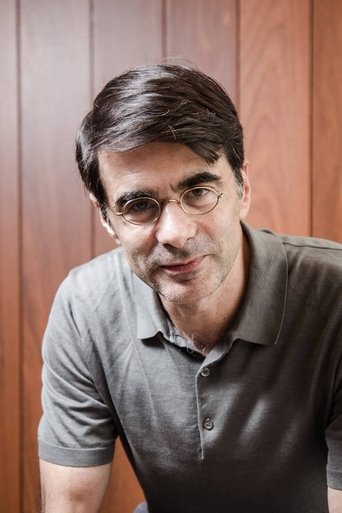
João Moreira Salles
Born January 1, 1962 · Rio de Janeiro, Rio de Janeiro, Brazil (age 64)
João Moreira Salles (Rio de Janeiro, born 1962) is a Brazilian documentarian and president of the Instituto Moreira Salles. In 2006, he founded the magazine Piauí. He has also taught courses on documentary at the Pontifical Catholic University of Rio de Janeiro and Princeton University.
Known For
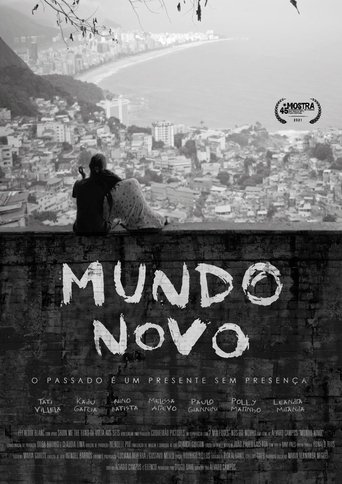 New World · 2024
New World
★ 7.02024
MovieRomanceDrama
Conceição and Presto, an interracial couple, ask Presto's brother for his signature as a guarantor of the financial request supposed to assure them an apartment in Leblon, the whitest neighborhood in Rio de Janeiro. The process proves to be much harder than they had imagined.
 Nelson Freire · 2003
Nelson Freire
★ 7.22003
MovieDocumentaryMusic
João Moreira Salles' "Nelson Freire" is a film-documentary about the great Brazilian pianist, who is certainly among the five great pianists of the world today. Nelson Freire is a quite discreet / shy person and João Salles respected this feature of his personality. During almost two years he followed the pianist around the world to compose a film, made of 31 thematic sections to cover the many aspects of the life of this genius of the piano.
 Futebol · 1998
Futebol
1998
MovieDocumentary
A three-part documentary about Brazilian soccer—from the players who reach the top to those who don't make it there.
 Moscow · 2009
Moscow
★ 5.72009
MovieDocumentary
Continuing the exploration of the thin line between truth and performance, Eduardo Coutinho turns his attention to the drama generated during rehearsals for the Galpão Theater Company’s performance of Chekov’s The Three Sisters. As he shoots scenes from the play, Coutinho attempts to capture the very moment in which reality becomes fiction and vice versa—whether through the actors’ bodies and words or in backstage scenes of a performance that will exist only on film.
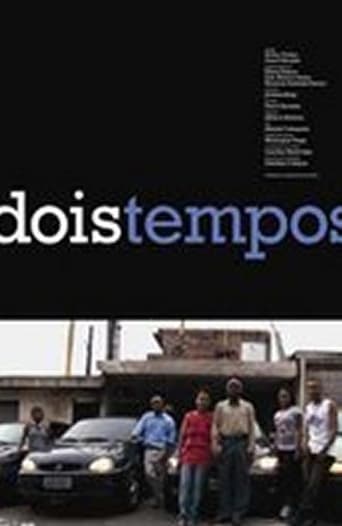 A Família Braz: Dois Tempos · 2010
A Família Braz: Dois Tempos
2010
MovieDocumentary
Six people, one family, ten years later. Dois Tempos resumes the narrative of the lives of the Braz, created in 2000, in the documentary A Família Braz. In 2010 the same directors return to the same house to update the portrait of the six characters. A decade later, what has been done with your expectations of the past, how you live life in the present and what to provide for the future.
 Krajcberg - O Poeta dos Vestígios · 1987
Krajcberg - O Poeta dos Vestígios
1987
MovieDocumentary
A touching documentary about artist Franz Krajcberg who moved from his home country to Brazil and started a life of environment activist.
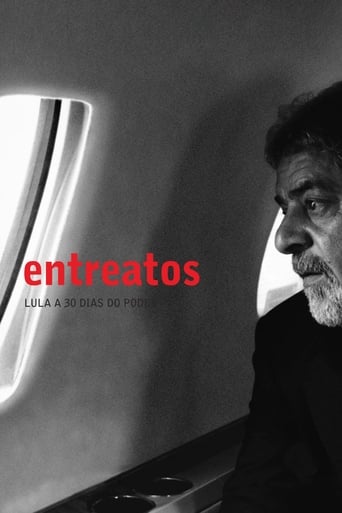 Intermissions · 2004
Intermissions
★ 7.92004
MovieDocumentary
This revealing documentary offers an insider's view of Lula da Silva's 2002 presidential campaign, showing political dynamics alongside intimate moments.
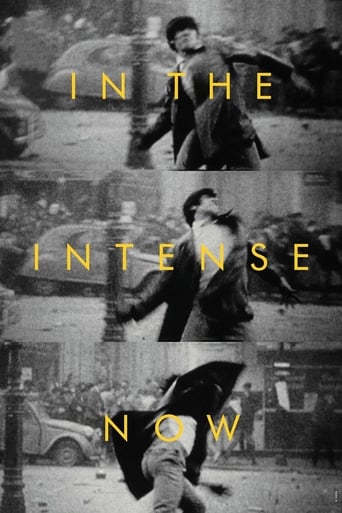 In the Intense Now · 2017
In the Intense Now
★ 7.62017
MovieDocumentary
A personal essay which analyses and compares images of the political upheavals of the 1960s. From the military coup in Brazil to China's Cultural Revolution, from the student uprisings in Paris to the end of the Prague Spring.