Writing
Ben Barzman
Born October 12, 1910 · Toronto, Canada
Died December 15, 1989 · aged 79
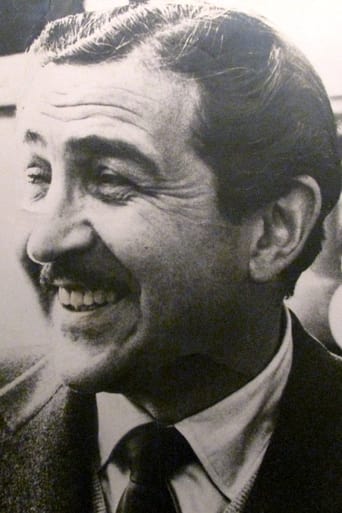
Ben Barzman (October 12, 1910 – December 15, 1989) was a Canadian journalist, screenwriter, and novelist, blacklisted during the McCarthy Era and best known for his screenplays for the films Back to Bataan (1945), El Cid (1961), and The Blue Max (1966). He was born in Toronto, Ontario to a Jewish family. He was the screenwriter or co-writer of more than 20 films, from You're a Lucky Fellow, Mr. S…
Known For
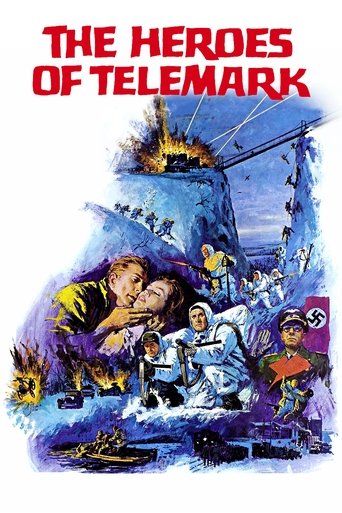 The Heroes of Telemark · 1965
The Heroes of Telemark
★ 6.91965
MovieActionDrama
Set in German-occupied Norway, resistance fighter Knut Straud enlists the reluctant physicist Rolf Pedersen in an effort to destroy the German heavy water production plant in rural Telemark.
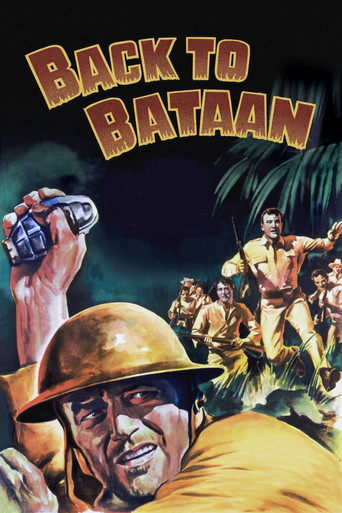 Back to Bataan · 1945
Back to Bataan
★ 6.11945
MovieWarDrama
A U.S. Army colonel leads local fighters in a guerrilla campaign against the Japanese in the Philippines.
 The Fall of the Roman Empire · 1964
The Fall of the Roman Empire
★ 6.51964
MovieDramaHistory
In the year 180 A.D. Germanic tribes are about to invade the Roman empire from the north. In the midst of this crisis ailing emperor Marcus Aurelius has to make a decision about his successor between his son Commodus, who is obsessed by power, and the loyal general Gaius Livius.
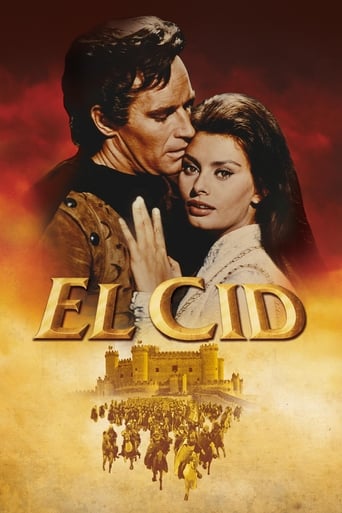 El Cid · 1961
El Cid
★ 6.81961
MovieActionDrama
Epic film of the legendary Spanish hero, Rodrigo Diaz ("El Cid" to his followers), who, without compromising his strict sense of honour, still succeeds in taking the initiative and driving the Moors from Spain.
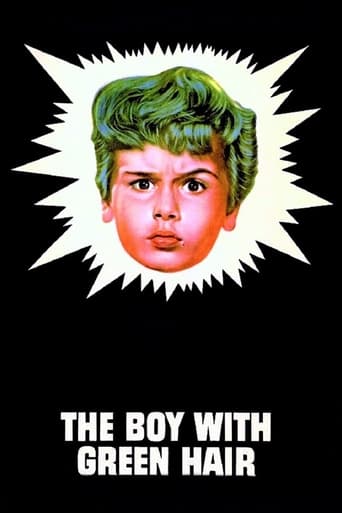 The Boy with Green Hair · 1948
The Boy with Green Hair
★ 6.21948
MovieDramaComedy
Peter, an orphaned boy, is adopted by Gramp Frye after his parents are killed in Europe while doing war relief work. The boy feels safe with his new caretaker, but when he is taunted for being an orphan, he gets demoralized. The next day Peter wakes up with green hair. Embarrassed and further ridiculed, Peter seeks solace in a nearby forest. To his surprise, he finds other orphans in the woods, who encourage him to spread news of the injustices of war.
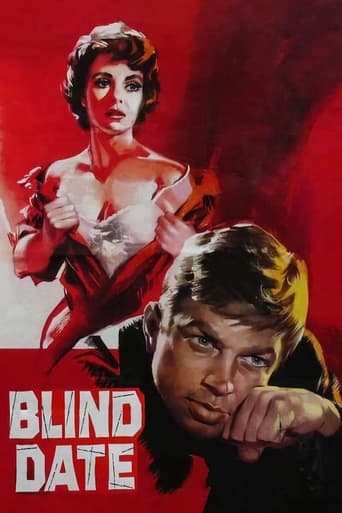 Blind Date · 1959
Blind Date
★ 5.91959
MovieMysteryDrama
Painter Jan Van Rooyer has been art teacher to Jacqueline Cousteau, an older Frenchwoman who becomes his lover. But when she turns up dead, Van Rooyer must explain their relationship to the police to clear his name.
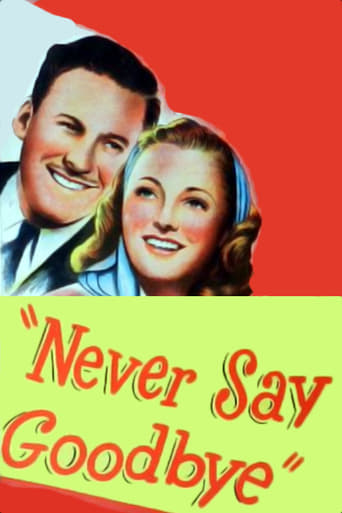 Never Say Goodbye · 1946
Never Say Goodbye
★ 6.31946
MovieComedy
Phil and Ellen Gayley have been divorced for a year, and their 7-year old daughter, Flip, is very unhappy that her parents are not together. Flip starts a correspondence with a Marine, sending a picture of her beautiful mother as the author of Flip's flirtatious letters. When the Marine shows up to meet his pen pal, Ellen takes the opportunity to make her ex-husband jealous.
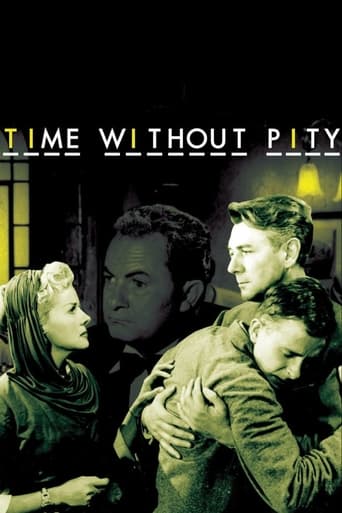 Time Without Pity · 1957
Time Without Pity
★ 6.51957
MovieCrimeThriller
Alec Graham is sentenced to death for the murder of his girlfriend Jennie, with whom he spent a weekend at the English country home of the parents of his friend Brian Stanford. Alec’s father, David Graham, a not-so-successful writer and alcoholic who has neglected his son in the past, flies in from Canada to visit his son on death row. David then goes on a quest to try and clear his son’s name while battling “the bottle.”