Acting
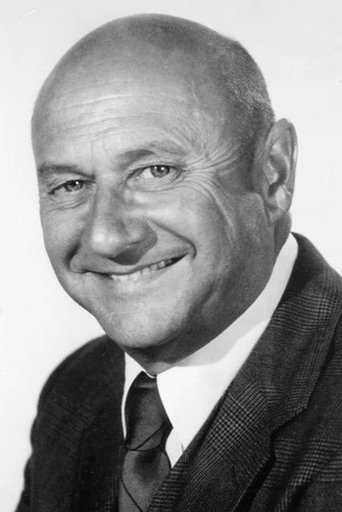
Donald Pleasence
Born October 5, 1919 · Worksop, Nottinghamshire, England, UK
Died February 2, 1995 · aged 75
Donald Henry Pleasence OBE (October 5, 1919 – February 2, 1995) was an English actor who gained more than 200 screen credits during a career which spanned over four decades. Often typecast as villainous and/or psychopathic characters, Pleasence is arguably best-known for his work in two of cinema's most successful franchises - James Bond and Halloween.
Known For
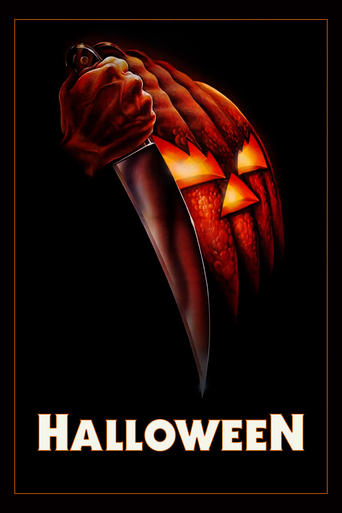 Halloween · 1978
Halloween
★ 7.61978
MovieHorrorThriller
Fifteen years after murdering his sister on Halloween Night 1963, Michael Myers escapes from a mental hospital and returns to the small town of Haddonfield, Illinois to kill again.
 Warrior Queen · 1987
Warrior Queen
★ 3.71987
MovieActionHistory
In ancient Pompeii, slaves are bought and sold for household chores and sex. A mysterious queen moves among the elite, meantime secretly helping the slaves to escape. Eventually her life is also in jeopardy, and as the volcano erupts she and the slaves attempt to escape while being chased by the military.
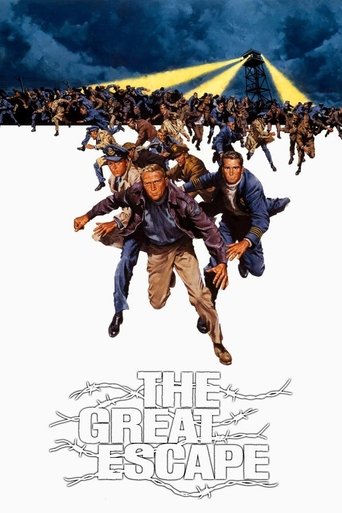 The Great Escape · 1963
The Great Escape
★ 7.91963
MovieAdventureDrama
The Nazis, exasperated at the number of escapes from their prison camps by a relatively small number of Allied prisoners, relocate them to a high-security 'escape-proof' camp to sit out the remainder of the war. Undaunted, the prisoners plan one of the most ambitious escape attempts of World War II. Based on a true story.
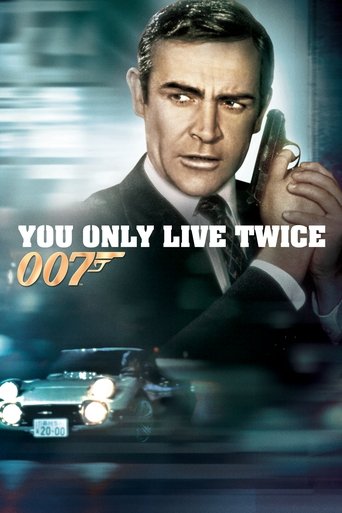 You Only Live Twice · 1967
You Only Live Twice
★ 6.61967
MovieActionThriller
A mysterious spacecraft captures Russian and American space capsules and brings the two superpowers to the brink of war. James Bond investigates the case in Japan and comes face to face with his archenemy Blofeld.
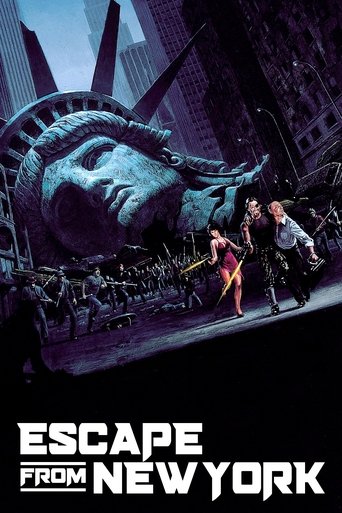 Escape from New York · 1981
Escape from New York
★ 7.01981
MovieActionThriller
In a world ravaged by crime, the entire island of Manhattan has been converted into a walled prison where brutal prisoners roam free. After the US president crash-lands inside, war hero Snake Plissken has 24 hours to bring him back.
 Halloween II · 1981
Halloween II
★ 6.61981
MovieHorrorThriller
After failing to kill stubborn survivor Laurie and taking a bullet or six from former psychiatrist Dr. Sam Loomis, Michael Myers has followed Laurie to the Haddonfield Memorial Hospital, where she's been admitted for Myers' attempt on her life. The institution proves to be particularly suited to serial killers, however, as Myers cuts, stabs and slashes his way through hospital staff to reach his favorite victim.
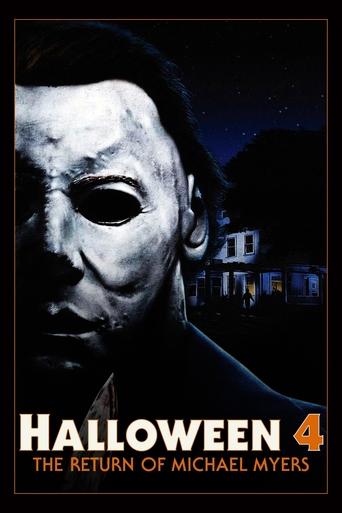 Halloween 4: The Return of Michael Myers · 1988
Halloween 4: The Return of Michael Myers
★ 6.21988
MovieHorrorThriller
Ten years after his original massacre, the invalid Michael Myers awakens on Halloween Eve and returns to Haddonfield to kill his seven-year-old niece.
 Halloween 5: The Revenge of Michael Myers · 1989
Halloween 5: The Revenge of Michael Myers
★ 5.31989
MovieHorrorThriller
After lying in a coma for a year, Michael Myers awakens and stalks his way back to his small hometown in Illinois, intent on killing his niece, Jamie, who has been confined to a mental institution since his last attempt to slay her.