Acting
Richard Erdman
Born June 1, 1925 · Enid, Oklahoma, USA
Died March 16, 2019 · aged 93
Richard Erdman (June 1, 1925 - March 16, 2019) was an American film and television actor and director. In a career that has spanned seven decades, his best known roles are that of the barracks chief Hoffy in Stalag 17, and McNulty in the classic Twilight Zone episode "A Kind of a Stopwatch". In Tora Tora Tora he played Colonel Edward F. French, the officer who responded to the failure to transmit…
Known For
 Tora! Tora! Tora! · 1970
Tora! Tora! Tora!
★ 7.21970
MovieWarHistory
In the summer of 1941, the United States and Japan seem on the brink of war after constant embargos and failed diplomacy come to no end. "Tora! Tora! Tora!", named after the code words used by the lead Japanese pilot to indicate they had surprised the Americans, covers the days leading up to the attack on Pearl Harbor, which plunged America into the Second World War.
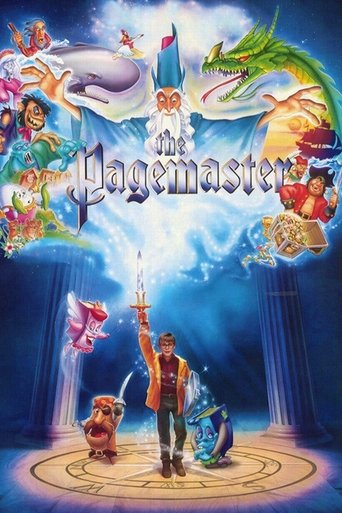 The Pagemaster · 1994
The Pagemaster
★ 6.41994
MovieFamilyFantasy
Rich knows a lot about accidents. So much so, he is scared to do anything that might endanger him, like riding his bike, or climbing into his treehouse. While in an old library, he is mystically transported into the unknown world of books, and he has to try and get home again.
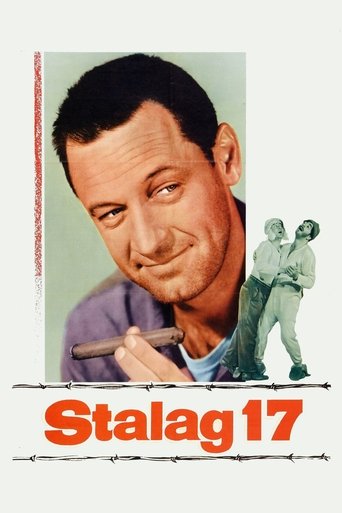 Stalag 17 · 1953
Stalag 17
★ 7.71953
MovieComedyDrama
After two American prisoners are killed by guards in the act of escaping from a German POW camp in World War II, barracks black marketeer J.J. Sefton is suspected of being an informer.
 Nobody Lives Forever · 1946
Nobody Lives Forever
★ 6.41946
MovieCrimeDrama
A con artist falls for the rich widow he's trying to fleece.
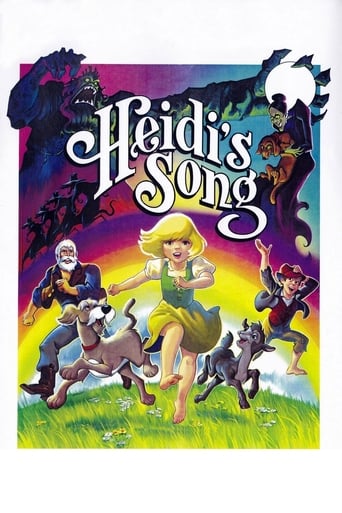 Heidi's Song · 1982
Heidi's Song
★ 6.31982
MovieFamilyAnimation
Orphan Heidi lives with her grandpa in Swiss Alps. She brings joy to all there. However, her aunt takes her to the city to live as a servant girl to a cold rich strict family and their nice but sad handicapped daughter.
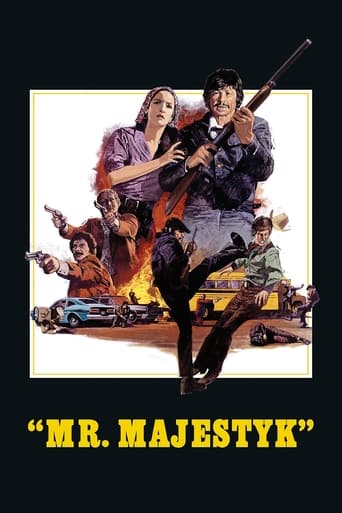 Mr. Majestyk · 1974
Mr. Majestyk
★ 6.81974
MovieActionCrime
A melon farmer battles organized crime and a hit man who wants to kill him.
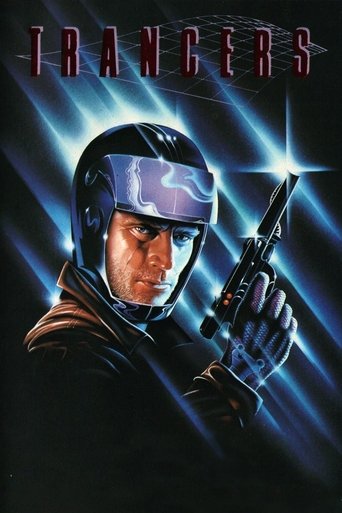 Trancers · 1984
Trancers
★ 5.91984
MovieScience FictionCrime
Angel City trooper Jack Deth is sent back in time from 2247 to 1985 L.A. to inhabit the body of his ancestor. Deth's assignment is to find his archenemy, Whistler, who turns people into zombies, before the fiend is able to kill all the ancestors of the future's governing council.
 Jumping Jacks · 1952
Jumping Jacks
★ 6.51952
MovieComedy
Nightclub entertainer Hap Smith has a new act since his former partner Chick Allen joined the army. With his lovely new female partner, Hap now plays a clownish parody of a soldier. When Chick organises a soldier show at Fort Benning, he realizes he needs his former partner's help—so, to get onto the base, Hap impersonates a hapless real soldier, but circumstances force them to prolong the masquerade, creating an increasingly tangled Army-sized SNAFU.
Filmography
Sort
Nobody Lives Forever · 1946Nobody Lives Forever
★ 6.41946
MovieCrimeDrama
A con artist falls for the rich widow he's trying to fleece.
Bellboy, The Marwood Arms
Mr. Majestyk · 1974Mr. Majestyk
★ 6.81974
MovieActionCrime
A melon farmer battles organized crime and a hit man who wants to kill him.
Dick Richard (uncredited)
 The Admiral Was a Lady · 1950
The Admiral Was a Lady
★ 6.41950
MovieComedyRomance
Ex-WAVE encounters four fun-loving, work-hating men, all of whom want to marry her.
Oliver 'Ollie' Bonelli
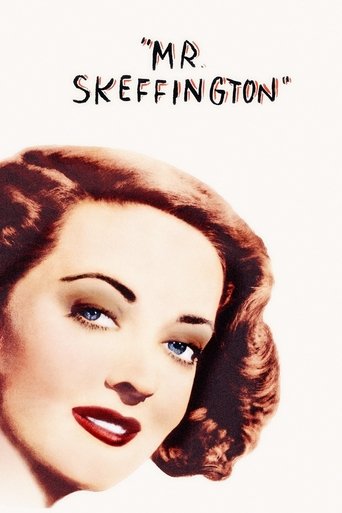 Mr. Skeffington · 1944
Mr. Skeffington
★ 6.81944
MovieDramaRomance
A beautiful but vain woman who rejects the love of her older husband must face the loss of her youth and beauty.
Western Union Boy (uncredited)
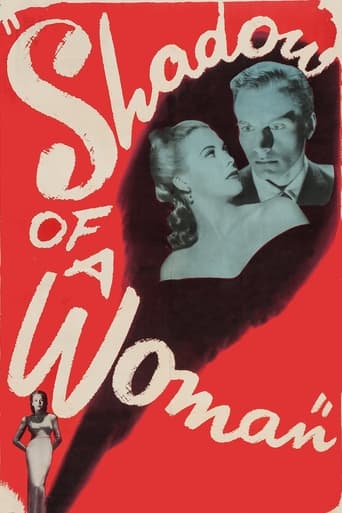 Shadow of a Woman · 1946
Shadow of a Woman
★ 4.51946
MovieDrama
Brooke's brief marital life with Eric takes a downturn when she starts suspecting that he is starving his son from a prior marriage to death in order to claim his inheritance.
Joe, Counterman at Owl Lunch