László Benedek

Directing

László Benedek

Born March 5, 1905 · Budapest, Hungary

Died March 11, 1992 · aged 87

From Wikipedia, the free encyclopedia László Benedek (Hungarian pronunciation: [ˈlaːsloː ˈbɛnɛdɛk]; March 5, 1905 – March 11, 1992; sometimes Laslo Benedek) was a Hungarian-born film director and cinematographer, most notable for directing The Wild One (1953). Born in Budapest, he worked as a writer and editor in Hungarian cinema until World War II. Louis B. Mayer helped the Jewish Benedek escap…

Known For
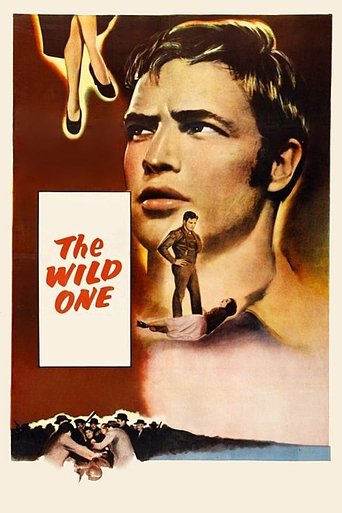
The Wild OneThe Wild One · 1953
The Wild One
6.61953
MovieDramaCrime
The Black Rebels Motorcycle Club ride into the small California town of Wrightsville, eager to raise hell. Brooding gang leader Johnny Strabler takes a liking to Kathie, the daughter of the local lawman, as another club rolls into town.
The Great DesireThe Great Desire · 1930
The Great Desire
7.71930
MovieComedy
A young woman leaves behind her job, home and family to try to make it in the movie business. Features cameos from about three dozen German film stars of the era.
The Night VisitorThe Night Visitor · 1971
The Night Visitor
6.51971
MovieThrillerMystery
An insane Swedish farmer escapes from an asylum to get revenge on his sister, her husband and others.
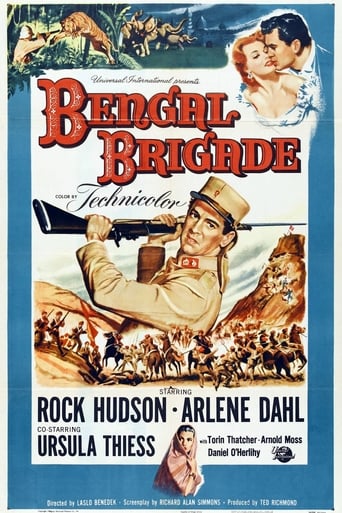
Bengal BrigadeBengal Brigade · 1954
Bengal Brigade
5.21954
MovieWarAdventure
Year 1856, British India. Capt. Jeffrey Claybourne is severely punished after disobeying an order. Feeling unworthy of his fiancée Vivian Morrow, the daughter of his superior officer, Claybourne leaves the army until he could regain his reputation. When the Rajah Karam launches an attack on the British forces in India, Claybourne finds a chance at redemption.
Port of New YorkPort of New York · 1949
Port of New York
4.91949
MovieCrimeDrama
Two narcotics agents go after a gang of murderous drug dealers who use ships docking at the New York harbor to smuggle in their contraband.
Namu, the Killer WhaleNamu, the Killer Whale · 1966
Namu, the Killer Whale
5.31966
MovieDramaFamily
Based on the amazing true story of a marine biologist (Robert Lansing) who befriends a six-ton Orcawhale, this "honest, fascinating and vigorously wholesome film" (Citizen-News) is heartwarming fun for the whole family. Like all close pals, Hank (Lansing) and Namu love spending time together. Whether sharing a morning swim or soaking up the afternoon sun, these two are virtually inseparable. Trouble is, the local fishermen mistakenly think that Namu is a threat. Racing against time, Hank must enlist the help of a young widow and her daughter to save Namu and prove that he's a gentle giant!
Death of a SalesmanDeath of a Salesman · 1951
Death of a Salesman
7.01951
MovieDrama
Willy Loman, an aging, failing salesman, struggles to accept reality and his failure to achieve the American Dream.
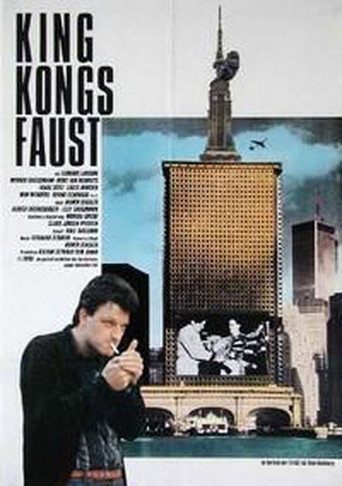
King Kongs FaustKing Kongs Faust · 1985
King Kongs Faust
8.01985
MovieComedy
Berlin Film Fest 1984. The best place for every cinema fan. Everyone wants to be in on the festival, but that may be really difficult, if one has no accreditation. Also Journalist Matthies gets to know the rules of being in or out when he wants to see a screening and is not welcome. Thus he watches an old German silent flick which he is barely interested in. The next day the newspapers are full of reports about a newly discovered German masterpiece from the silent era. It seems that Matthies had luck. He just saw *the* film everybody is talking about now. Also everybody is speculating about its director, who remains unknown. When Matthies talks to Ackrewa, an old befriended projectionist, about the film, the latter seems to recall the name of the director. Matthies decides to research the case. An odyssey into film-history begins and if it is successful Matthies will come up with a top story.

Filmography

Sort
King Kongs FaustKing Kongs Faust · 1985
King Kongs Faust
8.01985
MovieComedy
Berlin Film Fest 1984. The best place for every cinema fan. Everyone wants to be in on the festival, but that may be really difficult, if one has no accreditation. Also Journalist Matthies gets to know the rules of being in or out when he wants to see a screening and is not welcome. Thus he watches an old German silent flick which he is barely interested in. The next day the newspapers are full of reports about a newly discovered German masterpiece from the silent era. It seems that Matthies had luck. He just saw *the* film everybody is talking about now. Also everybody is speculating about its director, who remains unknown. When Matthies talks to Ackrewa, an old befriended projectionist, about the film, the latter seems to recall the name of the director. Matthies decides to research the case. An odyssey into film-history begins and if it is successful Matthies will come up with a top story.

Sammler in England

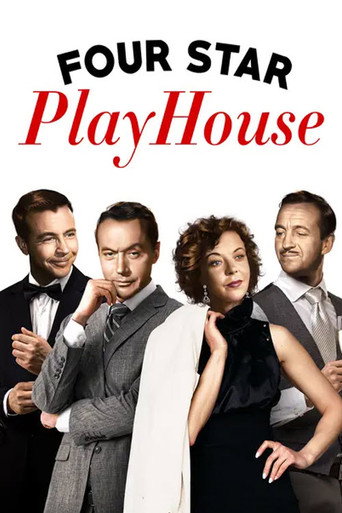
Four Star PlayhouseFour Star Playhouse · 1952
Four Star Playhouse
6.81952
SeriesDramaComedy
Four Star Playhouse is an American television anthology series that ran from 1952 to 1956, sponsored in its first bi-weekly season by The Singer Company; Bristol-Myers became an alternate sponsor when it became a weekly series in the fall of 1953. The original premise was that Charles Boyer, Ida Lupino, David Niven, and Dick Powell would take turns starring in episodes. However, several other performers took the lead from time to time, including Ronald Colman and Joan Fontaine. Blake Edwards was among the writers and directors who contributed to the series. Edwards created the recurring character of illegal gambling house operator Willie Dante for Dick Powell to play on this series. The character was later revamped and spun off in his own series starring Howard Duff, then-husband of Lupino. The pilot for Meet McGraw, starring Frank Lovejoy, aired here, as did another episode in which Lovejoy recreated his role of Chicago newspaper reporter Randy Stone, from the radio drama Nightbeat.

Director

Cavalcade of AmericaCavalcade of America · 1952
Cavalcade of America
4.61952
SeriesDrama
Cavalcade of America is an anthology drama series that was sponsored by the DuPont Company, although it occasionally presented a musical, such as an adaptation of Show Boat, and condensed biographies of popular composers. It was initially broadcast on radio from 1935 to 1953, and later on television from 1952 to 1957. Originally on CBS, the series pioneered the use of anthology drama for company audio advertising. Cavalcade of America documented historical events using stories of individual courage, initiative and achievement, often with feel-good dramatizations of the human spirit's triumph against all odds. This was consistent with DuPont's overall conservative philosophy and legacy as an American company dating back to 1802. The company's motto, "Maker of better things for better living through chemistry," was read at the beginning of each program, and the dramas emphasized humanitarian progress, particularly improvements in the lives of women, often through technological innovation.

Director

CusterCuster · 1967
Custer
6.41967
SeriesWesternDrama
Custer, also known as The Legend of Custer, is a 17-episode military-western television series which ran on ABC from September 6 to December 27, 1967, with Wayne Maunder in the starring role of then Lieutenant Colonel George Armstrong Custer. During the American Civil War, Custer had risen to the rank of major general, the youngest in the Union Army. He was demoted after the war during force reductions to the rank of Captain, but was reinstated in 1866 as a Lieutenant Colonel in command of the Seventh Cavalry, stationed at Fort Riley, Kansas. Many of the soldiers in the regiment were derelicts, former Confederates, or even criminals. The series was cancelled before the script timeline would have reached the Little Big Horn River of southeastern Montana, where all perished on June 25, 1876, in a Sioux Indian ambush, Robert F. Simon played Custer's commanding officer, U.S. General Alfred H. Terry, who disapproved of Custer's long hair and much of his methodology of fighting Indians. Slim Pickens starred as a scout named California Joe Milner. Michael Dante appeared as Sioux Chief Crazy Horse. Peter Palmer played Sergeant James Bustard, a former Confederate soldier. Grant Woods appeared as Captain Myles Keogh. Read Morgan, formerly a cavalry officer on NBC's The Deputy, appeared in the episode "Spirit Woman" in the role of a medicine man.

Director