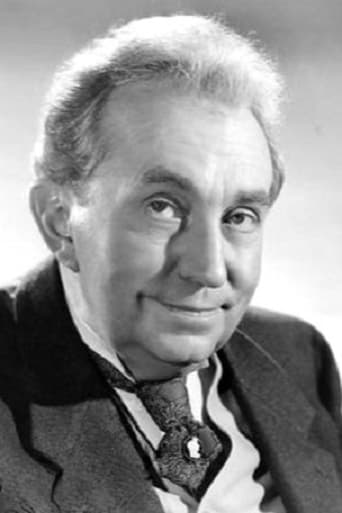
Charles Dingle

Acting

Charles Dingle

Born December 27, 1887 · Wabash, Indiana, USA

Died January 19, 1956 · aged 68

From Wikipedia, the free encyclopedia Charles Dingle (December 28, 1887, Wabash, Indiana – January 19, 1956, Worcester, Massachusetts) was an American stage and film actor. Dingle made his Broadway debut in the short-lived drama Killers in 1928. Better roles followed including Duke Theseus in the 1932 revival of A Midsummer Night's Dream and Sheriff Cole in Let Freedom Ring in 1935. He made his …

Known For
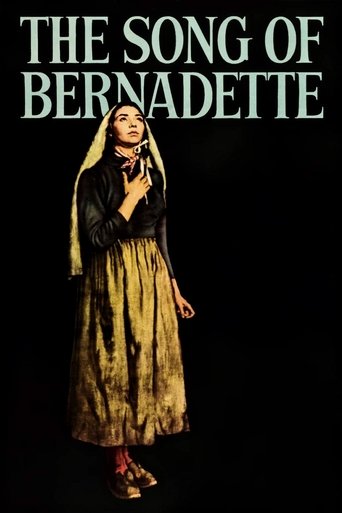
The Song of BernadetteThe Song of Bernadette · 1943
The Song of Bernadette
7.11943
MovieDrama
In 1858 Lourdes, France, adolescent peasant Bernadette has a vision of "a beautiful lady" in the Massabielle grotto - the townspeople assume this lady to be the Virgin Mary. Pompous government officials think the girl is insane, doing their best to suppress her and her followers, while the church wants nothing to do with the matter. But as Bernadette attracts wider and wider attention, the phenomenon overtakes everyone in the town, ultimately transforming their lives.
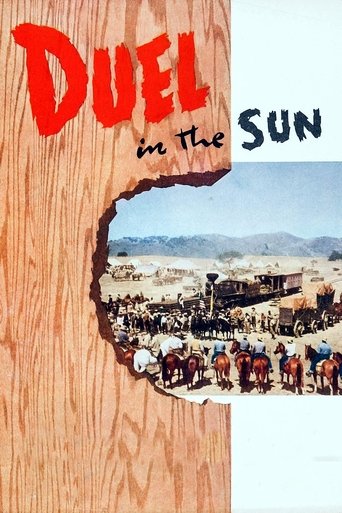
Duel in the SunDuel in the Sun · 1946
Duel in the Sun
6.41946
MovieWesternDrama
Beautiful half-breed Pearl Chavez becomes the ward of her dead father's first love and finds herself torn between her sons, one good and the other bad.
The Little FoxesThe Little Foxes · 1941
The Little Foxes
7.51941
MovieDrama
In 1900, a clan attempts to strike a deal with a Chicago industrialist to get him to build cotton mills in their Deep South town.
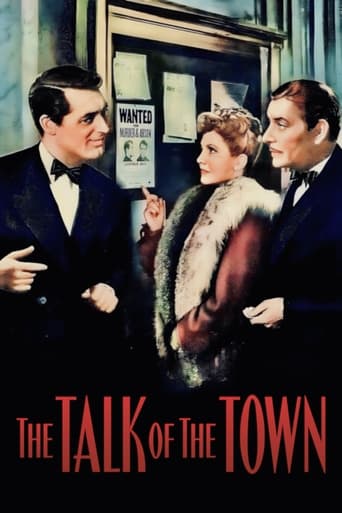
The Talk of the TownThe Talk of the Town · 1942
The Talk of the Town
7.31942
MovieComedyDrama
Hilarity ensues when a falsely accused fugitive from justice hides at the house of his childhood friend, which she has recently rented to a high-principled law teacher.
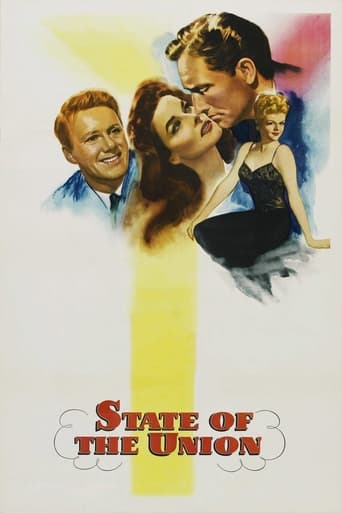
State of the UnionState of the Union · 1948
State of the Union
6.81948
MovieComedyDrama
An industrialist is urged to run for President, but this requires uncomfortable compromises on both political and marital levels.
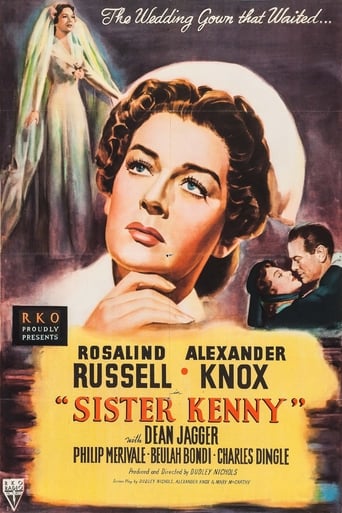
Sister KennySister Kenny · 1946
Sister Kenny
6.91946
MovieDrama
An Australian nurse discovers an effective new treatment for infantile paralysis, but experiences great difficulty in convincing doctors of the validity of her claims.
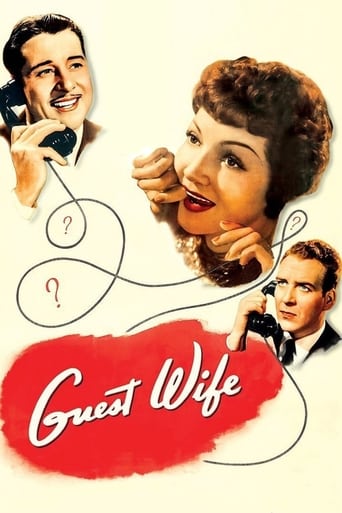
Guest WifeGuest Wife · 1945
Guest Wife
6.21945
MovieComedyRomance
Christopher Price, a small-town bank executive, continues to be loyal to and idolize his boyhood friend, Joseph Jefferson Parker, a famous war correspondent. But Chris's wife, Mary, is none to fond of Joe and tired of her husband's idolizing. On the eve of the Price's second-honeymoon trip to New York City, Joe arrives and tells Chris that he needs someone to pose as his wife in order to fool his boss in NYC, who thinks Joe got married to an overseas woman while on an assignment. Chris pushes Mary into posing as Joe's wife. In New York, this leads to many complications and misunderstandings, with Mary finally deciding to teach Chris and Joe a lesson by making them believe she is in love with Joe.
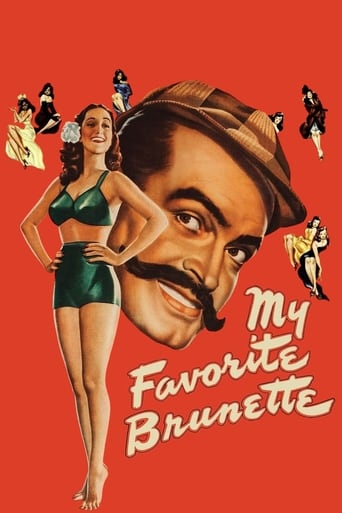
My Favorite BrunetteMy Favorite Brunette · 1947
My Favorite Brunette
6.71947
MovieComedyMystery
Ronnie Jackson is a lowly baby photographer who secretly fantasizes about being a private detective. When a lovely baroness actually mistakes him for one and asks him to help locate her missing husband, Baron Montay, Ronnie finds himself agreeing. Several days later he is on death row whiling away the hours until his execution by recounting to a group of reporters the bizarre tale of how he ended up there.
Filmography

Sort
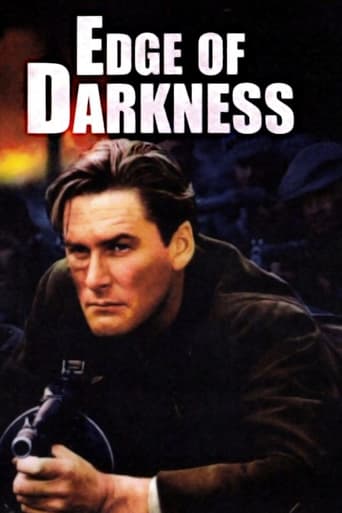
Edge of DarknessEdge of Darkness · 1943
Edge of Darkness
6.31943
MovieDramaWar
The film pivots around the local Norwegian doctor and his family. The doctor's wife (Ruth Gordon) wants to hold on to the pretence of gracious living and ignore their German occupiers. The doctor, Martin Stensgard (Walter Huston), would also prefer to stay neutral, but is torn. His brother-in-law, the wealthy owner of the local fish cannery, collaborates with the Nazis. The doctor's daughter, Karen (Ann Sheridan), is involved with the resistance and with its leader Gunnar Brogge (Errol Flynn). The doctor's son has just returned to town, having been sent down from the university, and is soon influenced by his Nazi-sympathizer uncle. Captain Koenig (Helmut Dantine), the young German commandant of the occupying garrison, whose fanatic determination to do everything by the book and spoutings about the invincibility of the Reich hides a growing fear of a local uprising.

Kaspar Torgerson

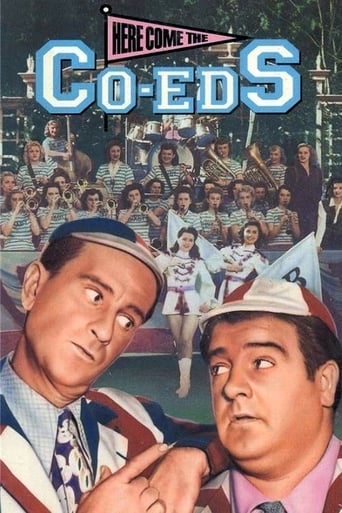
Here Come the Co-EdsHere Come the Co-Eds · 1945
Here Come the Co-Eds
5.91945
MovieComedy
Molly, her brother, Slats, and his pal, Oliver, are taxi dancers at the Miramar Ballroom. As a publicity stunt, Slats plants an article about Molly claiming her ambition is to earn enough money to attend staid, all-girl Bixby College. Bixby's progressive dean offers Molly a scholarship. Molly accepts on the condition that Slats and Oliver come along too as campus caretakers. But the pompous Chairman threatens to foreclose on the school's mortgage if Molly isn't expelled. Together, the trio, with the help of some new friends, concocts a scheme to raise enough money to save the school. The plan involves a bet on the Bixby basketball team, which is playing in a game rated at 20 to 1 by the local bookie. But the bookie has other plans for their dough and hires a group of ringers to step in for the opponents. All is not lost, at least while Oliver has the chance to turn things around for his friends-one way or another.

Jonathan Kirkland

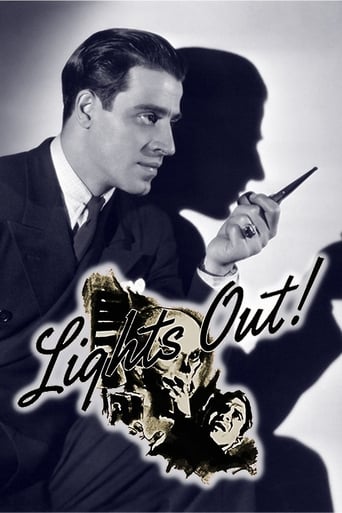
Lights OutLights Out · 1949
Lights Out
6.01949
SeriesSci-Fi & FantasyCrime
Lights Out was an extremely popular American old-time radio program, an early example of a network series devoted mostly to horror and the supernatural, predating Suspense and Inner Sanctum. Versions of Lights Out aired on different networks, at various times, from January 1934 to the summer of 1947 and the series eventually made the transition to television. In 1946, NBC Television brought Lights Out to TV in a series of four specials, broadcast live and produced by Fred Coe, who also contributed three of the scripts. NBC asked Cooper to write the script for the premiere, "First Person Singular", which is told entirely from the point of view of an unseen murderer who kills his obnoxious wife and winds up being executed. Variety gave this first episode a rave review ("undoubtedly one of the best dramatic shows yet seen on a television screen"), but Lights Out did not become a regular NBC-TV series until 1949.