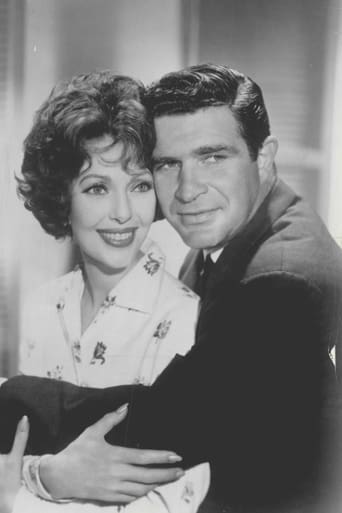
Norman Foster

Directing

Norman Foster

Born December 13, 1903 · Richmond, Indiana, USA

Died July 7, 1976 · aged 72

From Wikipedia, the free encyclopedia. Norman Foster (December 13, 1903 - July 7, 1976) was an American film director and actor. Born John Hoeffer in Richmond, Indiana, Foster originally became a cub reporter on a local newspaper in Indiana before going to New York in the hopes of getting a better newspaper job but there were no vacancies. He tried a number of theatrical agencies before getting …

Known For
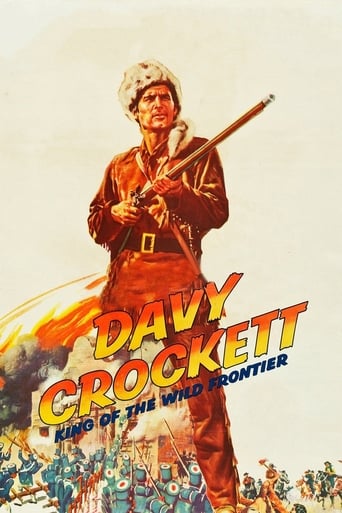
Davy Crockett, King of the Wild FrontierDavy Crockett, King of the Wild Frontier · 1955
Davy Crockett, King of the Wild Frontier
★ 6.41955
MovieAdventureFamily
Legends (and myths) from the life of famed American frontiersman Davy Crockett are depicted in this feature film edited from television episodes. Crockett and his friend George Russel fight in the Creek Indian War. Then Crockett is elected to Congress and brings his rough-hewn ways to the House of Representatives. Finally, Crockett and Russell journey to Texas and the last stand at the Alamo.
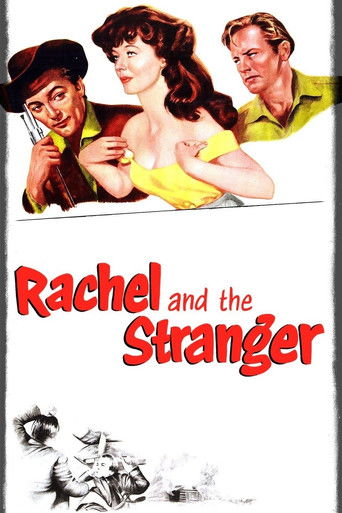
Rachel and the StrangerRachel and the Stranger · 1948
Rachel and the Stranger
★ 6.51948
MovieWesternRomance
A widowed farmer takes an indentured servant as his new wife, but the arrival of a passing stranger threatens their burgeoning relationship.
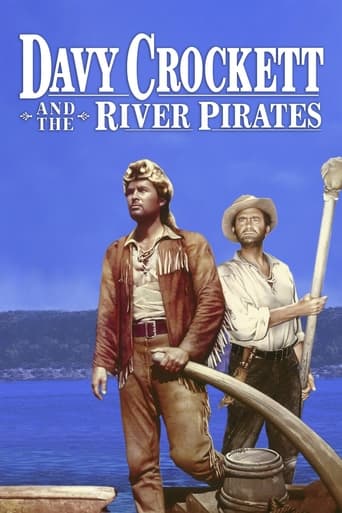
Davy Crockett and the River PiratesDavy Crockett and the River Pirates · 1956
Davy Crockett and the River Pirates
★ 6.31956
MovieAdventureFamily
Davy Crockett and his sidekick Georgie compete against boastful Mike Fink ("King of the River") in a boat race to New Orleans. Later, Davy and Georgie, allied with Fink, battle a group of river pirates trying to pass themselves off as Native Americans.
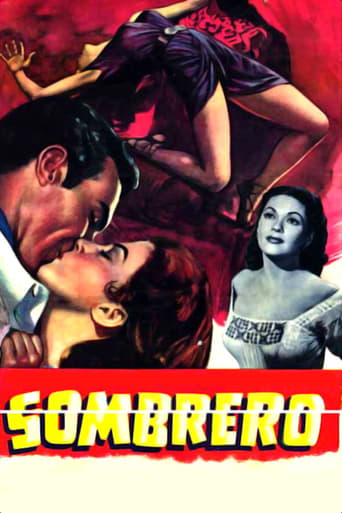
SombreroSombrero · 1953
Sombrero
★ 4.21953
MovieMusicRomance
Mexican love stories follow a dying man, a bullfighter's sister and lovers from feuding villages.
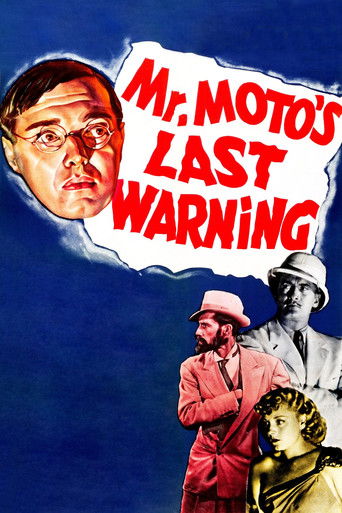
Mr. Moto's Last WarningMr. Moto's Last Warning · 1939
Mr. Moto's Last Warning
★ 5.71939
MovieMysteryCrime
A Japanese man claiming to be Mr. Moto, of the International Police, is abducted and murdered soon after disembarking from a ship at Port Said in Egypt. The real Mr. Moto is already in Port Said, investigating a conspiracy against the British and French governments.
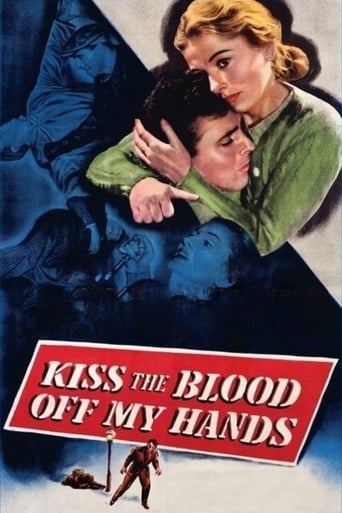
Kiss the Blood Off My HandsKiss the Blood Off My Hands · 1948
Kiss the Blood Off My Hands
★ 6.71948
MovieRomanceDrama
Bill Saunders, a former prisoner of war living in England, whose experiences have left him unstable and violent, gets into a bar fight in which he kills a man and then flees. He hides out with the assistance of a nurse, Jane Wharton, who believes his story that the killing was an accident.
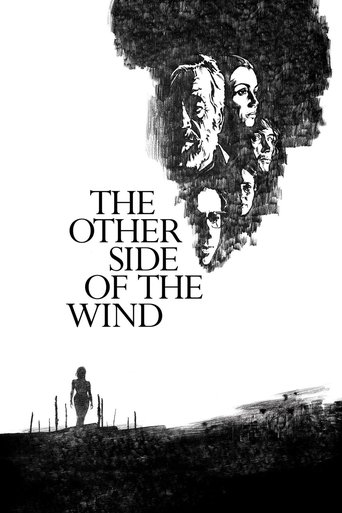
The Other Side of the WindThe Other Side of the Wind · 2018
The Other Side of the Wind
★ 6.72018
MovieDrama
At a media-swamped party to celebrate his seventieth birthday and screen his avant-garde film-in-progress, a legendary but jaded Hollywood director is faced both with voracious fans and unsettling questions about what became of his lead actor.
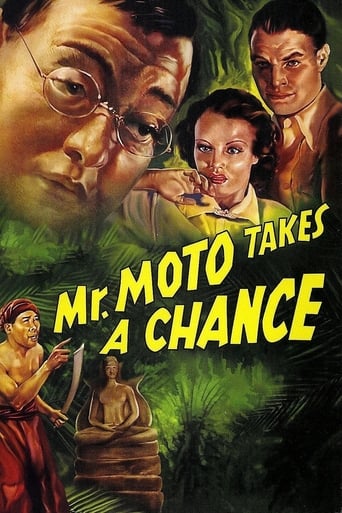
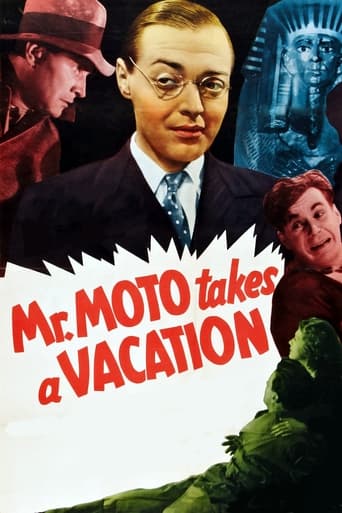
Mr. Moto Takes a ChanceMr. Moto Takes a Chance · 1938
Mr. Moto Takes a Chance
★ 5.81938
MovieThrillerCrime
In the jungle near Angkor Wat in Cambodia, Mr. Moto poses as an ineffectual archaeologist and a venerable holy man with mystical powers to help foil two insurgencies against the government.
Filmography

Sort
Cavalcade of AmericaCavalcade of America · 1952
Cavalcade of America
★ 4.61952
SeriesDrama
Cavalcade of America is an anthology drama series that was sponsored by the DuPont Company, although it occasionally presented a musical, such as an adaptation of Show Boat, and condensed biographies of popular composers. It was initially broadcast on radio from 1935 to 1953, and later on television from 1952 to 1957. Originally on CBS, the series pioneered the use of anthology drama for company audio advertising. Cavalcade of America documented historical events using stories of individual courage, initiative and achievement, often with feel-good dramatizations of the human spirit's triumph against all odds. This was consistent with DuPont's overall conservative philosophy and legacy as an American company dating back to 1802. The company's motto, "Maker of better things for better living through chemistry," was read at the beginning of each program, and the dramas emphasized humanitarian progress, particularly improvements in the lives of women, often through technological innovation.

Director

The Wonderful World of DisneyThe Wonderful World of Disney · 1954
The Wonderful World of Disney
★ 7.91954
SeriesAction & AdventureAnimation
Walt Disney Productions has produced an anthology television series under several different titles since 1954. The original version of the series premiered on ABC, Wednesday night, October 27, 1954. The show, which was hosted by Walt Disney until his death and then from 1996 to 2002 by then-CEO Michael Eisner (with one-off hosts or no hosts during other periods) has since aired continually as either a weekly program or an irregular series of specials on several networks and streaming services, most recently on ABC and Disney+. The show is the second longest showing prime-time program on American television, behind its rival, Hallmark Hall of Fame. However, Hallmark Hall of Fame was a weekly program only during its first five seasons, while Disney remained a weekly program for more than forty years.

Director

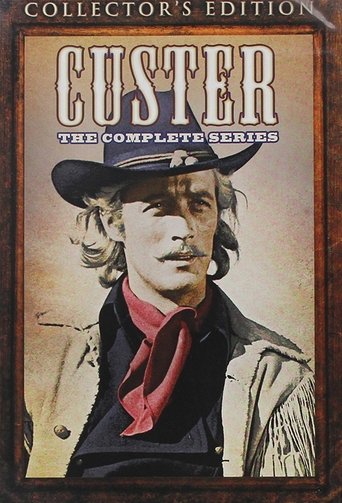
CusterCuster · 1967
Custer
★ 6.41967
SeriesWesternDrama
Custer, also known as The Legend of Custer, is a 17-episode military-western television series which ran on ABC from September 6 to December 27, 1967, with Wayne Maunder in the starring role of then Lieutenant Colonel George Armstrong Custer. During the American Civil War, Custer had risen to the rank of major general, the youngest in the Union Army. He was demoted after the war during force reductions to the rank of Captain, but was reinstated in 1866 as a Lieutenant Colonel in command of the Seventh Cavalry, stationed at Fort Riley, Kansas. Many of the soldiers in the regiment were derelicts, former Confederates, or even criminals. The series was cancelled before the script timeline would have reached the Little Big Horn River of southeastern Montana, where all perished on June 25, 1876, in a Sioux Indian ambush, Robert F. Simon played Custer's commanding officer, U.S. General Alfred H. Terry, who disapproved of Custer's long hair and much of his methodology of fighting Indians. Slim Pickens starred as a scout named California Joe Milner. Michael Dante appeared as Sioux Chief Crazy Horse. Peter Palmer played Sergeant James Bustard, a former Confederate soldier. Grant Woods appeared as Captain Myles Keogh. Read Morgan, formerly a cavalry officer on NBC's The Deputy, appeared in the episode "Spirit Woman" in the role of a medicine man.

Director

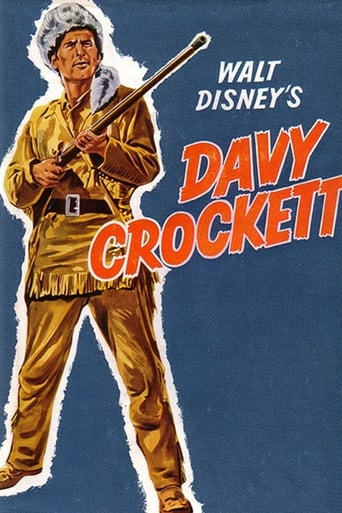
Davy CrockettDavy Crockett · 1954
Davy Crockett
★ 6.11954
SeriesWestern
Davy Crockett is a five-part serial which aired on ABC in one-hour episodes on the Disneyland series. The series stars Fess Parker as real-life frontiersman Davy Crockett and Buddy Ebsen as his friend, George Russel. The first three episodes of the serial were edited together as the 1955 theatrical film Davy Crockett, King of the Wild Frontier, and rebroadcast in color in the 1960s when the Disney program went to NBC. This series and film are known for the catchy theme song, "The Ballad of Davy Crockett". It was filmed in color at the Great Smoky Mountains National Park at the Mountain Farm Museum adjacent to the visitor center at Oconaluftee near Qualla Reservation's entrance and Janss Conejo Ranch, California. The final two episodes were edited together as the 1956 theatrical film Davy Crockett and the River Pirates. It was filmed in Cave-In-Rock, Illinois.

Director

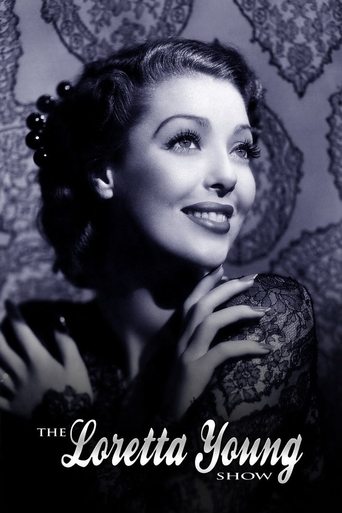
The New Loretta Young ShowThe New Loretta Young Show · 1962
The New Loretta Young Show
★ 7.51962
SeriesComedyDrama
The New Loretta Young Show, is an American television series, which aired for twenty-six weekly episodes on CBS television from September 24, 1962 to March 18, 1963, features Loretta Young in a combination drama and situation comedy about a free-lance writer in suburban Connecticut named Christine Massey, the widowed mother of seven children. The program is the only one in which Young starred as a recurring character. Her previous anthology series on NBC placed her in the role of hostess and occasional star. Young is the first star to garner both Academy and Emmy awards, one of a relatively few to make the transition from motion picture to television. Though it followed the popular The Andy Griffith Show on CBS, The New Loretta Young Show, sponsored by Lever Brothers, proved unable to sustain the needed audience in competition at 10 p.m. Eastern time on Mondays with the ABC medical drama Ben Casey starring Vince Edwards and Sam Jaffe, which entered its second season. NBC fielded David Brinkley's Journal at the same time, reflections of the news correspondent David Brinkley. The New Loretta Young Show was hence quietly dropped at the end of winter in 1963. Young had formed LYL Production Company for the series, an indication that she did not expect a premature end to the program. Norman Foster directed most of the episodes; John London and Ruth Roberts were the producers.

Director