Geraldine Brooks

Acting

Geraldine Brooks

Born October 29, 1925 · New York City, New York, USA

Died June 19, 1977 · aged 51

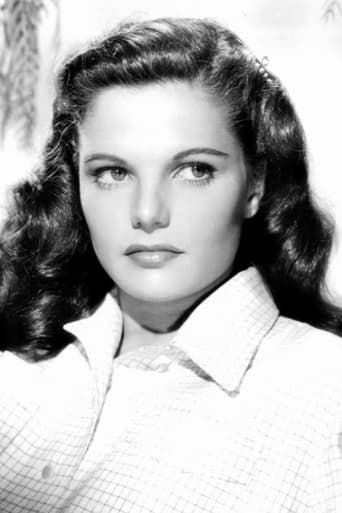
Geraldine Brooks (born Geraldine Stroock; October 29, 1925 – June 19, 1977) was an American actress whose three-decade career on stage as well as in films and on television was noted with nominations for an Emmy in 1962 and a Tony in 1970. She was married to author Budd Schulberg. Brooks was born in New York City, the daughter of Lawrie Brooks, an American big-band singer, and Gloria, a public re…

Known For

Cry WolfCry Wolf · 1947
Cry Wolf
6.11947
MovieThrillerMystery
A woman uncovers deadly secrets when she visits her late husband's family.
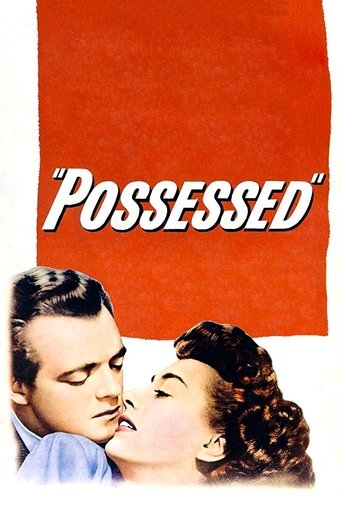
PossessedPossessed · 1947
Possessed
6.91947
MovieDramaThriller
After being found wandering the streets of Los Angeles, a severely catatonic woman tells a doctor the complex story of how she wound up there.
The Reckless MomentThe Reckless Moment · 1949
The Reckless Moment
6.81949
MovieDramaThriller
After discovering the dead body of her teenage daughter's lover, a housewife takes desperate measures to protect her family from scandal.
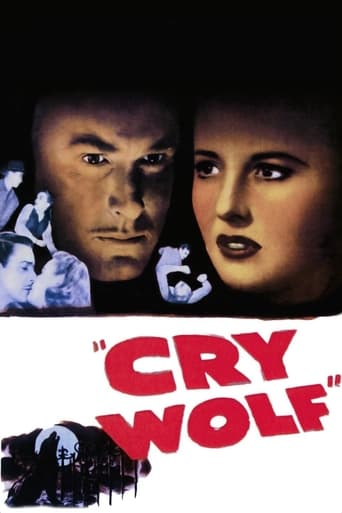
Streets of SorrowStreets of Sorrow · 1950
Streets of Sorrow
7.01950
MovieDramaRomance
A magistrate saves a young woman from drowning and they fall in love.
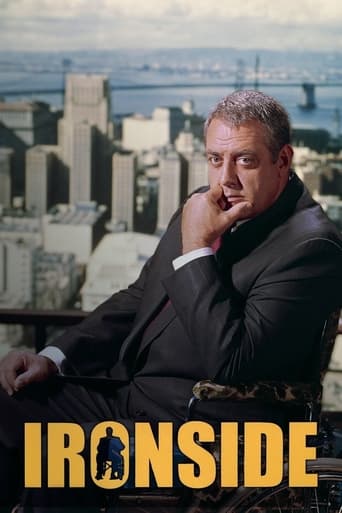
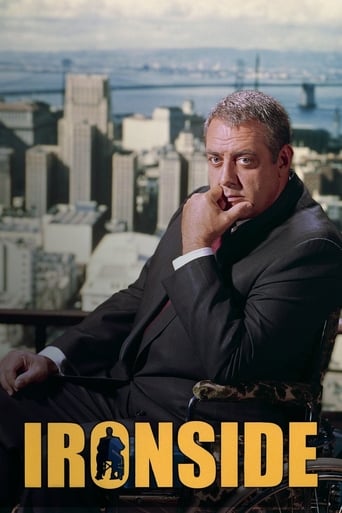
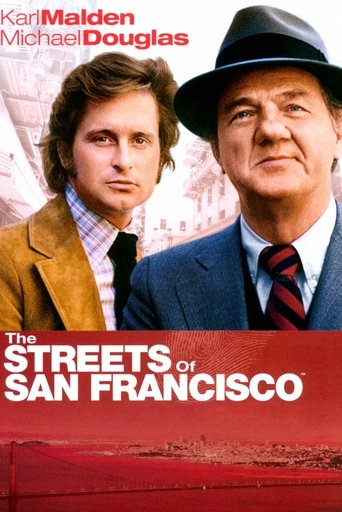
IronsideIronside · 1967
Ironside
6.01967
MovieCrimeDrama
Citizens of San Francisco are stunned by the news that Robert Ironside, the city's hard-nosed, tough-talking chief of detectives, has been shot and left for dead while vacationing at his friend the Police Commissioner's rural retreat. Ironside survives the murder attempt, but the bullet has damaged nerves in his spine, leaving him a paraplegic. Unable to gain reinstatement as chief of detectives, Ironside gets permission to continue investigating criminal cases as a citizen volunteer. With the assistance of two former protegees, Det. Sgt. Ed Brown and Officer Eve Whitfield, and a newly-hired aide/driver, Mark Sanger, Ironside sets out to solve his first case as a civilian by finding the people responsible for the attempt on his life.
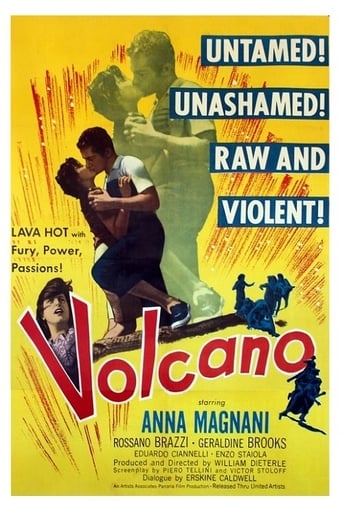
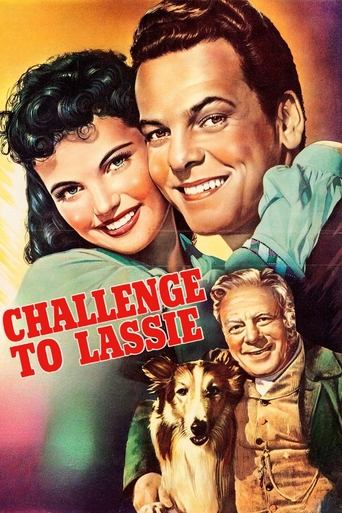
Challenge to LassieChallenge to Lassie · 1949
Challenge to Lassie
5.51949
MovieActionFamily
When Lassie's master dies, an old friend tries to convince a judge that the dog's life should be spared.
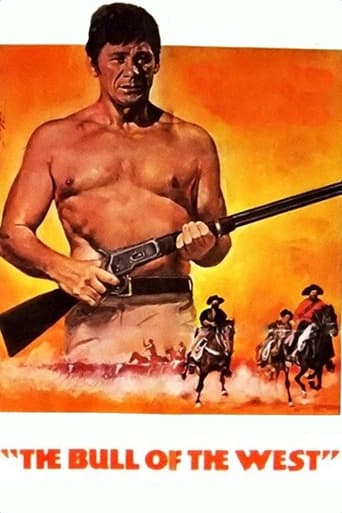
The Bull of the WestThe Bull of the West · 1972
The Bull of the West
5.71972
MovieWesternTV Movie
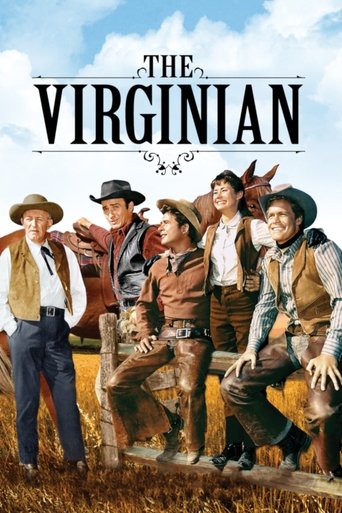
Two episodes of the TV series "The Virginian" edited together: "Duel at Shiloh" (2 Jan. 1963) and "Nobility of Kings" (10 Nov. 1965).
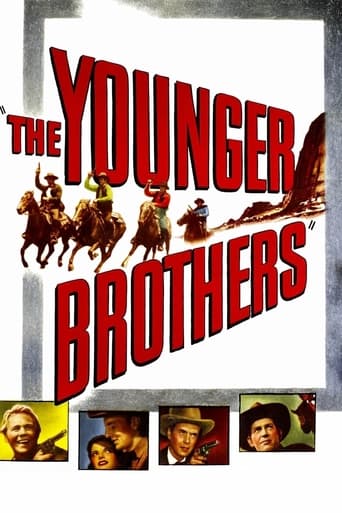
The Younger BrothersThe Younger Brothers · 1949
The Younger Brothers
7.51949
MovieWestern
Brothers who rode with a notorious outlaw gang led by Frank and Jesse James decide to go straight and try to get pardons so they can return to a law-abiding life.
Filmography

Sort
IronsideIronside · 1967
Ironside
6.01967
MovieCrimeDrama
Citizens of San Francisco are stunned by the news that Robert Ironside, the city's hard-nosed, tough-talking chief of detectives, has been shot and left for dead while vacationing at his friend the Police Commissioner's rural retreat. Ironside survives the murder attempt, but the bullet has damaged nerves in his spine, leaving him a paraplegic. Unable to gain reinstatement as chief of detectives, Ironside gets permission to continue investigating criminal cases as a citizen volunteer. With the assistance of two former protegees, Det. Sgt. Ed Brown and Officer Eve Whitfield, and a newly-hired aide/driver, Mark Sanger, Ironside sets out to solve his first case as a civilian by finding the people responsible for the attempt on his life.

Honor Thompson

Mr. RiccoMr. Ricco · 1975
Mr. Ricco
6.21975
MovieActionComedy
Accused murderer Frankie Steele walks free, thanks to the efforts of San Francisco defense lawyer Joe Ricco. Then a pair of cop killings strikes the city. All signs point to the newly released Steele as the perpetrator. Has Ricco sprung a killer? Dean Martin keeps his affable ease but abandons his hipster Matt Helm-series swagger to portray Ricco in his final leading-role film, a whodunit mystery set in the city that also was the gritty center of action for the era’s Bullitt and Dirty Harry. Convinced that Steele isn’t behind the murders, Ricco launches an inquiry and runs up against a police lieutenant assigned to birddog him, evidence planted by a racist cop and several assassination attempts on Ricco himself. As the mystery deepens, so does the danger. And behind it all is someone the attorney never suspected. The pre-Laverne & Shirley Cindy Williams plays Ricco’s office assistant.

Katherine Fremont

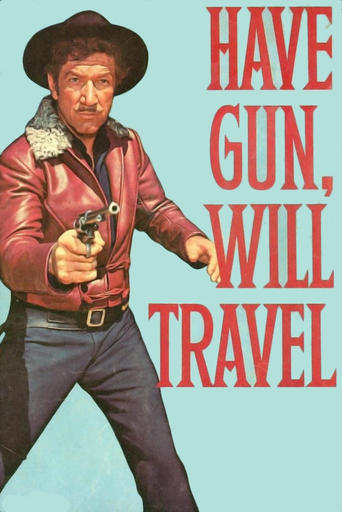
Have Gun, Will TravelHave Gun, Will Travel · 1957
Have Gun, Will Travel
7.31957
SeriesWesternAction & Adventure
Have Gun – Will Travel is an American Western television series that aired on CBS from 1957 through 1963. It was rated number three or number four in the Nielsen ratings every year of its first four seasons. It was one of the few television shows to spawn a successful radio version. The radio series debuted November 23, 1958. The television show is presently shown on the Encore-Western channel. Have Gun – Will Travel was created by Sam Rolfe and Herb Meadow and produced by Frank Pierson, Don Ingalls, Robert Sparks, and Julian Claman. There were 225 episodes of the TV series, 24 written by Gene Roddenberry. Other contributors included Bruce Geller, Harry Julian Fink, Don Brinkley and Irving Wallace. Andrew McLaglen directed 101 episodes and 19 were directed by series star Richard Boone.
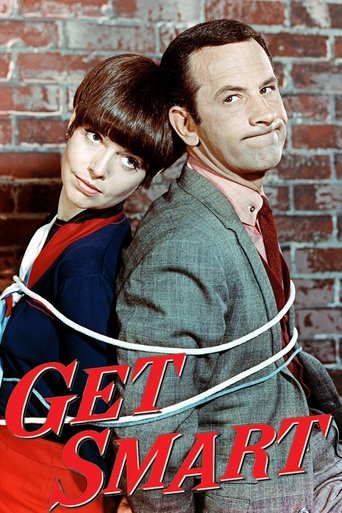
Get SmartGet Smart · 1965
Get Smart
8.01965
SeriesComedySci-Fi & Fantasy
Get Smart is an American comedy television series that satirizes the secret agent genre. Created by Mel Brooks with Buck Henry, the show stars Don Adams, Barbara Feldon, and Edward Platt. Henry said they created the show by request of Daniel Melnick, who was a partner, along with Leonard Stern and David Susskind, of the show's production company, Talent Associates, to capitalize on "the two biggest things in the entertainment world today"—James Bond and Inspector Clouseau. Brooks said: "It's an insane combination of James Bond and Mel Brooks comedy." This is the only Mel Brooks production to feature a laugh track. The success of the show eventually spawned the follow-up films The Nude Bomb and Get Smart, Again!, as well as a 1995 revival series and a 2008 film remake. In 2010, TV Guide ranked Get Smart's opening title sequence at No. 2 on its list of TV's Top 10 Credits Sequences, as selected by readers.

Tracy Dunhill

Daniel BooneDaniel Boone · 1964
Daniel Boone
7.01964
SeriesAction & AdventureWestern
Daniel Boone is an American action-adventure television series starring Fess Parker as Daniel Boone that aired from September 24, 1964 to September 10, 1970 on NBC for 165 episodes, and was made by 20th Century Fox Television. Ed Ames co-starred as Mingo, Boone's Cherokee friend, for the first four seasons of the series. Albert Salmi portrayed Boone's companion Yadkin in season one only. Dallas McKennon portrayed innkeeper Cincinnatus. Country Western singer-actor Jimmy Dean was a featured actor as Josh Clements during the 1968–1970 seasons. Actor and former NFL football player Rosey Grier made regular appearances as Gabe Cooper in the 1969 to 1970 season. The show was broadcast "in living color" beginning in fall 1965, the second season, and was shot entirely in California and Kanab, Utah.

Esther Craig

Lights OutLights Out · 1949
Lights Out
6.01949
SeriesSci-Fi & FantasyCrime
Lights Out was an extremely popular American old-time radio program, an early example of a network series devoted mostly to horror and the supernatural, predating Suspense and Inner Sanctum. Versions of Lights Out aired on different networks, at various times, from January 1934 to the summer of 1947 and the series eventually made the transition to television. In 1946, NBC Television brought Lights Out to TV in a series of four specials, broadcast live and produced by Fred Coe, who also contributed three of the scripts. NBC asked Cooper to write the script for the premiere, "First Person Singular", which is told entirely from the point of view of an unseen murderer who kills his obnoxious wife and winds up being executed. Variety gave this first episode a rave review ("undoubtedly one of the best dramatic shows yet seen on a television screen"), but Lights Out did not become a regular NBC-TV series until 1949.