Acting
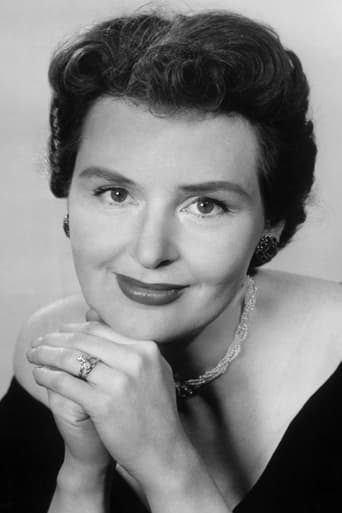
Frances Reid
Born December 9, 1914 · Wichita Falls, Texas, USA
Died February 3, 2010 · aged 95
Frances Reid was an American stage and screen actress. Her Broadway debut was as Juliette Lecourtois in "Where There's a Will There's a Way" at the John Golden Theatre in 1939. She was a member of The Actors Studio from its inception in 1947.
Known For
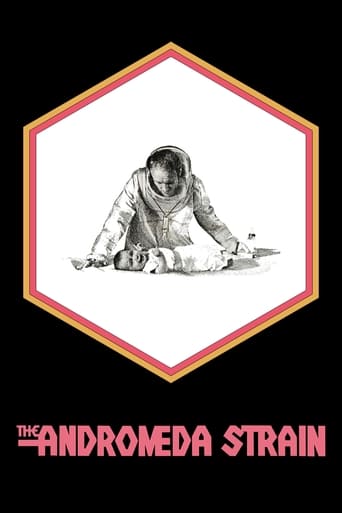 The Andromeda Strain · 1971
The Andromeda Strain
★ 7.01971
MovieScience FictionThriller
When virtually all of the residents of Piedmont, New Mexico are found dead after the return to Earth of a space satellite, the head of the US Air Force's Project Scoop declares an emergency. A group of eminent scientists led by Dr. Jeremy Stone scrambles to a secure laboratory and tries first to isolate the life form while determining why two people from Piedmont - an old alcoholic and a six-month-old baby - survived. The scientists methodically study the alien life form, unaware that it has already mutated and presents a far greater danger in the lab, which is equipped with a nuclear self-destruct device designed to prevent the escape of dangerous biological agents.
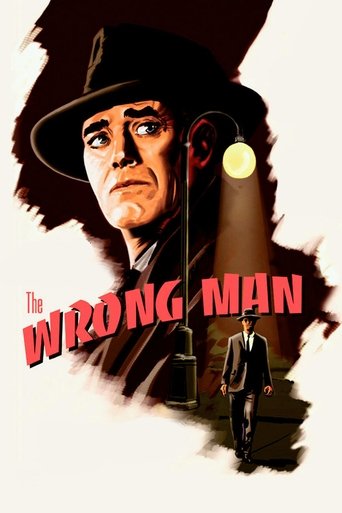 The Wrong Man · 1956
The Wrong Man
★ 7.11956
MovieCrimeDrama
In 1953, an innocent man named Christopher Emmanuel "Manny" Balestrero is arrested after being mistaken for an armed robber.
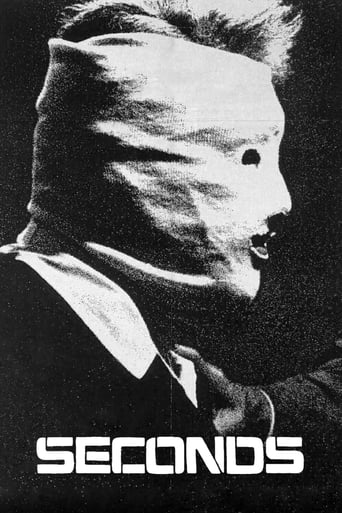 Seconds · 1966
Seconds
★ 7.41966
MovieScience FictionThriller
An unhappy middle-aged banker agrees to a procedure that will fake his death and give him a completely new look and identity; one that comes with its own price.
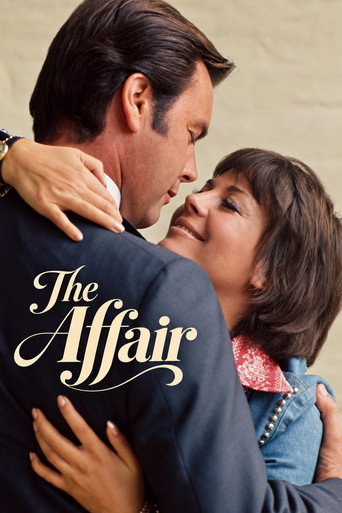 The Affair · 1973
The Affair
★ 3.81973
MovieDramaRomance
A crippled lady songwriter meets an older lawyer who becomes her first love.
 A Criminal at Large · 1939
A Criminal at Large
1939
MovieCrimeThriller
At Marks Priory, Lady Lebanon is eager for her son, Lord William Lebanon, to marry Isla Crane, his cousin. But Isla is reluctant to do so, and is also frightened by the two footmen of the household who she suspects of locking her in her room at night. Following a village dance, the household's chauffeur is found strangled with an Indian scarf.
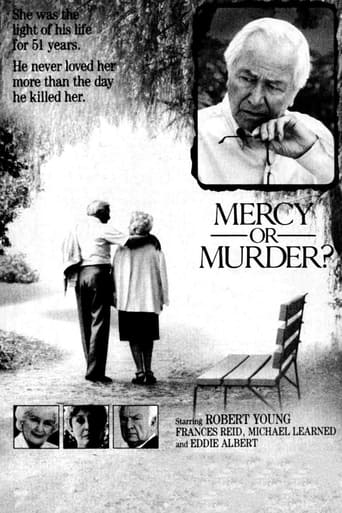 Mercy or Murder? · 1987
Mercy or Murder?
★ 10.01987
MovieTV MovieDrama
Roswell and Emily Gilbert were married for fifty-one years, but for the eight final years of their marriage Emily suffered from Alzheimer's disease and the bone disease osteoporosis. Often in pain, Emily begged to die. In March 1985, 75-year-old Roswell shot Emily in the head. He said it was an act of mercy, but he was tried for murder and convicted as the nation debated euthanasia.
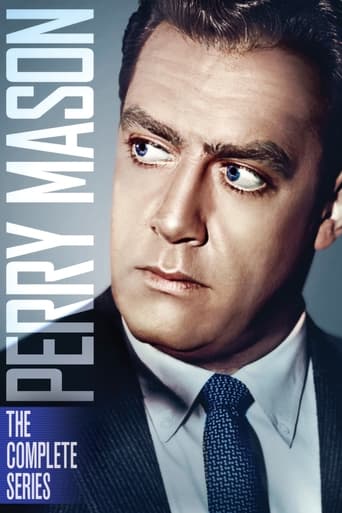 Perry Mason · 1957
Perry Mason
★ 7.71957
SeriesMysteryDrama
The cases of master criminal defense attorney Perry Mason and his staff who handled the most difficult of cases in the aid of the innocent.
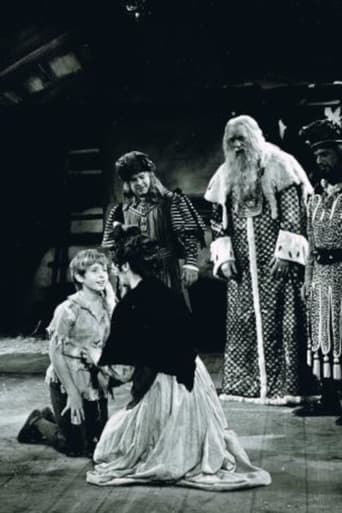 Matinee Theater · 1955
Matinee Theater
★ 5.31955
SeriesDrama
Matinee Theater is an American anthology series that aired on NBC during the Golden Age of Television, from 1955 to 1958. The series, which ran daily in the afternoon, was frequently live. It was produced by Albert McCleery, Darrell Ross, George Cahan and Frank Price with executive producer George Lowther. McCleery had previously produced the live series Cameo Theatre which introduced to television the concept of theater-in-the-round, TV plays staged with minimal sets.
Jim Buckley of the Pewter Plough Playhouse recalled:
When Al McCleery got back to the States, he originated a most ambitious theatrical TV series for NBC called Matinee Theater: to televise five different stage plays per week live, airing around noon in order to promote color TV to the American housewife as she labored over her ironing. Al was the producer. He hired five directors and five art directors. Richard Bennett, one of our first early presidents of the Pewter Plough Corporation, was one of the directors and I was one of the art directors and, as soon as we were through televising one play, we had lunch and then met to plan next week’s show. That was over 50 years ago, and I’m trying to think; I believe the TV art director is his own set decorator —yes, of course! It had to be, since one of McCleery’s chief claims to favor with the producers was his elimination of the setting per se and simply decorating the scene with a minimum of props. It took a bit of ingenuity.