Acting
Sara Haden
Born November 16, 1898 · Galveston, Texas, USA
Died September 15, 1981 · aged 82
From Wikipedia, the free encyclopedia Sara Haden (born Catherine Haden, November 17, 1898 – September 15, 1981) was a character actress in Hollywood films of the 1930s through the 1950s and in television into the mid-1960s. She may be best remembered for appearing as Aunt Milly Forrest in thirteen entries in MGM's Andy Hardy film series. Haden first appeared on the stage in the early 1920s. As e…
Known For
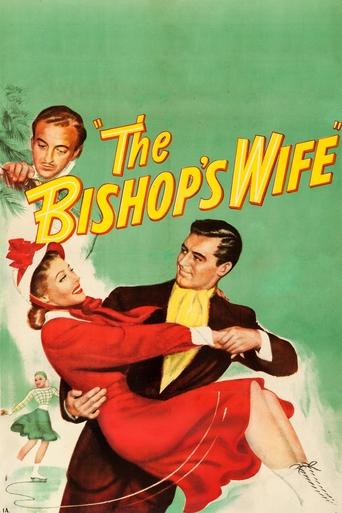 The Bishop's Wife · 1947
The Bishop's Wife
★ 7.11947
MovieComedyFantasy
An Episcopal Bishop, Henry Brougham, has been working for months on the plans for an elaborate new cathedral which he hopes will be paid for primarily by a wealthy, stubborn widow. He is losing sight of his family and of why he became a churchman in the first place. Enter Dudley, an angel sent to help him. Dudley does help everyone he meets, but not necessarily in the way they would have preferred. With the exception of Henry, everyone loves him, but Henry begins to believe that Dudley is there to replace him, both at work and in his family's affections, as Christmas approaches.
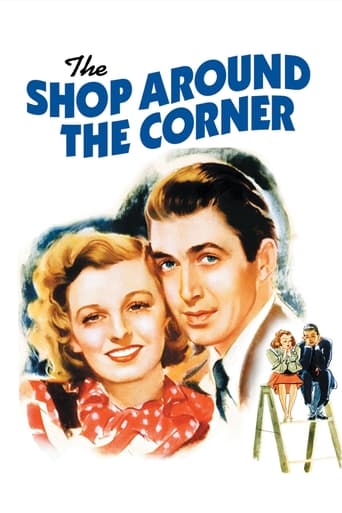 The Shop Around the Corner · 1940
The Shop Around the Corner
★ 8.11940
MovieComedyDrama
Two employees at a gift shop can barely stand one another, without realising that they are falling in love through the post as each other's anonymous pen pal.
 Andy Hardy Comes Home · 1958
Andy Hardy Comes Home
★ 5.01958
MovieComedy
Andy Hardy, now a grown man with a wife and children, returns to his hometown on a business trip and finds himself getting mixed up in local politics.
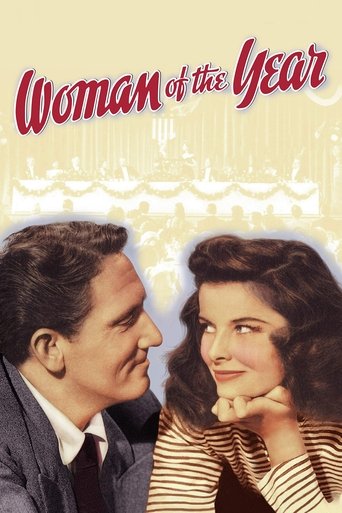 Woman of the Year · 1942
Woman of the Year
★ 7.01942
MovieComedyRomance
Rival reporters Sam Craig and Tess Harding fall in love and get married, only to find their relationship strained when Sam comes to resent Tess' hectic lifestyle.
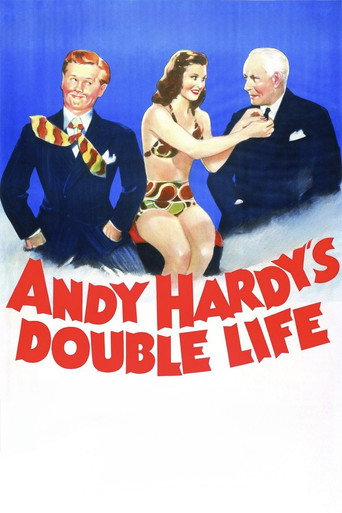 Andy Hardy's Double Life · 1942
Andy Hardy's Double Life
★ 5.01942
MovieComedyFamily
Andy is about to head off to college but he's got a few things to take care of before leaving. For starters, he must try and sell his junk car for $20 to pay for a bill and he must convince his father not to go with him to college. Worst of all is that Polly wants to make up but her best friend decides to give Andy a test.
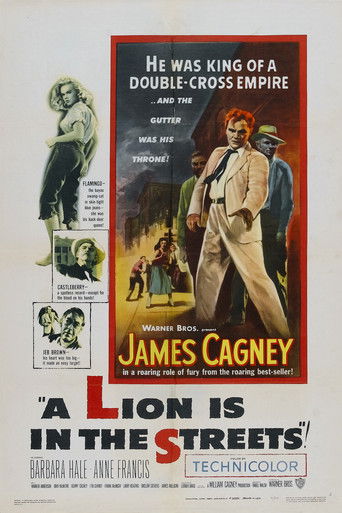 A Lion Is in the Streets · 1953
A Lion Is in the Streets
★ 5.41953
MovieDrama
A charismatic peddler from the Bayous finds his true calling in politics. Is he a demagogue in the making?
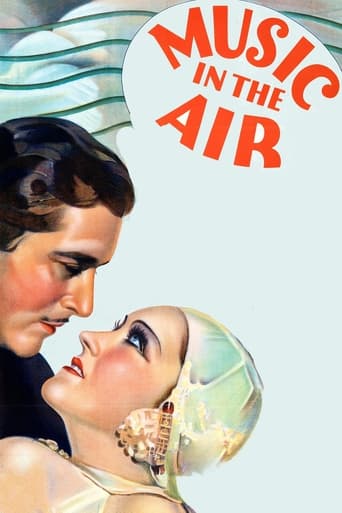 Music in the Air · 1934
Music in the Air
★ 5.61934
MovieComedyRomance
A songwriter's young daughter (June Lang) begins to dream of stardom when she's offered the lead role in a new operetta.
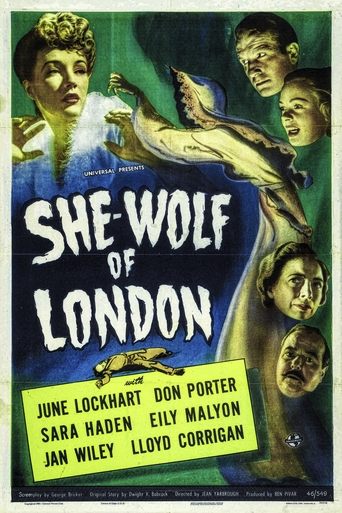 She-Wolf of London · 1946
She-Wolf of London
★ 5.61946
MovieMysteryHorror
A young heiress finds evidence suggesting that at night she acts under the influence of a family curse and has begun committing ghastly murders in a nearby park.
Filmography
Sort
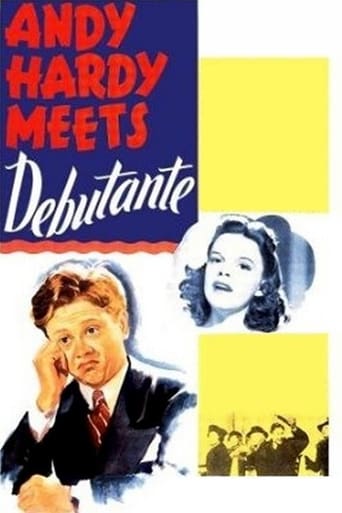
 Love Crazy · 1941
Love Crazy
★ 6.81941
MovieComedyRomance
Circumstance, an old flame and a mother-in-law drive a happily married couple to the verge of divorce and insanity.
Miss Cecilia Landis