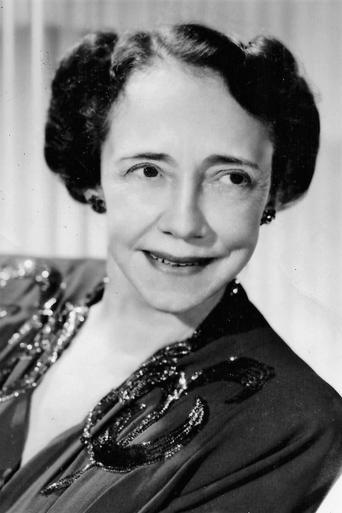
Acting
Elizabeth Patterson
Born November 21, 1874 · Savannah, Tennessee, USA
Died January 31, 1966 · aged 91
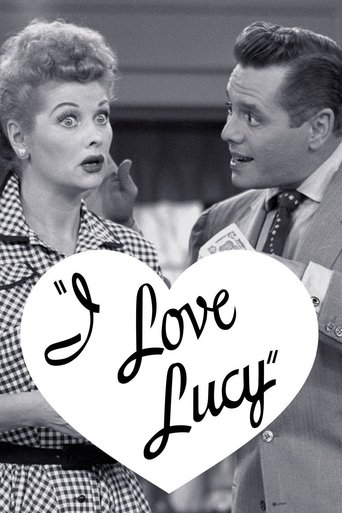
From Wikipedia, the free encyclopedia Mary Elizabeth Patterson (November 22, 1874 – January 31, 1966) was an American theatre, film, and television character actress who gained popular recognition late in her career playing the elderly neighbor Matilda Trumbull on the television comedy series I Love Lucy. In 1926, at the age of 51, Patterson was cast in her first movie, a silent film, The Boy Fr…
Known For
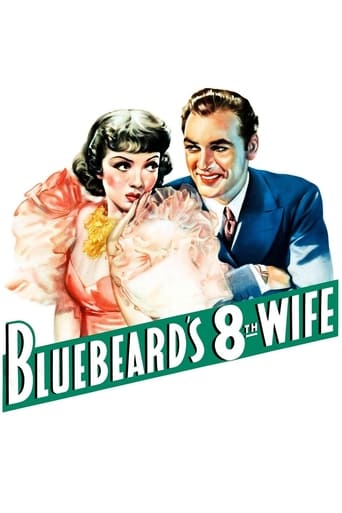 Bluebeard's Eighth Wife · 1938
Bluebeard's Eighth Wife
★ 7.01938
MovieComedyRomance
American multi-millionaire Michael Brandon marries his eighth wife, Nicole, the daughter of a broke French Marquis. But she doesn't want to be only a number in the line of his ex-wives and undertakes her own strategy to tame him.
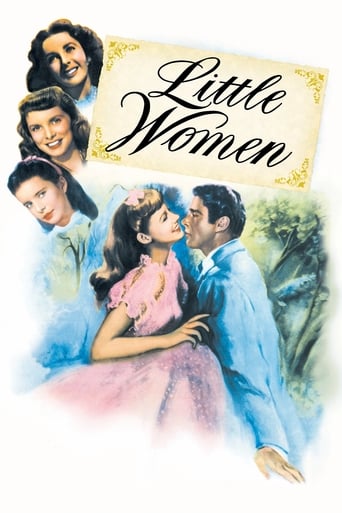 Little Women · 1949
Little Women
★ 7.41949
MovieRomanceDrama
Four sisters come of age in America in the aftermath of the Civil War.
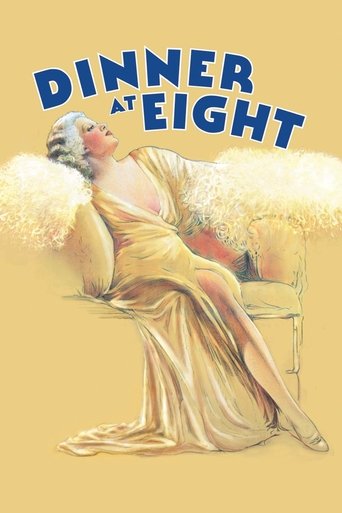 Dinner at Eight · 1933
Dinner at Eight
★ 6.81933
MovieComedyDrama
An ambitious New York socialite plans an extravagant dinner party as her businessman husband, Oliver, contends with financial woes, causing a lot of tension between the couple. Meanwhile, their high-society friends and associates, including the gruff Dan Packard and his sultry spouse, Kitty, contend with their own entanglements, leading to revelations at the much-anticipated dinner.
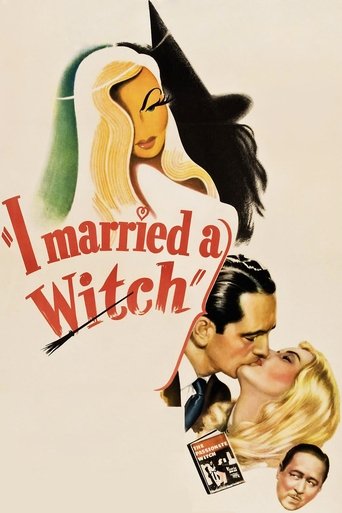 I Married a Witch · 1942
I Married a Witch
★ 6.91942
MovieRomanceFantasy
A 17th-century witch returns to wreak havoc in the life of a descendant of the Puritan witch hunter who burned her, but runs afoul of her father when she discovers that her mischief might have found her true love.
 The Cat and the Canary · 1939
The Cat and the Canary
★ 6.91939
MovieComedyHorror
A group of potential heirs gather in a forbidding old house to learn which of them will inherit a fortune. Later, they learn that a flesh-rending maniac is loose.
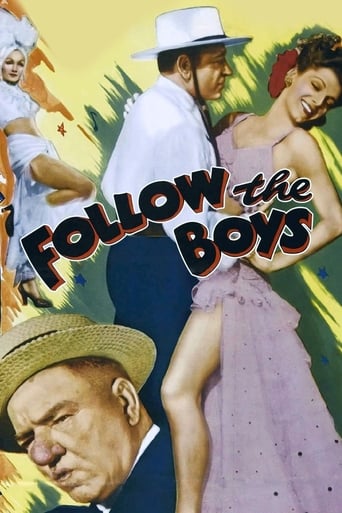 Follow the Boys · 1944
Follow the Boys
★ 5.71944
MovieMusicComedy
During World War II, all the studios put out "all-star" vehicles which featured virtually every star on the lot--often playing themselves--in musical numbers and comedy skits, and were meant as morale-boosters to both the troops overseas and the civilians at home. This was Universal Pictures' effort. It features everyone from Donald O'Connor to the Andrews Sisters to Orson Welles to W.C. Fields to George Raft to Marlene Dietrich, and dozens of other Universal players.
 Remember the Night · 1940
Remember the Night
★ 7.31940
MovieComedyRomance
Unexpected love blossoms when an assistant district attorney agrees to take a recidivist shoplifter home so she doesn't have to spend Christmas alone in jail.
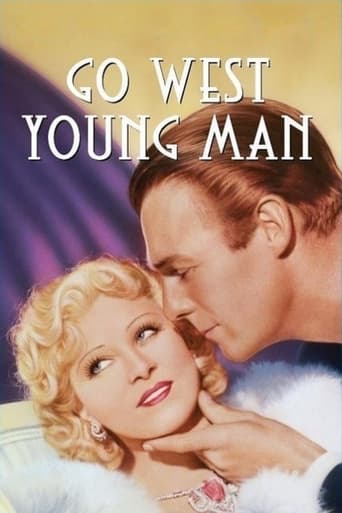 Go West Young Man · 1936
Go West Young Man
★ 5.51936
MovieComedy
Sensational movie star Mavis Arden's following spans the world and her personal appearance tours prove her popularity. On her way home from one such appearance, Mavis' car breaks down. She orders her publicity agent to find her a place to stay, suspicious that he planned the breakdown to keep her away from a man. However, she soon finds herself mooning over an attractive local repairman and listening to his ideas about inventing equipment for film.