E
Camera
Ed Bowes
Born December 7, 1944 · New York City, New York, USA (age 81)
No biography available.
Known For
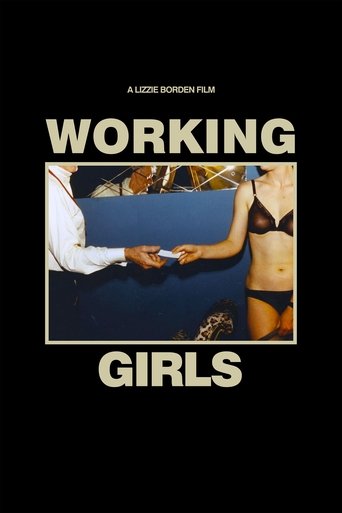 Working Girls · 1987
Working Girls
★ 6.21987
MovieDrama
A lesbian college graduate, trying to bankroll her own photography business, works as a high-priced New York City escort.
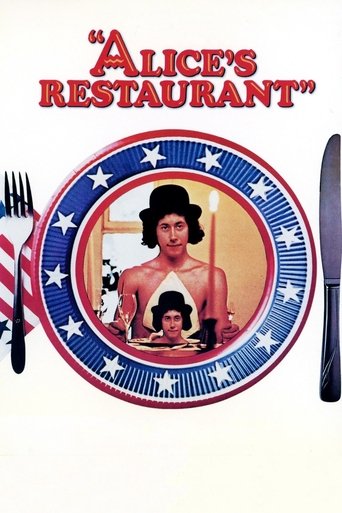 Alice's Restaurant · 1969
Alice's Restaurant
★ 6.21969
MovieDramaComedy
After getting kicked out of college, Arlo decides to visit his friend Alice for Thanksgiving dinner. After dinner is over, Arlo volunteers to take the trash to the dump but finds it closed for the holiday, so he dumps the trash in the bottom of a ravine. This act of littering gets him arrested and sends him on a bizarre journey.
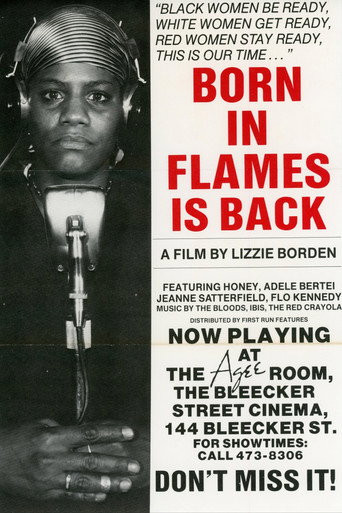 Born in Flames · 1983
Born in Flames
★ 6.21983
MovieDramaScience Fiction
In near-future New York, ten years after the “social-democratic war of liberation,” diverse groups of women organize a feminist uprising as equality remains unfulfilled.
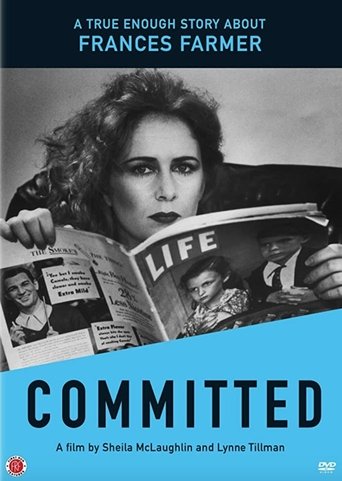 Committed · 1984
Committed
★ 8.01984
MovieDrama
Stylized, black and white biography of Frances Farmer by author Lynne Tillman and Sheila McLauglin.
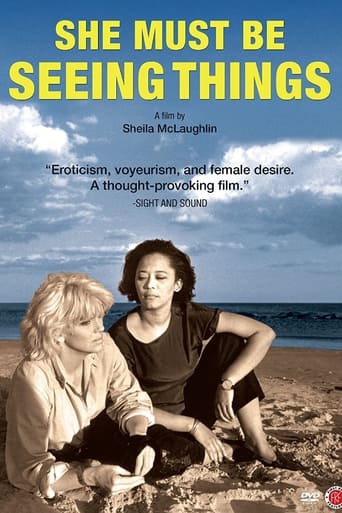 She Must Be Seeing Things · 1988
She Must Be Seeing Things
★ 5.51988
MovieDrama
Agatha is an international lawyer, Jo a filmmaker. The two women are lovers. While Jo is on the road showing her films, Agatha discovers and reads her diaries. Problems ensue as Agatha's transgressions lead to jealousy and a spiraling cycle of sexual obsession.
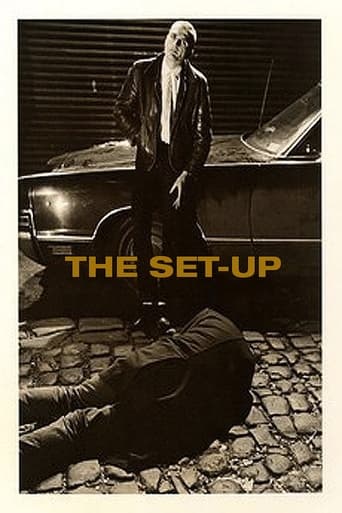 The Set-Up · 1978
The Set-Up
★ 8.01978
MovieDramaAction
The Set-Up is Kathryn Bigelow's student film at Columbia about the exploration of 'why violence in cinematic form is so seductive'. It featured two men beating each other to a pulp in a dark alley, while two professors analyzed the philosophy of it all on the soundtrack.
 Better, Stronger · 1978
Better, Stronger
1978
Movie
BETTER, STRONGER stands in contrast to the lilting pace of ROMANCE. It begins with an intense monologue by its main character, Lana (Karen Achenbach), which continues at a fairly relentless pace throughout. It is not a seductive story like ROMANCE, but an aggressive one that often jabs and pokes at the audience. Lana’s character is a high-energy, talkative actress who has returned to New York from California for a brief visit. She visits her family and cousins, who are a rowdy and obnoxious bunch, and storms from one scene to another. […] Bowes made BETTER, STRONGER as an artist-in-residence at the Television Laboratory at WNET/Thirteen. The tape is distinguished by its preoccupation with and relentless poetic use of language. […] While BETTER, STRONGER, like ROMANCE, would seem to have a direct plot line, Bowes has structured the action loosely with no central crisis or resolution. — Marita Sturken, “Television Fictions: An Interview with Ed Bowes,” AFTERIMAGE (May 1986)
 The Red Tapes · 1977
The Red Tapes
1977
Movie
A three-part video epic in which avant-garde artist Vito Acconci explores the relationship between the self and national mythology. Through multiple vignettes, Acconci brings together a collage of music, photographs, diorama, experimental theater and his own profile, to tell a semi-autobiographical narrative that, in turn, becomes a critique of the alienated quality of American mythology.