Acting
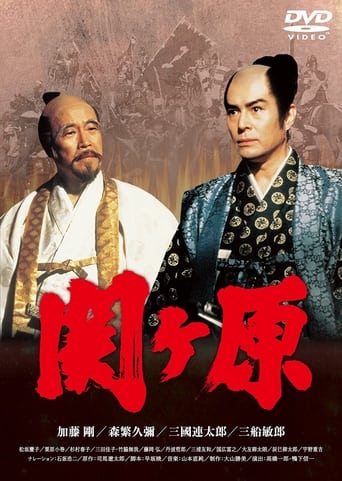
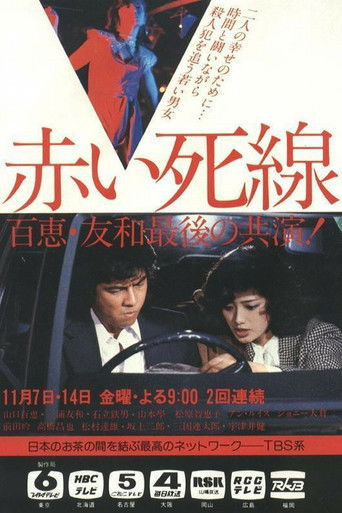
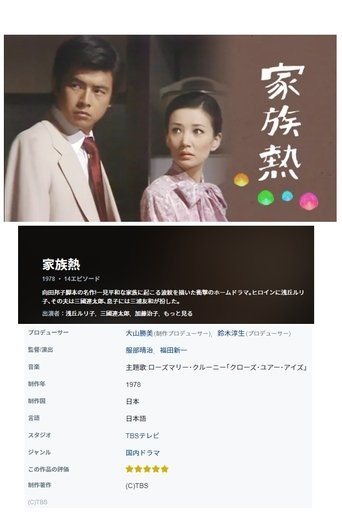
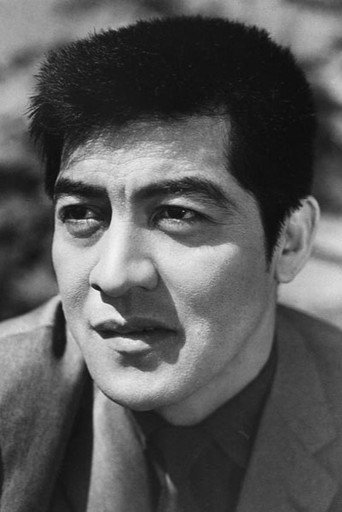
Rentaro Mikuni
Born January 20, 1923 · Ota, Gunma, Japan
Died April 14, 2013 · aged 90
Rentaro Mikuni (三國 連太郎, Mikuni Rentarō, January 20, 1923-April 14, 2013) was a Japanese actor from Gunma Prefecture. He appeared in over 150 films since making his screen debut in 1951, and won three Japanese Academy Awards for Best Actor, and a further seven nominations. He also won two Blue Ribbon Awards for Best Actor, in 1960 and in 1989. Kōichi Satō is his son. Description above from the Wik…
Known For
 Harakiri · 1962
Harakiri
★ 8.51962
MovieActionDrama
Down-on-his-luck veteran Tsugumo Hanshirō enters the courtyard of the prosperous House of Iyi. Unemployed, and with no family, he hopes to find a place to commit seppuku—and a worthy second to deliver the coup de grâce in his suicide ritual. The senior counselor for the Iyi clan questions the ronin’s resolve and integrity, suspecting Hanshirō of seeking charity rather than an honorable end. What follows is a pair of interlocking stories which lay bare the difference between honor and respect, and promises to examine the legendary foundations of the Samurai code.
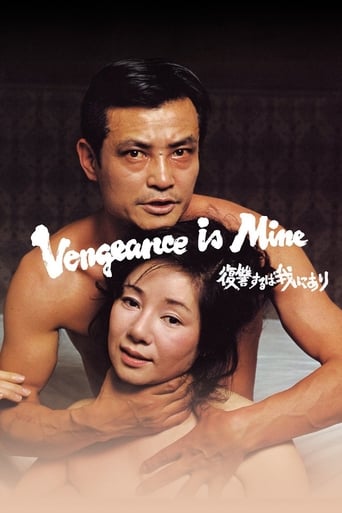 Vengeance Is Mine · 1979
Vengeance Is Mine
★ 7.51979
MovieCrimeDrama
A thief, a murderer, and a charming lady-killer, Iwao Enokizu is on the run from the police.
 Kwaidan · 1965
Kwaidan
★ 7.71965
MovieHorrorFantasy
Taking its title from an archaic Japanese word meaning "ghost story," this anthology adapts four folk tales. A penniless samurai marries for money with tragic results. A man stranded in a blizzard is saved by Yuki the Snow Maiden, but his rescue comes at a cost. Blind musician Hoichi is forced to perform for an audience of ghosts. An author relates the story of a samurai who sees another warrior's reflection in his teacup.
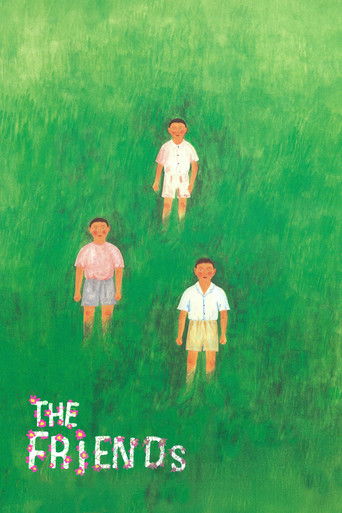 The Friends · 1994
The Friends
★ 7.01994
MovieDrama
A delightful and moving coming-of-age story. One summer, three young boys take an increasing interest in an eccentric old man who lives alone in a house surrounded by an overgrown garden. The boys form a bond with the recluse and set about weeding and replanting the garden.
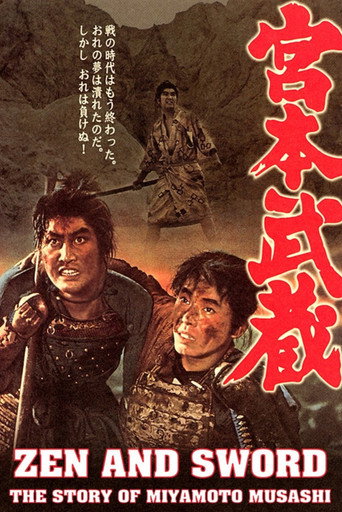
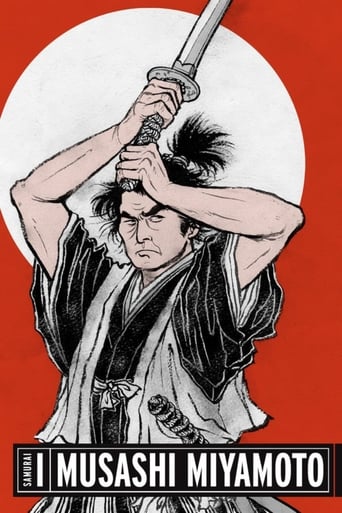 Samurai I: Musashi Miyamoto · 1954
Samurai I: Musashi Miyamoto
★ 7.21954
MovieDramaAction
Struggling to elevate himself from his low caste in 17th century Japan, Miyamoto trains to become a mighty samurai warrior.
 A Fugitive from the Past · 1965
A Fugitive from the Past
★ 7.31965
MovieCrimeDrama
Three robbers escape with loot from a heist before one of them kills the others. Their corpses wash up near the aftermath of a maritime calamity, provoking a policeman's interest.
 The Burmese Harp · 1956
The Burmese Harp
★ 7.81956
MovieDramaWar
In Burma during the closing days of WWII, a Japanese soldier separated from his unit disguises himself as a Buddhist monk to escape imprisonment as a POW.
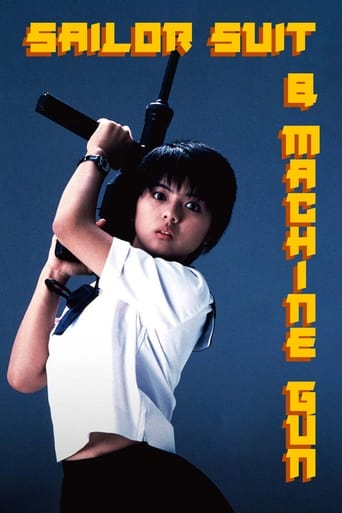 Sailor Suit and Machine Gun · 1981
Sailor Suit and Machine Gun
★ 7.01981
MovieDramaAction
A high-school girl inherits a declining yakuza organization, which seeks to repair its fortunes under her leadership.