Writing
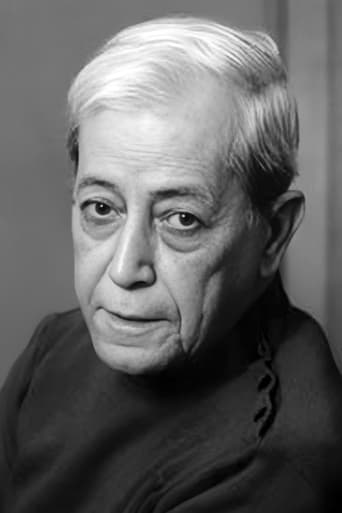
Mohammed Dib
Born January 1, 1920 · Tlemcen, Algeria
Died May 2, 2003 · aged 83
Mohammed Dib was born in 1920 in western Algeria in Tlemcen, a hometown to which he paid homage in his famous trilogy: La Grande Maison (1952), L’Incendie (1954) and Le Métier à tisser (1957). A schoolteacher for a time, then an accountant, translator, journalist at “Alger Républicain” and for the Communist Party organ “Liberté”, he was finally expelled from Algeria in 1959. He settled in France …
Known For
 Full Speed · 1996
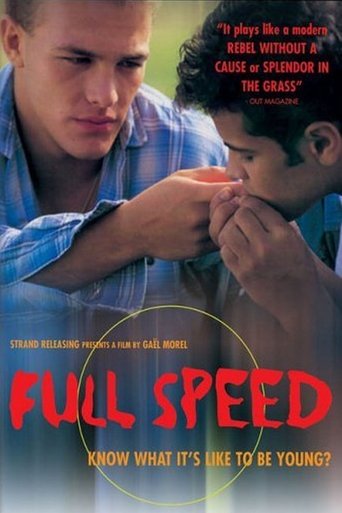
Full Speed
★ 5.21996
MovieRomanceDrama
A brief extract of four kids' lives somewhere in France. Quentin, who won a writers contest and now pays more attention to his career as an author than to his friends, beautiful Julie, his girl-friend, much more mature than she looks, falling in love with Quentin's very best friend Jimmy, who is kind of stuck in his unability of self-expression and grown up under bad social circumstances. And there is the shy boy Samir, exiled from Algeria, who lost his "brother" and only friend some time ago. Samir heavily falls in love with Quentin, but he can't handle it...
 Algeria 1954, The Revolt Of A Colonized · 1974
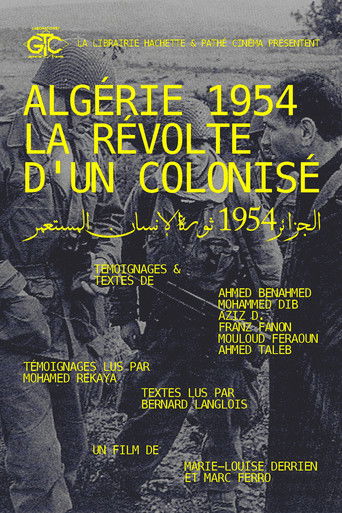
Algeria 1954, The Revolt Of A Colonized
★ 10.01974
MovieDocumentaryHistory
This film presents the point of view of an Arab from Algeria who rebels against colonization. He analyzes the process of awareness, the transition to revolt, to armed insurrection. Algeria and the settlers are seen through this lens and not the way a Frenchman saw the country. He gives voice to the Arabs at a time when this word was not heard: sometimes it was not even produced, at least publicly. The testimonies are based on real propositions, most of them were made to the author during his stay in Algeria from 1948 to 1956, then in 1958 and 1959. The comments are borrowed from the texts of Arab theorists of the revolution Algerian. This film thus completely evacuates the point of view of those who are not insurgents; he does not give the opinion of the colonists. It is the direct expression of what was the revolt of a colonized person: it thus constitutes the very type of the historical document.
 L’Incendie (El Harik) · 1974
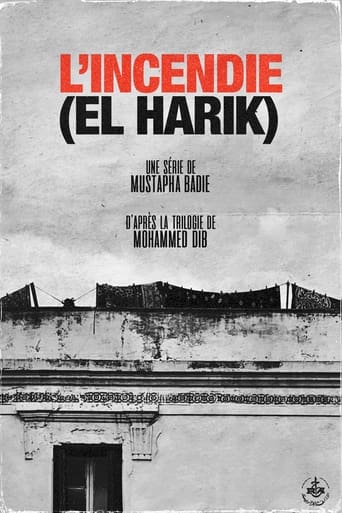
L’Incendie (El Harik)
★ 10.01974
SeriesDrama
In 1939 in eastern Algeria, Omar, a young boy of ten, lives with his family in a room in Dar Sbitar, a house shared by several families who overcome the trials they go through every day to ensure their subsistence. Her deceased father is Aïni, the mother, who bleeds herself from all four veins to keep her children and their grandmother alive. The families of Dar Sbitar share their intimacy and their daily life, this life animates the big house, which itself becomes a character in its own right. "El Harik" (The Fire), is an Algerian drama series in 10 episodes adapted from Mohamed Dib's trilogy "The Big House", "The Fire" and "The Loom".
Filmography
Sort