Writing
Atahualpa Lichy
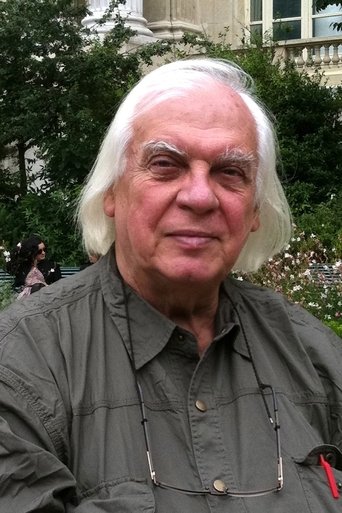
Jean Pierre Atahualpa Charles Lichy Verdier, best known as Atahualpa Lichy, is a Franco-Venezuelan filmmaker, known for his film Río Negro (1992). Born in Caracas, Venezuela. In 1956, he moved to Paris and became the assistant of Henry Langlois at the Cinémathèque Française. From 1969 to 1975, he participated in the creation and organization of the Directors’ Fortnight (Quinzaine des cinéastes) in…
Known For
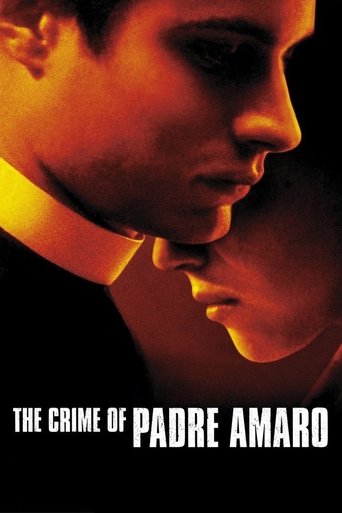 The Crime of Padre Amaro · 2002
The Crime of Padre Amaro
★ 6.72002
MovieDramaRomance
Sent to Mexico to help take care of aging Father Benito, young Father Amaro faces a moral challenge when he meets a 16-year-old girl who he starts an affair with. Likewise, the girl's mother had been having an affair with Father Benito. Father Amaro must choose between a holy or sinful life.
 Claves, 4: Memories of Cuban cinema · 1984
Claves, 4: Memories of Cuban cinema
1984
MovieDocumentary
Documentary in four parts on Latin American cinema. Fourth episode: in Cuba, the ICAIC, created in the aftermath of the Castro revolution, is at once a film school, a production company and a state cultural branch. Cuban filmmakers testify to the situation and themes specific to their national cinema.
Claves, 2: We will return younger · 1984Claves, 2: We will return younger
1984
MovieDocumentary
Documentary in four parts on Latin American cinema. Second episode, evoking the border between fiction and documentary. With his film Tire dié (1960), the Argentinian Fernando Birri proposed this manifesto: to create a realistic and critical national cinema, closer to society without falling into populism.
Claves, 1: How Tasty Was My Little Frenchman · 1984Claves, 1: How Tasty Was My Little Frenchman
1984
MovieDocumentary
Documentary in four parts on Latin American cinema. First episode: the influences of Cahiers du cinéma, the New Wave, Italian neorealism. In Brazil, Cinema Novo draws inspiration from these models while drawing on the historical and cultural singularity of the country. The documentary was awarded the Prix Makhila d’or at the Festival de Biarritz, France.
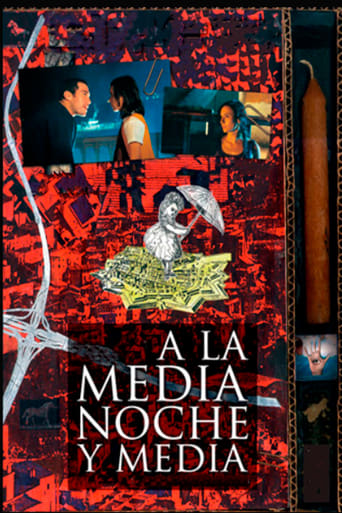 At Midnight and a Half · 1999
At Midnight and a Half
★ 6.81999
MovieScience FictionDrama
A huge wave is about to destroy the city. Many people leave in panic, only a few remain in the lonely streets. Among them are SEBASTIAN, a skeptical and irresolute young loner; ANA, a woman who seeks in others the passion she can’t live; and an apocalyptic GIRL. They turn the city into a games board where the stakes are love and the end of the world.
Claves, 3: Small mother country, great mother country · 1984Claves, 3: Small mother country, great mother country
1984
MovieDocumentary
Documentary in four parts on Latin American cinema. Third episode: from the 1960s, France and Europe showed a real enthusiasm for Latin American cinema, but the latter remained hampered by numerous economic and political obstacles.
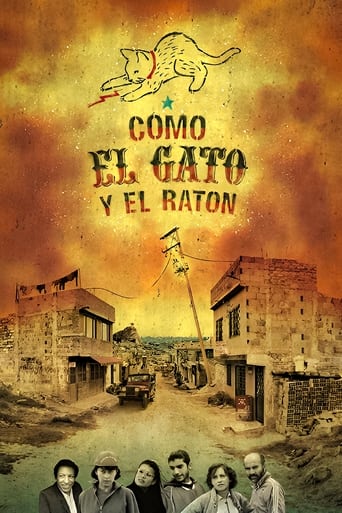 A Game of Cat and Mouse · 2002
A Game of Cat and Mouse
★ 8.12002
MovieComedy
The neighborhood La Estrella, in Bogotá, is inhabited by families displaced by the violence. Before the event which is the arrival of the electric light, that night there is a celebration. Cristancho and Brochero families, neighbors, friends and leaders of La Estrella, will be involved in a series of incidents and jokes.
 Les salons de Baudelaire · 1970
Les salons de Baudelaire
1970
MovieDocumentary
Long panoramic shots and tracking shots in the Louvre Museum, the Hôtel de Lauzun or the Petit Palais allow us to discover the works of Delacroix, Horace Vernet, David, Ingres, Courbet, Manet, etc. An actor reads excerpts from Baudelaire's Salons where he expresses admiration or detestation. (source: Canopé)
Filmography
Sort