
Acting
Adolfo Marsillach
Born January 25, 1928 · Barcelona, Barcelona, Catalonia, Spain
Died January 21, 2002 · aged 73
Adolfo Marsillach i Soriano (Barcelona, January 25, 1928 - Madrid, January 21, 2002)
Known For
 The Black Tulip · 1964
The Black Tulip
★ 6.31964
MovieAdventure
Aristocrat Guillaume de Saint Preux leads a double life as a masked bandit known as the Black Tulip. The Black Tulip only robs rich aristocrats, so the local peasants regard him as a hero. Baron La Mouche is convinced Guillaume is the Tulip. During a robbery, he scars the Tulip's face, and hopes to use this to expose Guillaume, but Guillaume is one step ahead.
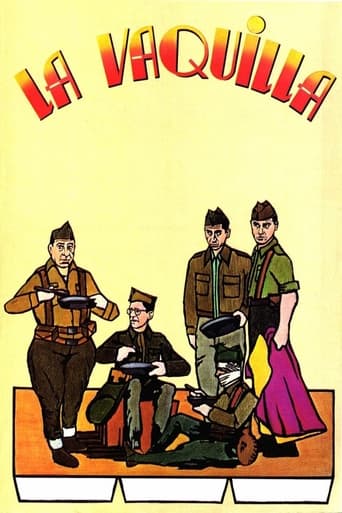 The Heifer · 1985
The Heifer
★ 6.71985
MovieComedyWar
During the Spanish Civil War a platoon of mismatched Republican soldiers cross the front-line to steal the bull that the enemy is going to fight on the local holiday of the nearby village. In addition to ruining the Nationalist faction's celebration they want the animal in order to butcher it and feed their famished troops. They get caught in the process and have to go through a series of funny and pathetic incidents before they can get back to their side.
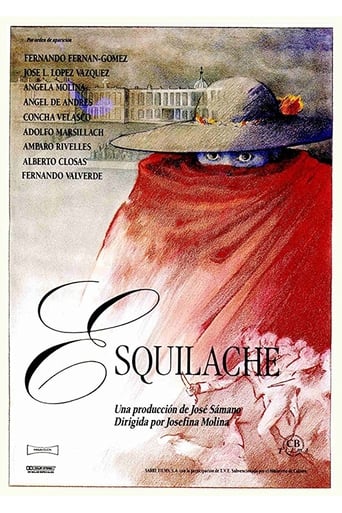 Esquilache · 1989
Esquilache
★ 5.81989
MovieDramaHistory
In the 18th century in Madrid, the Marquess of Esquilache, King Charles III of Spain's former minister, bans on wearing the popular wide collar with a long coat and brimmed hat. Along with other measures provoke a massive riot in the city.
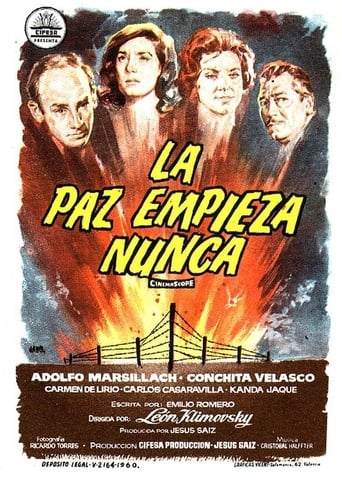 La paz empieza nunca · 1960
La paz empieza nunca
★ 6.51960
MovieDrama
Inspired by the classic novel by journalist and writer Emilio Romero. Shortly before the outbreak of the Spanish Civil War (1936-1939), a group of Phalangist friends, who dream of a revolution to transform Spain, are dedicated to spreading their ideas among the population. As war begins, one of them, Lopez, is about to be shot, but is saved by a Republican. Then he joins the national side. After the war, an old comrade encourages him to involve in an operation to destroy the maquis of Asturias. Although he is married and has children, he accepts the proposal, infiltrates among the guerrillas and convinces them that he will provide weapons to continue fighting.
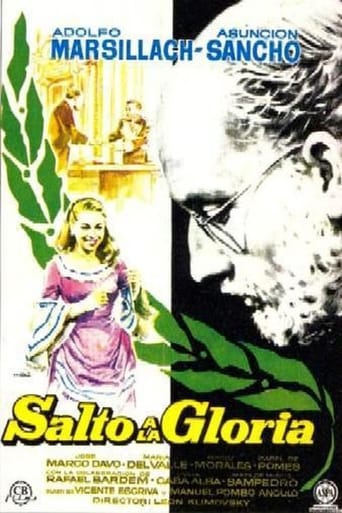 Leap to Fame · 1959
Leap to Fame
★ 9.01959
MovieDramaHistory
The story of doctor Santiago Ramón y Cajal, who adapting Golgi's silver staining method enabled the visualization of the real structure of the central nervous system, based on individual cells, the neurons. For which both were bestowed the Nobel prize in 1906.
 The Powerful Influence Of The Moon · 1981
The Powerful Influence Of The Moon
★ 5.71981
MovieComedyDrama
The film is an image of the Spanish society in form of various anecdotes which happen to the inhabitants and their neighbours of a finca in Madrid.
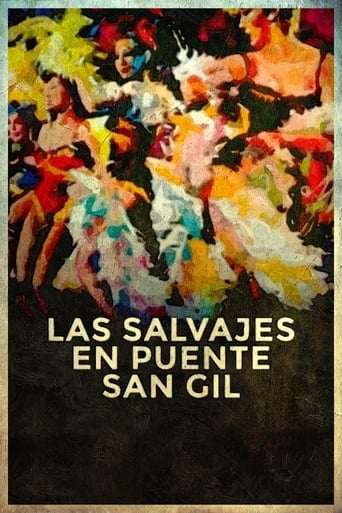 Las salvajes en Puente San Gil · 1967
Las salvajes en Puente San Gil
★ 6.21967
MovieDrama
A revue troupe arrives in Puente San Gil, a small town, where they are received with hostility and contempt by the more conservative inhabitants.
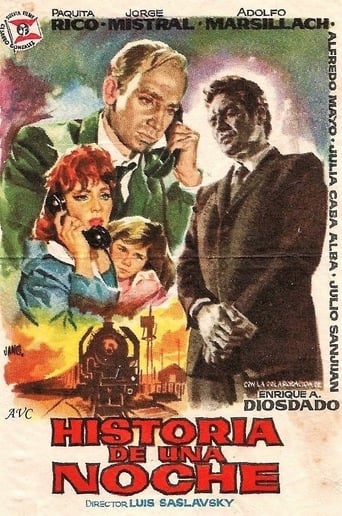 Historia de una noche · 1962
Historia de una noche
★ 6.01962
MovieDrama
After a few years, Víctor Morel comes back to the city. He has been a happy and Bohemian man who spent an authentic fortune. His first meeting with the past is with Laura, an extraordinary woman with he had intense relationships. She is now married with Daniel Romero, a man dedicated to the business that, precisely in the last days, has had a money problem. Due to this matter, Daniel will have to ask Víctor for help because it knows that he can extract it of the difficulty, in spite of the fact that he does not have any sharm.
Filmography
Sort
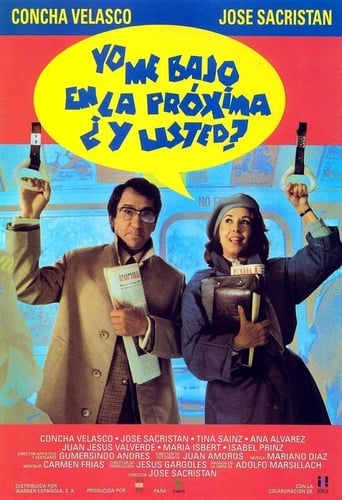
 Love Ravings · 1986
Love Ravings
★ 5.31986
MovieComedy
In this anthology film, a female actor cheats on her formerly famous husband, a married couple go to extremes, and an antiquarian falls for a young man.
Juan Bautista Salgado (segment "Delirio 1")

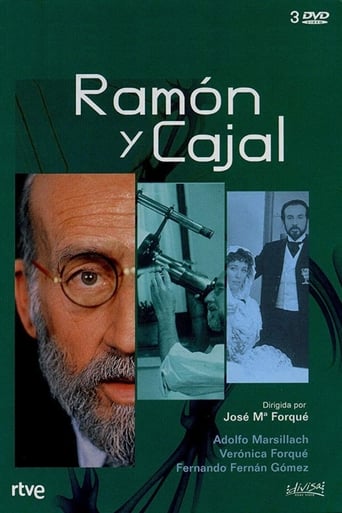 Ramon y Cajal · 1982
Ramon y Cajal
★ 7.01982
SeriesDrama
Santiago Ramón y Cajal