Directing
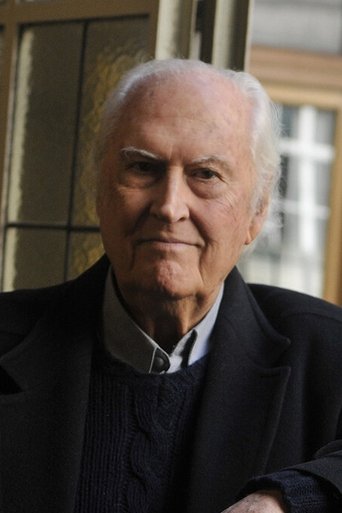
Fernando E. Solanas
Born February 16, 1936 · Olivos, Buenos Aires, Argentina
Died November 6, 2020 · aged 84
Fernando Ezequiel 'Pino' Solanas was an Argentine film director, screenwriter and politician. His films include La hora de los hornos (The Hour of the Furnaces) (1968), Tangos: el exilio de Gardel (1985), Sur (1988), El viaje (1992), La nube (1998) and Memoria del saqueo (2004), among many others. He was National Senator representing the Autonomous City of Buenos Aires for six years, from 2013 to …
Known For
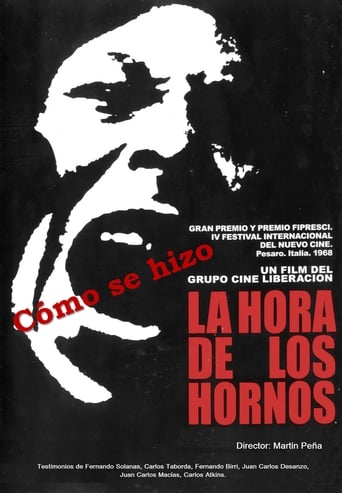
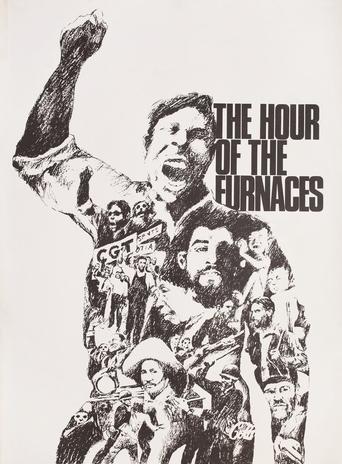 The Hour of the Furnaces · 1968
The Hour of the Furnaces
★ 6.91968
MovieDocumentary
An impassioned three-part documentary of the liberation struggle waged throughout Latin America, using Argentina as a historical example of the imperialist exploitation of the continent. Part I: Neo-Colonialism and Violence is a historical, geographic, and economic analysis of Argentina. Part II: An Act For Liberation examines the ten-year reign of Juan Perón (1945-55) and the activities of the Peronist movement after his fall from power. Part III: Violence and Liberation studies the role of violence in the national liberation process and constitutes a call for action.
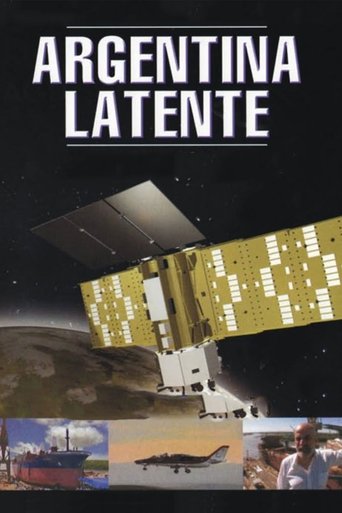 Dormant Argentina · 2007
Dormant Argentina
★ 6.62007
MovieDocumentary
As the third installment in an ongoing series of muckraking documentaries by Argentine filmmaker Fernando Solanas that investigate various sociological aspects of South America's second-largest nation (following 2004's Memoria del saqueo and 2005's La Dignidad de los nadies), Latent Argentina springboards from a truth little-known to most of the titular country's residents: Argentina owns more wealth and more innate natural resources than almost any nation on its continent. The possessor of a bountiful shoreline, endless acres of tillable farmland, the fourth largest metal reserves on the planet and a remarkable space program (the fourth in the world to send a human being into space), Argentina nevertheless remains a prisoner of backward and disadvantageous economical, political and social systems.
 The Journey · 1992
The Journey
★ 6.11992
MovieDrama
A young man living in a cold southern village in South America, decides to start a trip looking for his father. By doing this he discovers unexpected facts about his Latin American essence.
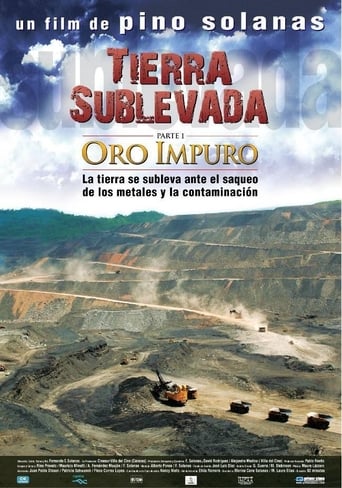 Land in Revolt: Impure Gold · 2009
Land in Revolt: Impure Gold
★ 9.02009
MovieDocumentary
After Memoria del saqueo, La dignidad de los nadies, Argentina latente and La próxima estación, Solanas begins with Oro puro a diptych on the plundering of mineral resources (metals and hydrocarbons). This remarkable and powerful documentary denounces the open-pit cyanide mining operations carried out by multinationals in the northwest with the support of politicians, exposes the progressive contamination of soil and water, and exalts social resistance movements through moving individual and collective examples.
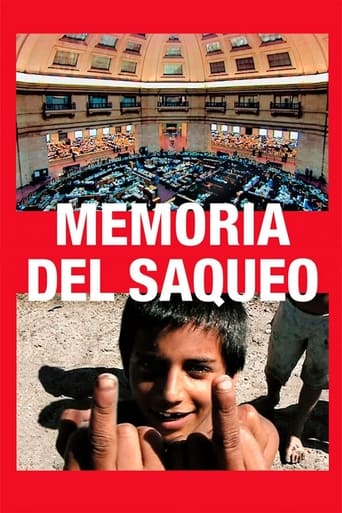 Social Genocide · 2004
Social Genocide
★ 8.22004
MovieDocumentary
After the fall of the military dictatorship in 1983, successive democratic governments launched a series of reforms purporting to turn Argentina into the world's most liberal and prosperous economy. Less than twenty years later, the Argentinians have lost literally everything: major national companies have been sold well below value to foreign corporations; the proceeds of privatizations have been diverted into the pockets of corrupt officials; revised labour laws have taken away all rights from employees; in a country that is traditionally an important exporter of foodstuffs, malnutrition is widespread; millions of people are unemployed and sinking into poverty; and their savings have disappeared in a final banking collapse. The film highlights numerous political, financial, social and judicial aspects that mark out Argentina's road to ruin.
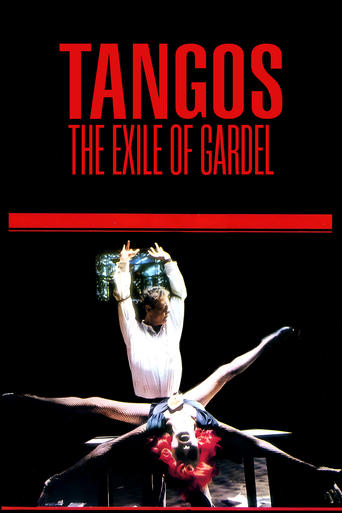 Tangos, the Exile of Gardel · 1985
Tangos, the Exile of Gardel
★ 6.81985
MovieMusicDrama
Some Argentinians, exiled in Paris, decide to put on a tango-ballet, dedicated to Carlos Gardel, a legendary Argentinian tango star.
 Sin memoria · 1962
Sin memoria
★ 8.01962
MovieComedyHistory
A bourgeois family reluctantly watches a home documentary about the horrors of the Second World War.
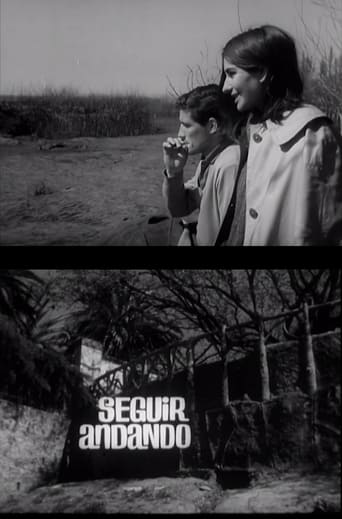 Seguir andando · 1962
Seguir andando
★ 7.01962
MovieDrama
Filmography
Sort