Acting
Richard Beymer
Born February 20, 1938 · Avoca, Iowa, USA (age 88)
George Richard Beymer, Jr. (born February 20, 1938) is an American actor known for playing Tony in the 1961 film version of West Side Story and Ben Horne on the 1990 television series Twin Peaks. Description above from the Wikipedia article Richard Beymer, licensed under CC-BY-SA, full list of contributors on Wikipedia.
Known For
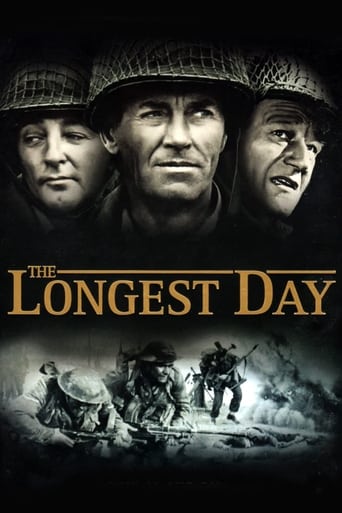 The Longest Day · 1962
The Longest Day
★ 7.61962
MovieWarDrama
The retelling of June 6, 1944, from the perspectives of the Germans, US, British, Canadians, and the Free French. Marshall Erwin Rommel, touring the defenses being established as part of the Reich's Atlantic Wall, notes to his officers that when the Allied invasion comes they must be stopped on the beach. "For the Allies as well as the Germans, it will be the longest day"
 West Side Story · 1961
West Side Story
★ 7.21961
MovieCrimeDrama
In Manhattan’s Upper West Side, rival gangs of Polish-Americans and newly arrived Puerto Ricans clash for control of the neighborhood, even as two young members from opposite sides fall dangerously in love.
 Blackbelt · 1992
Blackbelt
★ 5.11992
MovieAction
Don "The Dragon" Wilson is back and forced to take on the greatest legends of the martial arts world. Wilson fights off all comers while defending rock superstar Shanna (Deirdre Imershein) against the insane attacks of a fanatical veteran John Sweet (Matthias Hues-I Come In Peace).
 My Girl 2 · 1994
My Girl 2
★ 6.11994
MovieComedyFamily
Vada Sultenfuss has a holiday coming up, and an assignment: to do an essay on someone she admires and has never met. She decides she wants to do an assignment on her mother, but quickly realises she knows very little about her. She manages to get her father to agree to let her go to LA to stay with her Uncle Phil and do some research on her mother.
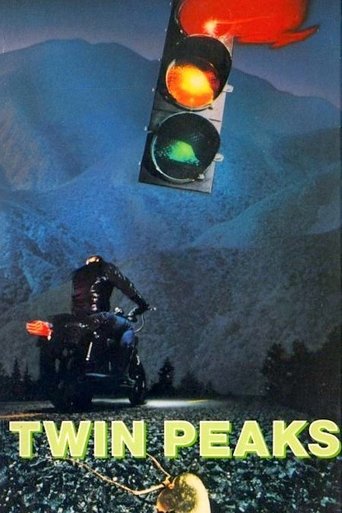 Twin Peaks · 1989
Twin Peaks
★ 8.51989
MovieMysteryDrama
An idiosyncratic FBI agent investigates the murder of a young woman in the even more idiosyncratic town of Twin Peaks. (This standalone version of the series pilot was produced for the European VHS market and has an alternate, closed ending.)
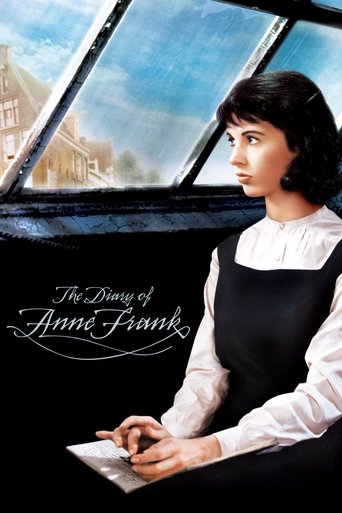 The Diary of Anne Frank · 1959
The Diary of Anne Frank
★ 7.21959
MovieDramaHistory
The true, harrowing story of a young Jewish girl who, with her family and their friends, is forced into hiding in an attic in Nazi-occupied Amsterdam.
 Foxfire · 1996
Foxfire
★ 6.01996
MovieActionDrama
The story of five teenage girls who form an unlikely bond after beating up a teacher who has sexually harassed them. They build a solid friendship but their wild ways begin to get out of control.
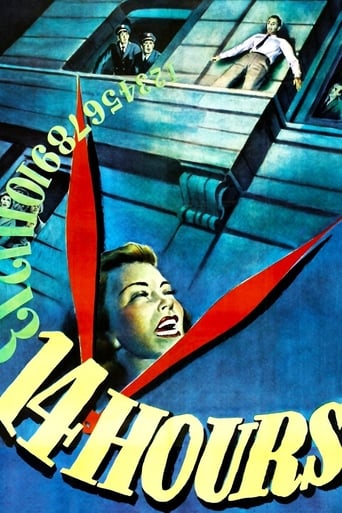 Fourteen Hours · 1951
Fourteen Hours
★ 7.31951
MovieDramaThriller
A young man, morally destroyed by his parents not loving him and by the fear of being not capable to make his girlfriend happy, rises on the ledge of a building with the intention of committing suicide. A policeman makes every effort to argue him out of it.