Camera
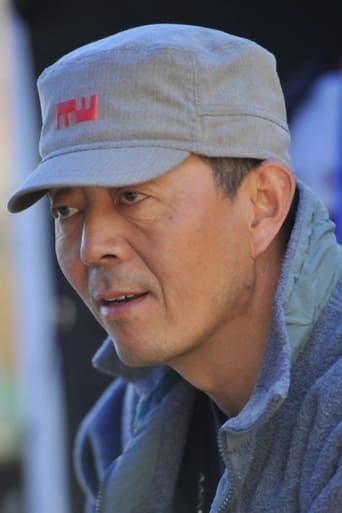
Gu Changwei
Born December 12, 1957 · Xi'an, Shanxi Province, China (age 68)
Gu Changwei (顾长卫) is a Chinese cinematographer and director born in Xi'an on December 12, 1957. He has loved painting since childhood and dreamed of becoming a painter. In 1978, he was admitted to the Photography Department of Beijing Film Academy. After graduating in 1982, he worked as a photography assistant in Xi'an Film Studio.
Known For
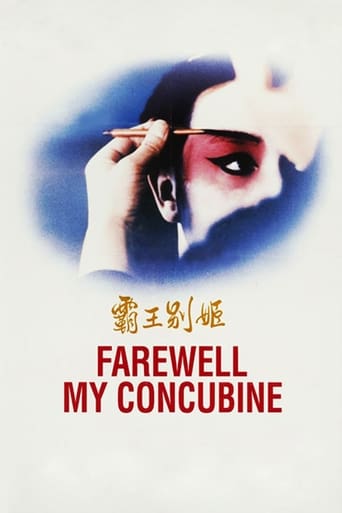 Farewell My Concubine · 1993
Farewell My Concubine
★ 8.01993
MovieDrama
In an epic tale of theater, gender, love and class, two Beijing opera actors navigate political turmoil as their friendship evolves over decades.
 Autumn in New York · 2000
Autumn in New York
★ 6.12000
MovieDramaRomance
Will Keane, a Manhattan restaurateur, is content with his playboy lifestyle until he meets Charlotte Fielding, a free-spirited young woman. Together the pair pursue a passionate affair that forces them both to reevaluate what they want out of life, even as fate threatens to steal away their future.
 Devils on the Doorstep · 2001
Devils on the Doorstep
★ 8.22001
MovieDramaWar
During the Japanese occupation of China, two prisoners are dumped in a peasant's home in a small town. The owner is bullied into keeping the prisoners until the next New Year, at which time they will be collected. The village leaders convene to interrogate the prisoners. The townspeople then struggle to accommodate the prisoners. One is a bellicose Japanese nationalist, the other a nervous translator. Will the townspeople manage to keep the prisoners until the New Year?
 Ju Dou · 1990
Ju Dou
★ 7.31990
MovieDrama
Tianqing falls in love with Ju Dou, his uncle's wife who is tortured for being childless. However, after they have an affair, they discover that his uncle is impotent and try to conceal the truth.
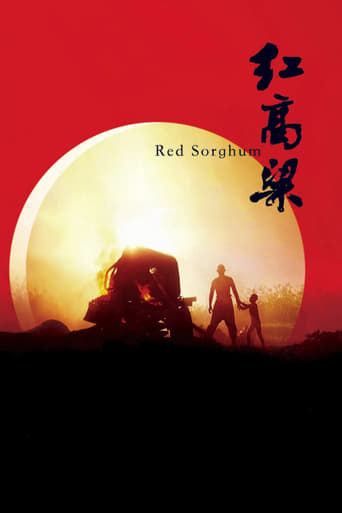 Red Sorghum · 1988
Red Sorghum
★ 7.21988
MovieDramaRomance
An old leper who owned a remote sorghum winery dies. Jiu'er, the wife bought by the leper, and her lover, identified only as "my Grandpa" by the narrator, take over the winery and set up an idealized quasi-matriarchal community headed by Jiu'er. When the Japanese invaders subject the area to their rule and cut down the sorghum to make way for a road, the community rises up and resists as the sorghum grows anew.
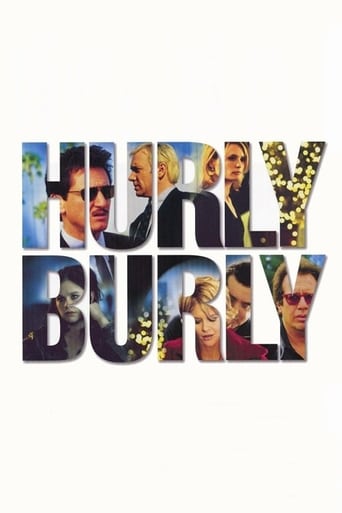 Hurlyburly · 1998
Hurlyburly
★ 5.51998
MovieComedyDrama
A group of actors and their casting agents try to find a direction in their lives whilst coming to terms with their personal problems and relationship conflicts.
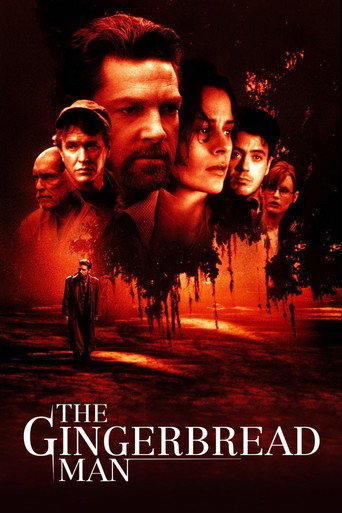 The Gingerbread Man · 1998
The Gingerbread Man
★ 5.61998
MovieThriller
A successful Savannah defense attorney gets romantically involved with a sexy, mysterious waitress troubled by psychopaths and dark family secrets.
 In the Heat of the Sun · 1994
In the Heat of the Sun
★ 7.81994
MovieDramaRomance
Beijing, 1970s. The Cultural Revolution has driven most adults to the provinces leaving 14-year-old Monkey and his pals with free rein over the city. They hang around, get up to no good, and discover that unsolvable mystery known as "girls."