Directing
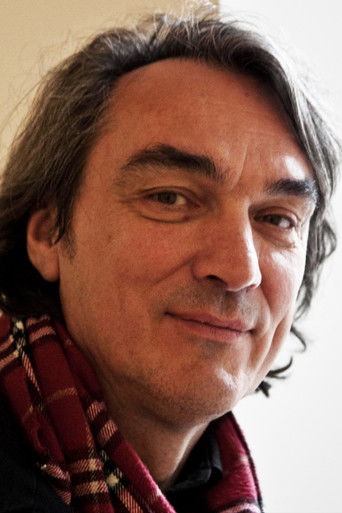
Gerd Kroske
Born January 1, 1958 · Dessau, Germany (age 68)
Born in 1958 in Dessau. He studied Cultural Sciences at the Humboldt University in Berlin, and Directing at the Academy for Film and Television Konrad Wolf in Potsdam-Babelsberg. From 1987 to 1991, he worked as a writer and dramaturge at the DEFA documentary studio. Gerd Kroske has been making his own films since the autumn of 1989, and has worked as a freelance writer and director since 1991.
Known For
 Bounds · 2009
Bounds
2009
MovieDocumentary
In the 80’s, new border barrier systems were used in the former GDR. The escape attempts with cars towards West Germany increased. Metal workers and Stasi (Ministry for State Security) are working hand in hand for the defence against “terrorism” in order to prevent escape attempts. In conspiratorial work they created new barriers after their actual working hours. Crash tests for the defence against terrorism, collisions for the case of emergency. Cars crashing into the new barricades, leaving a total loss. From the mid-80s those barriers were installed at all border crossing points. BOUNDS is about the motivation of all who were involved, from tragic ending escapes and gives insight into the German engineering ingenuity and the military spirit.
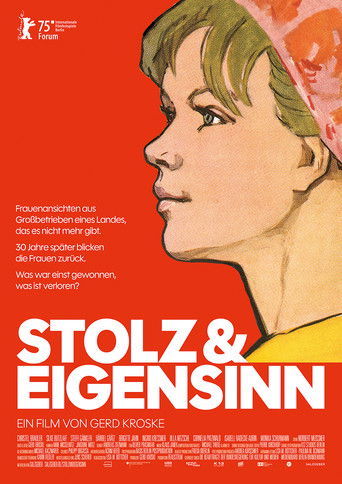 Pride & Attitude · 2025
Pride & Attitude
2025
MovieDocumentary
The viewpoints of women from a country that no longer exists preserved on low-band U-matic tape. GDR-FRG. Courageous, self-confident and emancipated: female industry workers talk about gaining autonomy.
 Sweep it Up, Again · 2006
Sweep it Up, Again
2006
MovieDocumentary
„I began documenting their lives, if only because I hoped each film would have a happy ending.“ (Gerd Kroske)
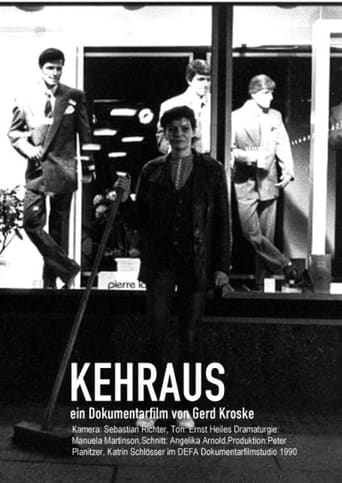 Sweeping · 1990
Sweeping
1990
MovieDocumentary
Leipzig is in a period of change. The uproar of Autumn ’89 is followed by a hectic electoral campaign in Spring ’90. Nightly conversations with street sweepers are dominated by hopelessness and broken self-confidence, but one can also recognise a keen sense for the change in social climate following the political unification in the GDR. Despite their lack of illusions, they have an acute view of their surroundings, and for these street sweepers only one certainty prevails: there will always be dirt.
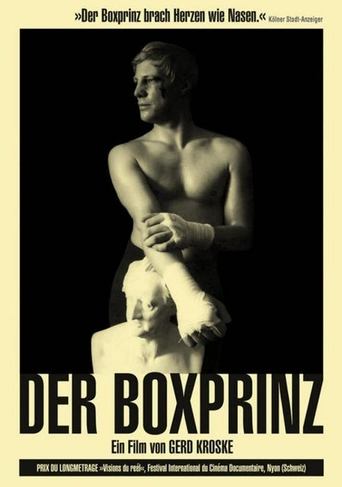 The Boxing Prince · 2002
The Boxing Prince
★ 6.52002
MovieDocumentary
The documentary tells the life story of the boxer Norbert Grupe, who was known by his fighting name Prince of Homburg.
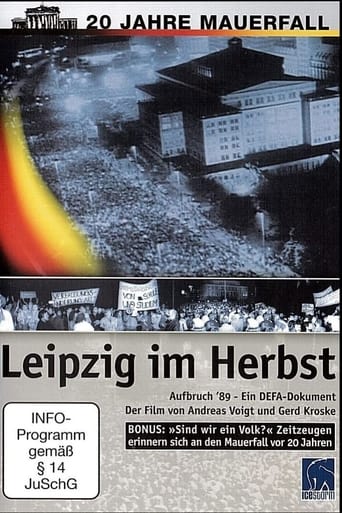 Leipzig in Autumn · 1989
Leipzig in Autumn
★ 6.81989
MovieDocumentary
Voigt, Kroske and Richter were among the first filmmakers who documented the events of the historic 9th of October 1989. Their “material” reflects them from different angles: protesters, workers, opposition members, policemen, street sweepers and functionaries. THE document of the “peaceful revolution”.
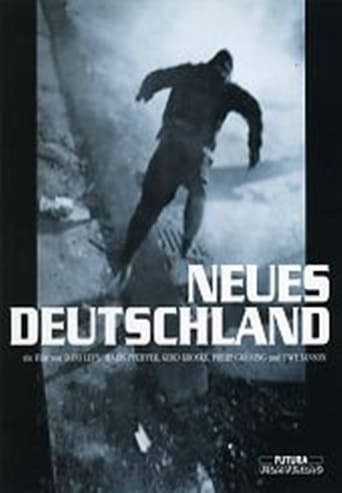 Neues Deutschland · 1993
Neues Deutschland
★ 10.01993
Movie
An exploration of the revival of Nazi sentiment in Germany is the theme of the five short films gathered together in this anthology.
 Bulky Trash · 1991
Bulky Trash
★ 6.51991
MovieDocumentary
In early summer 1989, Helke Misselwitz portrays young musicians in a band who produce their music on other people’s waste items. The four boys call themselves "Bulk Rubbish" and they drum out their resentment, having grown up on the new housing estates of East Berlin. A straight-up picture of the GDR youth is presented here, which in no way conforms to the official image. The film crew concentrates on the observation of the boy Enrico and his mother Erika: when the mother marries in the West, her son decides to stay in East Berlin, bidding her farewell at the border-crossing. Only shortly after, the tables are turned again: as the events in Berlin leading up to the fall of the Wall are practically captured live from the film crew, Enrico insists on maintaining his cultural identity, even after the fall of the Wall. The "Bulk Rubbish" musicians want to remain citizens of their own state and perceive the looming reunification with scepticism.
Filmography
Sort