P
Camera
Paul Koestner
No biography available.
Known For
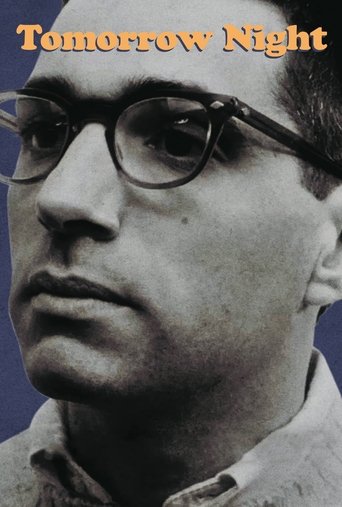 Tomorrow Night · 1998
Tomorrow Night
★ 6.01998
MovieComedy
Charles is the owner of a photo-shop. He is not too friendly and spends his evenings alone, and one day he finally decides to get a social life. He meets elderly Florence, who is tormented by her gambling husband Lester and longs for the son Willie she hasn't seen or heard of for 20 years.
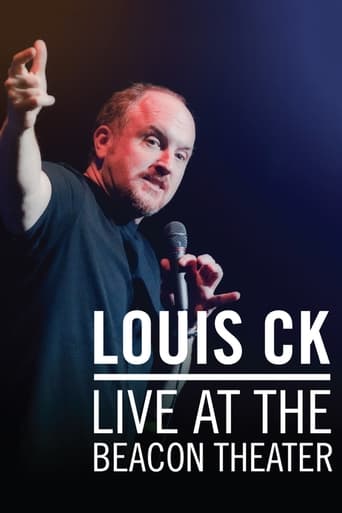 Louis C.K.: Live at the Beacon Theater · 2011
Louis C.K.: Live at the Beacon Theater
★ 7.82011
MovieComedyTV Movie
Recorded November 10th, 2011 as part of the New York Comedy Festival, and only available for purchase online, Louis C.K. follows up his 2010 concert film Hilarious with a new hour’s worth of shrewdly observed and periodically profane material. He starts with making his own kind of please-turn-off-your-cell-phone announcement, as well as a warning not to text or tweet during the show: “Just live your life,” he asks. Whether he’s talking about a unique way to drop a rental car off at an airport or describing why a man in his 40s should not smoke dope, it’s terrific, humane, carried-to-crazed-extremes stuff.
 I Love You, Daddy · 2017
I Love You, Daddy
★ 5.82017
MovieDramaComedy
When a successful television writer's daughter becomes the interest of an aging filmmaker with an appalling past, he becomes worried about how to handle the situation.
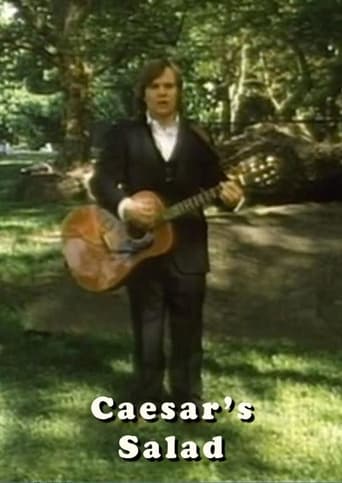 Caesar's Salad · 1990
Caesar's Salad
★ 4.01990
MovieComedy
The short called “Caesar’s Salad” that won at the Chicago Film Festival and the New Orleans Film and Video Festival. C.K.’s mother helped him to pay for “Caesar’s Salad,” the production of which required him to close down a street and use a cop car. In the Louis C.K. episode of Marc Maron’s podcast, Maron mentions that he was cut out of “Caesar’s Salad” but some of his guitar playing remains on the soundtrack.
 Sincerely Louis C.K. · 2020
Sincerely Louis C.K.
★ 7.42020
MovieComedy
Louis C.K. muses on religion, terrorism, small towns, Florida, disabilities, dogs, Auschwitz, marriage, sex, vegans, and his personal sexual controversy, in a live performance from Washington, D.C.
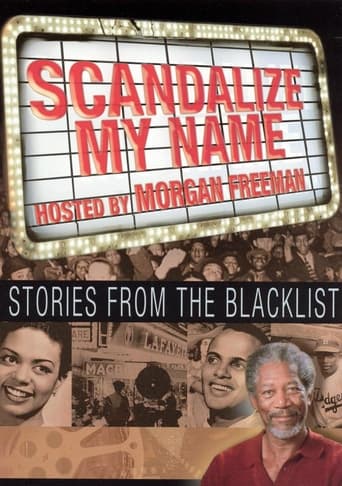 Scandalize My Name: Stories from the Blacklist · 1998
Scandalize My Name: Stories from the Blacklist
★ 8.21998
MovieDocumentaryHistory
A look at the confluence of the Red Scare, McCarthyism, and blacklists with the post-war activism by African Americans seeking more and better roles on radio, television, and stage. It begins in Harlem, measures the impact of Paul Robeson and the campaign to bring him down, looks at the role of HUAC, J. Edgar Hoover and of journalists such as Ed Sullivan, and ends with a tribute to Canada Lee. Throughout are interviews with men and women who were there, including Dick Campbell of the Rose McLendon Players and Fredrick O'Neal of the American Negro Theatre. In the 1940s and 1950s, anti-Communism was one more tool to maintain Jim Crow and to keep down African-Americans.
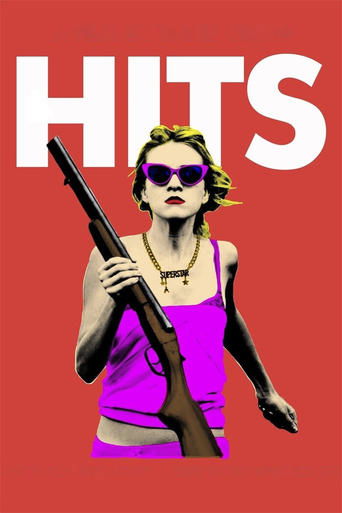 Hits · 2014
Hits
★ 4.82014
MovieDramaComedy
A talentless teen will do anything to get on TV's "The Voice." Meanwhile, her father, a municipal worker, creates an uproar when a video of his rants at City Hall goes viral.
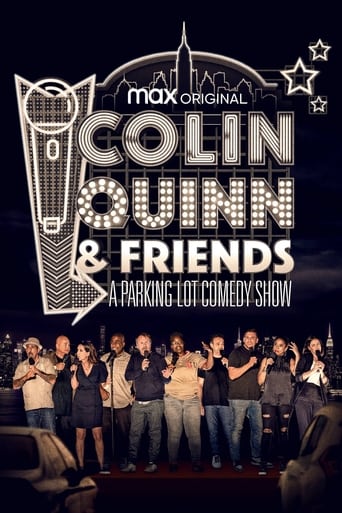 Colin Quinn & Friends: A Parking Lot Comedy Show · 2020
Colin Quinn & Friends: A Parking Lot Comedy Show
★ 5.02020
MovieComedy
Colin Quinn and his friends haven't performed comedy in months thanks to the pandemic. So they got together and performed in a parking lot. What could go wrong?
Filmography
Sort
 Hello There · 1995
Hello There
★ 6.71995
MovieComedy
A film by Louis C.K.
Director of Photography