J
Directing
Jean Couturier
No biography available.
Known For
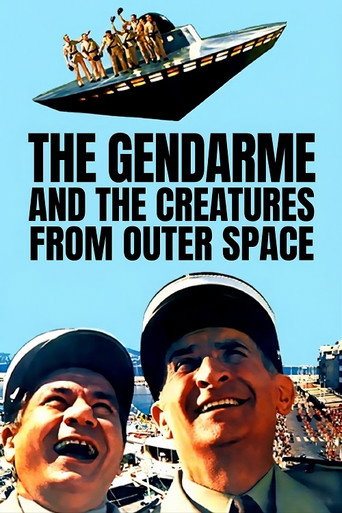 The Gendarme and the Creatures from Outer Space · 1979
The Gendarme and the Creatures from Outer Space
★ 6.11979
MovieComedyScience Fiction
The bungling inspector Cruchot finds himself trying to save the residents of St. Tropez from some oil-drinking humanoid aliens. The only way to tell the aliens from the real people, besides their constant thirst for oil-products, is that they sound like empty garbage cans when you touch them. Chaos is ahead.
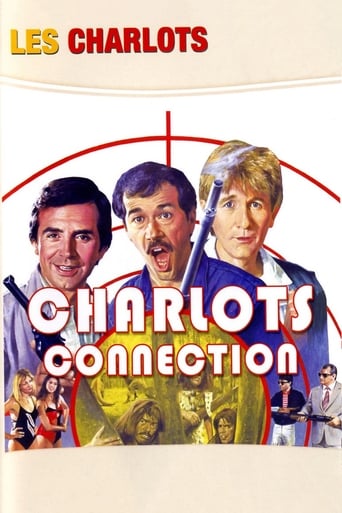 Charlots' Connection · 1984
Charlots' Connection
★ 3.61984
MovieComedy
Three friends begin to work the rent collectors. Fee collection goes with a lot of comic episodes...
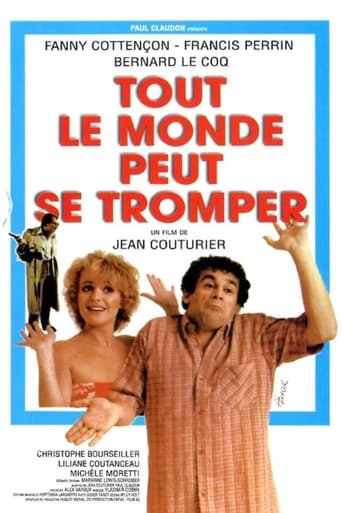 Tout le monde peut se tromper · 1983
Tout le monde peut se tromper
★ 5.71983
MovieComedy
A young woman, employed in a jewelry store, decides to take advantage of the heist she witnesses. She shoots down one of the burglars; the other will pursue her.
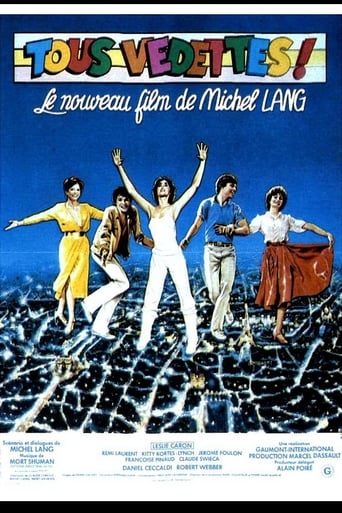 All Stars · 1980
All Stars
★ 8.01980
MovieMusicComedy
Three music students decide to create a science-fiction musical.
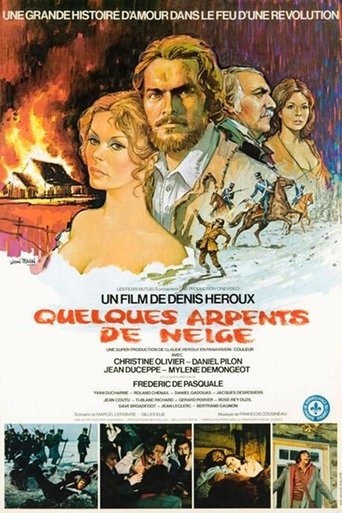 A Few Acres of Snow · 1972
A Few Acres of Snow
★ 9.01972
MovieDrama
In 1837, in Quebec, against a historical backdrop of rebellion against the English, we follow the sentimental drama of Simon de Bellefeuille and Julie, the chosen one of his heart, destined for another.
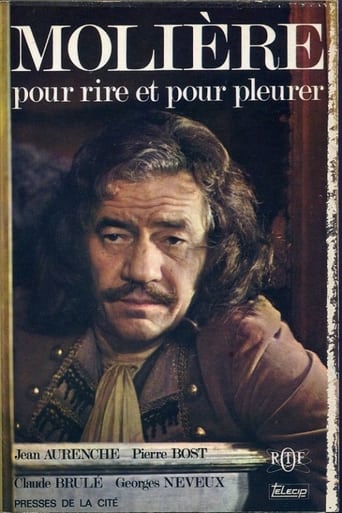 Molière pour rire et pour pleurer · 1973
Molière pour rire et pour pleurer
★ 9.51973
SeriesComedyDrama
Molière pour rire et pour pleurer recounts the life of Jean‑Baptiste Poquelin, from his childhood in an artisan family to his rise as Molière, a central figure of French theatre. The series shows his difficult decision to abandon the family trade and join Madeleine Béjart to found L’Illustre Théâtre, marked by debts and repeated setbacks.
While touring the provinces, he shapes his style and discovers the power of comedy. Back in Paris, he makes a name for himself with Les Précieuses ridicules, but his sharp satires provoke fierce opposition, especially during the Tartuffe scandal. Supported by Louis XIV, he continues despite attacks, literary rivalries, and tensions within his troupe, particularly with Armande Béjart.
The miniseries also follows his growing exhaustion, his determination to perform at any cost, and his final breath after Le Malade imaginaire, the ultimate symbol of an artist who lived — and died — for the stage.