Acting
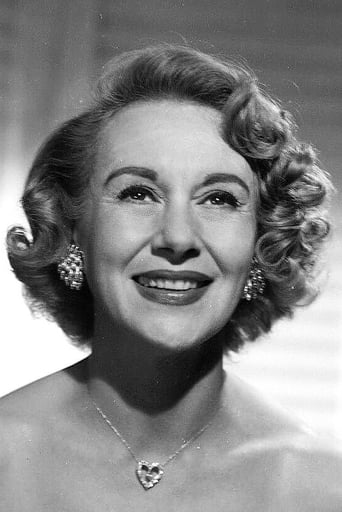
Arlene Francis
Born October 20, 1907 · Boston, Massachusetts, USA
Died May 31, 2001 · aged 93
Arlene Francis (born Arline Francis Kazanjian) was an American actress, radio talk show host, and game show panelist. She is known for her long-standing role as a panelist on the television game show What's My Line?, on which she regularly appeared for 25 years, from 1950 through the mid-1970s.
Known For
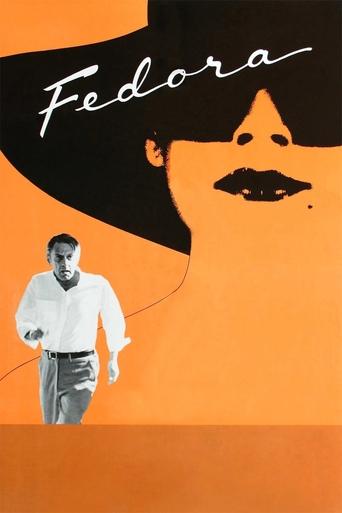 Fedora · 1978
Fedora
★ 6.71978
MovieDramaMystery
Down-on-his-luck Hollywood producer Barry 'Dutch' Detweiler attempts to lure Fedora, a famous but reclusive film actress, out of retirement, only to discover the horrifying truth behind her success.
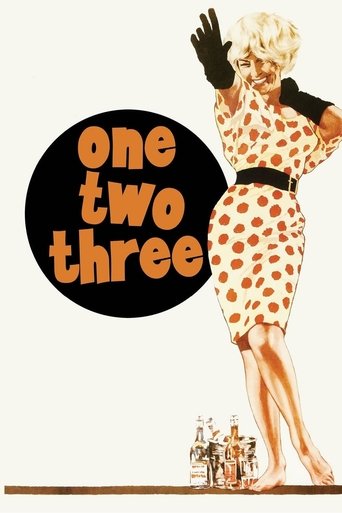 One, Two, Three · 1961
One, Two, Three
★ 7.51961
MovieComedy
In Cold War-era West Berlin, American Coca-Cola executive C.R. 'Mac' MacNamara is tasked with playing babysitter to his boss' spoiled 17-year-old daughter Scarlett, who proves more difficult than anticipated when she reveals that she is pregnant by a Communist.
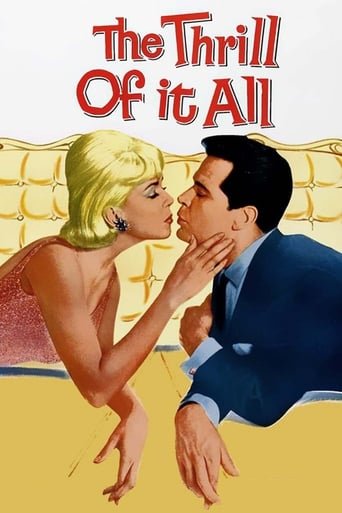 The Thrill of It All · 1963
The Thrill of It All
★ 7.01963
MovieComedyRomance
A housewife's sudden rise to fame as a soap spokesperson leads to chaos in her home life.
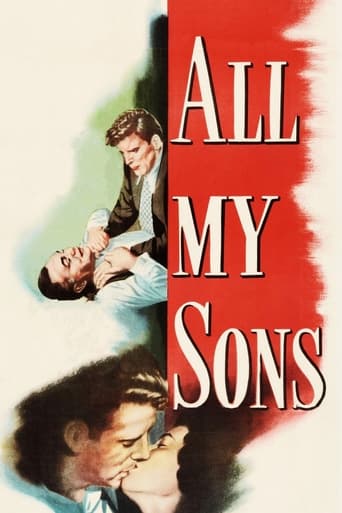 All My Sons · 1948
All My Sons
★ 6.51948
MovieDrama
During WWII, industrialist Joe Keller commits a crime and frames his business partner Herbert Deever. Years later, his sin comes back to haunt him when his son plans to marry Deever's daughter.
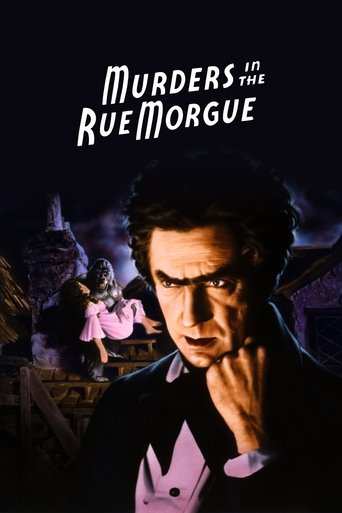 Murders in the Rue Morgue · 1932
Murders in the Rue Morgue
★ 6.01932
MovieHorrorMystery
In 19th century Paris, a maniac abducts young women and injects them with ape blood in an attempt to prove ape-human kinship but constantly meets failure as the abducted women die.
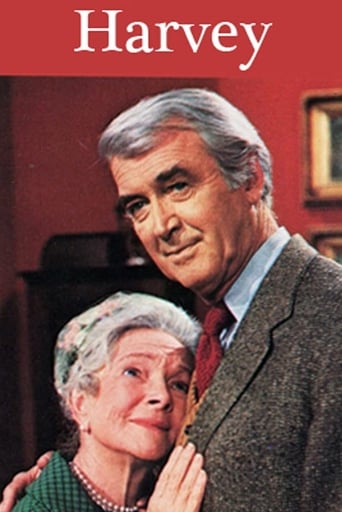 Harvey · 1972
Harvey
★ 6.61972
MovieComedyFantasy
Elwood P. Dowd's constant companion is Harvey, a six-foot tall invisible rabbit. To his sister, his obsession with Harvey has been a thorn in her plans to marry off her daughter. However, when she decides to put Elwood in a mental institution, a mix-up occurs, and she finds herself committed instead. It's now up to Elwood and "Harvey" to straighten out the mess.
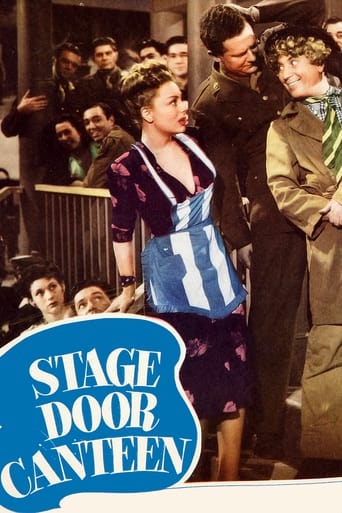 Stage Door Canteen · 1943
Stage Door Canteen
★ 6.31943
MovieComedyRomance
A young soldier on a pass in New York City visits the famed Stage Door Canteen, where famous stars of theatre and film appear and host a recreational center for servicemen during the war. The soldier meets a pretty young hostess and they enjoy the many entertainers and a growing romance.
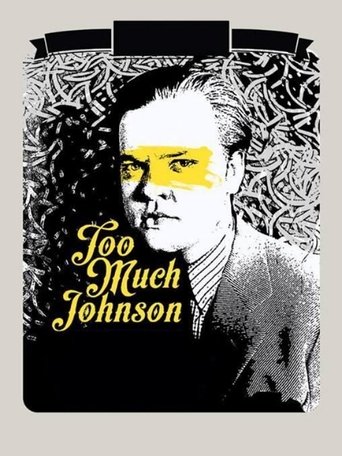 Too Much Johnson · 2013
Too Much Johnson
★ 5.42013
MovieComedy
This film was not intended to stand by itself, but was designed as the cinematic aspect of Welles' Mercury Theatre stage presentation of William Gillette's 1894 comedy about a New York playboy who flees from the violent husband of his mistress and borrows the identity of a plantation owner in Cuba who is expecting the arrival of a mail order bride. The film component of the performance was ultimately never screened due to the absence of projection facilities at the venue. Long-believed to be lost, a workprint was discovered in 2008 and the film had its premiere in 2013.
Filmography
Sort