Acting
Yasumi Hara
Born January 28, 1915 · Tokyo, Japan
Died November 19, 1997 · aged 82
No biography available.
Known For
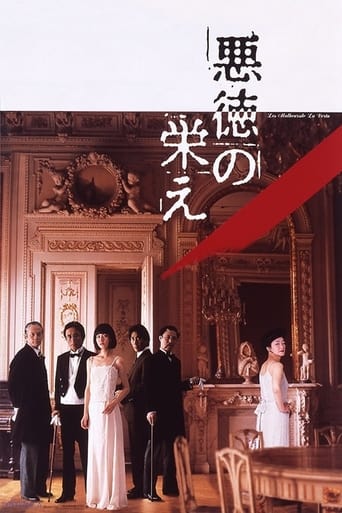
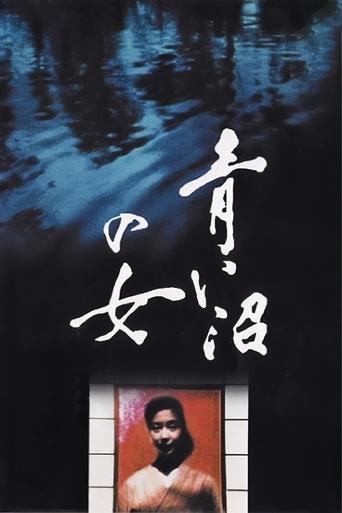 Blue Lake Girl · 1986
Blue Lake Girl
★ 6.51986
MovieRomanceHorror
Nagare, a painter who wanted to commit a lover’s suicide with Mizue, the wife of his friend and patron Takigawa. Growing afraid at the last moment, he doesn’t go through with it – but Mizue sinks to the bottom of Blue Lake. Some time later, Nagare follows an invitation by Takigawa, who claims to have forgiven everything. To Nagare’s shock, Takigawa’s new wife, Ameko, looks exactly like Mizue. While staying as Takigawa’s guest, Nagare becomes haunted by Mizue’s ghost, who wants to be reunited with him at the bottom of Blue Lake.
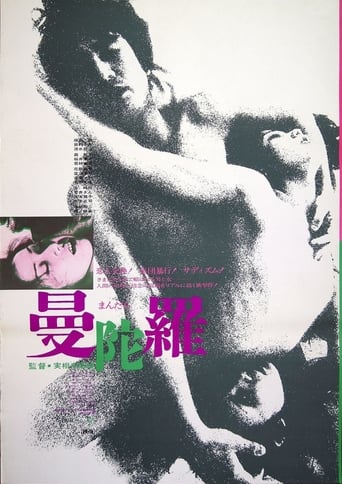 Mandala · 1971
Mandala
★ 5.91971
MovieDrama
Two university students from Kyoto decide to swap partners and spend the night in an isolated motel. However, one of the couples is attacked. Desperate for answers, they search for the attackers and come across a cult that promotes sexual freedom.
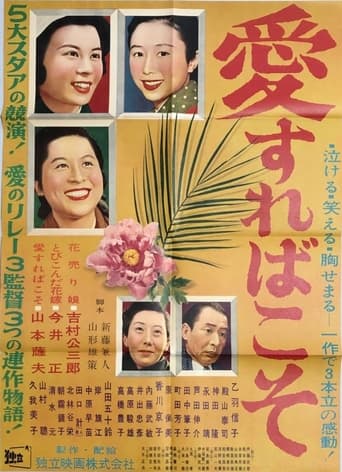 If Indeed One Loves · 1955
If Indeed One Loves
★ 10.01955
MovieDrama
The film consists of three short stories. Tomiko, the heroine of the first story, "The Flower Girl" (dir. Kozaburo Yoshimura), is a little girl who bears the unbearable burden of caring for her family. Tomiko's father has been unable to find work for a long time, and her older sister is terminally ill—it is unlikely that she will ever recover. To feed her family, Tomiko runs around the city from morning until late at night selling flowers... The second novella (dir. Tadashi Imai) also depicts the lives of the poor. An unfamiliar girl brings young Kavano a letter from his mother. It turns out that the girl's name is Kuniko, she is very hardworking, but her family is dying of hunger. Therefore, her mother decided to send Kuniko to her son so that he would marry her. The short story is called "The Unexpected Bride." The third short story, which gave the film its title, is particularly interesting: "When You Love" (dir. Satsuo Yamamoto). It shows the family of a young peace activist.
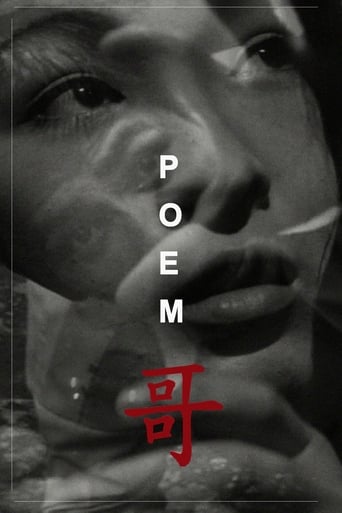 Poem · 1972
Poem
★ 6.71972
MovieDrama
A rigidly devoted young servant lives in a decaying aristocratic household as its members drift toward modernity, hedonism, and financial collapse. While the family quarrels over the fate of their estate, he clings to tradition and ritual, becoming a quiet witness to the social change and emotional unrest around him.
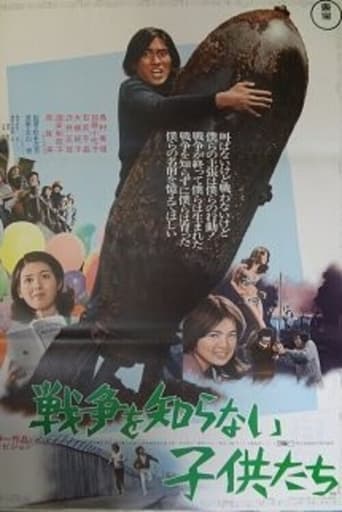 Children Who Don't Know War · 1973
Children Who Don't Know War
1973
Movie
A trio of high school students, Ichiro, Hiroshi, and Reiko, try to give a demonstration against the suspension , but they are ignored by the students and embark on an unreliable journey.
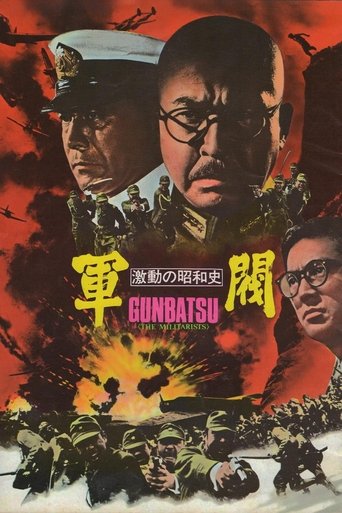 The Militarists · 1970
The Militarists
★ 7.51970
MovieDramaWar
The second film in Toho's series on the military history of the Showa era, Hiromichi Horikawa's war drama offers a look at the career of controversial politician Hideki Tojo and the strained relationships between Japan's government, military, and the media.
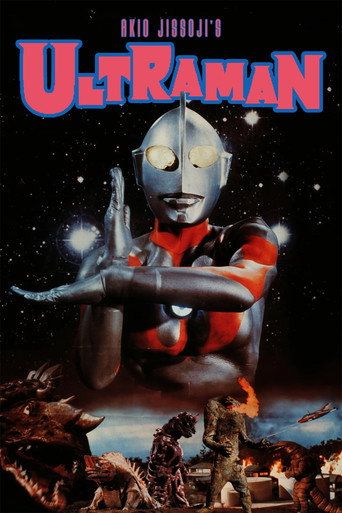 Akio Jissoji's Ultraman · 1979
Akio Jissoji's Ultraman
★ 8.01979
MovieActionAdventure
Akio Jissoji's Ultraman is a 1979 Japanese tokusatsu kaiju film directed by Akio Jissoji. It is a compilation film made up of scenes from Jissoji's episodes of the original Ultraman TV series.
 Hiroshima · 1953
Hiroshima
★ 7.41953
MovieDramaHistory
Historical fiction about the aftermath of the atomic bombing of Hiroshima, Japan, on 6 August 1945, and its effects on various civilians, especially children, of that city.
Filmography
Sort