Directing
Philippe Grandrieux
Born October 10, 1954 · Saint-Étienne, France (age 72)
Philippe Grandrieux (born 10 October, 1954; Saint-Étienne) is a French filmmaker. His work covers several cinematographic fields : TV experimentation, video art, research movie, film essay, documentary and museum exhibition. His uncompromised vision of Art, leads him to push the boundaries of the cinematographic fields he is working on. Following the work of Teinosuke Kinugasa, Jean Epstein and P…
Known For
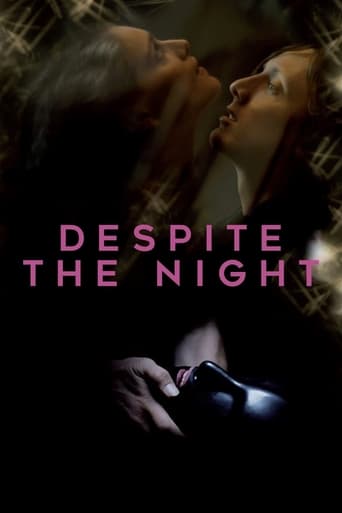 Despite the Night · 2016
Despite the Night
★ 6.22016
MovieMysteryDrama
After returning to Paris, a heartbroken man searching for his missing lover finds solace, and a passionate but troubled love, with a grieving nurse. This unconventional romance unfolds against a backdrop of music and defies expectations, venturing into uncharted emotional territory.
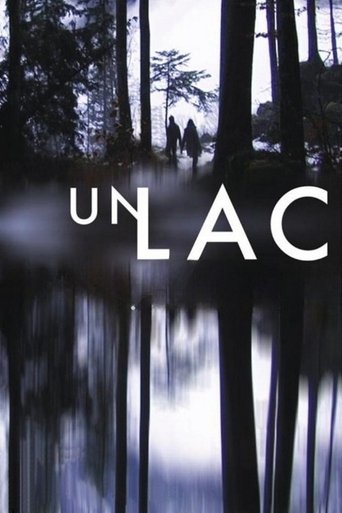 A Lake · 2008
A Lake
★ 6.52008
MovieDrama
The action unfolds in a country about which we know nothing, a land of snow and forests, somewhere in the North. A family lives in an isolated house near a lake. Alexi, a young, pure-hearted man, is a woodcutter. Occasionally suffering from epileptic seizures and overcome by an ecstatic state, he is one with the nature around him. Alexi is very close to his younger sister, Hege. Their blind mother, father, and younger brother, silently observe this uncontrollable love. One day a stranger arrives, a young man slightly older than Alexi.
 A New Life · 2002
A New Life
★ 6.82002
MovieDrama
A young American drifts through a decaying Eastern European city, where his fixation on an elusive woman pulls him deeper into an underworld fueled by possession.
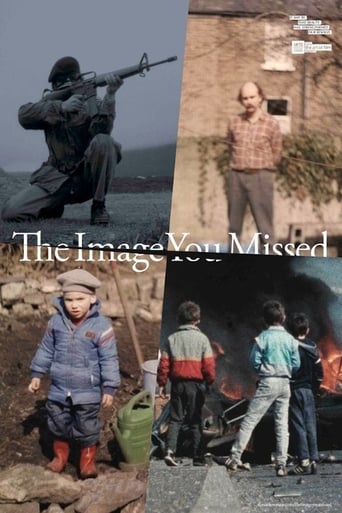 The Image You Missed · 2018
The Image You Missed
★ 5.52018
MovieDocumentaryHistory
An Irish filmmaker grapples with the legacy of his estranged father, the late documentarian Arthur MacCaig, through MacCaig's decades-spanning archive of the conflict in Northern Ireland. Drawing on over 30 years of unique and never-seen-before footage, 'The Image You Missed' is an experimental essay film that weaves together a history of the Northern Irish 'Troubles' with the story of a son's search for his father. In the process, the film creates a candid encounter between two filmmakers born into different political moments, revealing their contrasting experiences of Irish nationalism, the role of images in social struggle, and the competing claims of personal and political responsibility.
 Sombre · 1998
Sombre
★ 6.31998
MovieDramaHorror
A serial killer stalks a woman he befriended after her car broke down.
 Treasure Island · 1986
Treasure Island
★ 6.41986
MovieDramaAdventure
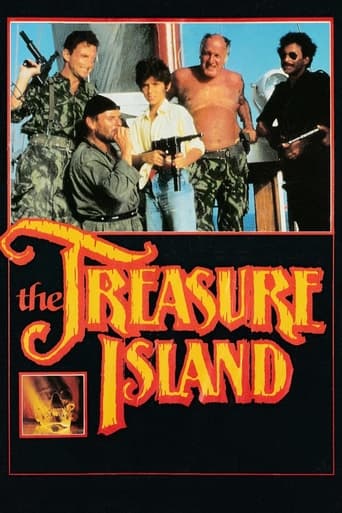
Jim is a small child who lives in an inn run by his parents. The arrival of a strange captain to the Island they live will trouble his existence and tip him into an universe of adventures.
 It May Be That Beauty Has Strengthened Our Resolve - Masao Adachi · 2011
It May Be That Beauty Has Strengthened Our Resolve - Masao Adachi
★ 6.12011
MovieDocumentary
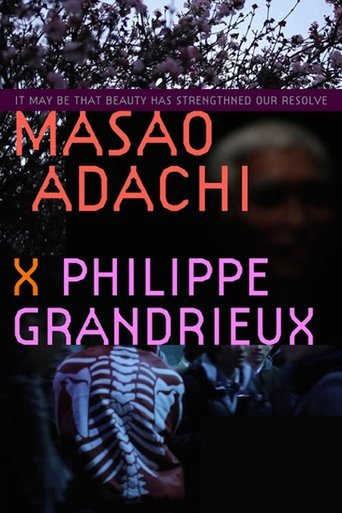
The first in a planned series of films about radical filmmakers by film critic Nicole Brenez and filmmaker Philippe Grandrieux, It May Be That Beauty Has Strengthened Our Resolve is a portrait of Masao Adachi, who emerged during the Japanese New Wave of the 1960s as a screenwriter for Nagisa Oshima and Koji Wakamatsu, and directed a series of avant-garde films that grafted radical politics to the sexploitation genre. A 1971 visit to a Popular Front for the Liberation of Palestine (PFLP) training camp while on the way back from Cannes resulted in Adachi's most infamous film, the agit-prop documentary Red Army/PFLP: Declaration of World War, which he co-directed with Wakamatsu. Soon after, Adachi joined a splinter cell of the Japanese Red Army in Lebanon, where he stayed from 1974 until he was deported to Japan in 1997 to serve time for passport violations.
 Unrest · 2017
Unrest
★ 5.42017
MovieDocumentary
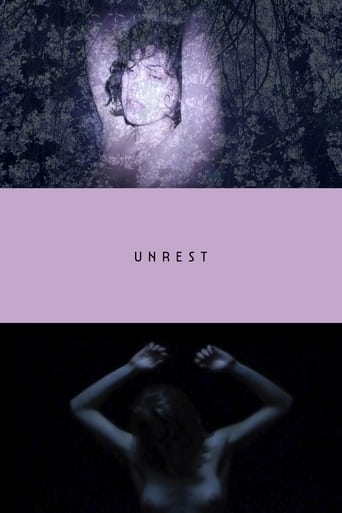
Unrest is the third movement of a triptych by Philippe Grandrieux whose common thread is anxiety. A body as a return from the depths of time, an archaic body that we do not know and which nevertheless continues to project in us its shadow, its anxiety.
Filmography
Sort