Y
Camera
Yoshio Shimizu
No biography available.
Known For
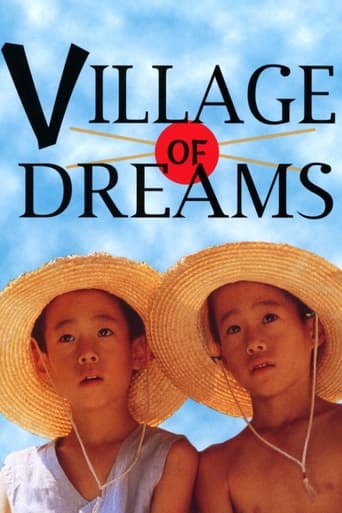 Village of Dreams · 1996
Village of Dreams
★ 6.01996
MovieFamilyDrama
Tells of the childhood of two nine-year-old twins in a rural village in Japan after World War 2. Includes the boys relationships with their schoolteacher mother, civil servant father, elderly landlord, a rough new boy at the school, and three mysterious spirits in the form of old women.
 Battles Without Honor and Humanity: Proxy War · 1973
Battles Without Honor and Humanity: Proxy War
★ 7.01973
MovieActionDrama
Shozo Hirono has managed to separate from the Yamamori family and create his own small family, and extend his circle of acquaintances. These new friendships include a powerful underboss of the Muraoka family, Noboru Uchimoto.
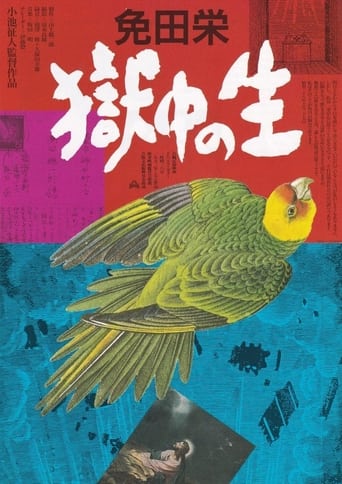 Menda Sakae: Gokuchu no Sei · 1993
Menda Sakae: Gokuchu no Sei
1993
MovieDocumentary
A documentary about Menda Sakae, a man who was wrongfully imprisoned for 34 years.
 Senso Daughters · 1990
Senso Daughters
1990
MovieDocumentary
Senso Daughters focuses on the legacy of the Japanese occupation of Papua New Guinea during the Second World War. It is a legacy that arises from rape, starvation and terror. Sekiguchi's documentary lets the residents of Papua New Guinea, especially the women, tell the story of their three years under Japanese Army rule.
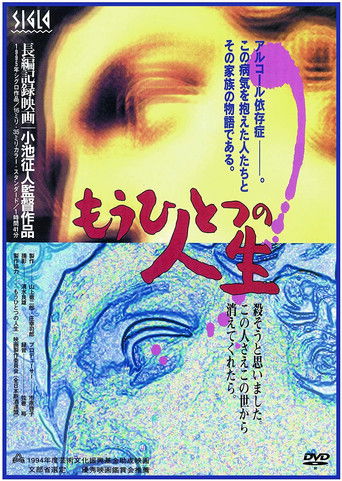 Another Life · 1996
Another Life
★ 8.01996
MovieDocumentary
Centers on a support group for alcoholics and their families
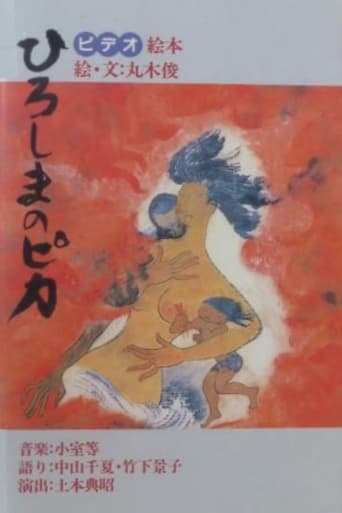 Hiroshima no pika · 1987
Hiroshima no pika
1987
MovieAnimation
Video version of the picture book 'Hiroshima no pika', based on the art pieces known as The Hiroshima Panels by Iri and Maruki Toshi
 Minamata — These 30 Years · 1987
Minamata — These 30 Years
1987
MovieDocumentary
A record of the stories of patients suffering from Minamata disease, 30 years after its discovery
 The Old Man and the Sea · 1990
The Old Man and the Sea
★ 9.01990
MovieDocumentary
Filmography
Sort
Menda Sakae: Gokuchu no Sei · 1993Menda Sakae: Gokuchu no Sei
1993
MovieDocumentary
A documentary about Menda Sakae, a man who was wrongfully imprisoned for 34 years.
Director of Photography
Another Life · 1996Another Life
★ 8.01996
MovieDocumentary
Centers on a support group for alcoholics and their families
Director of Photography
Hiroshima no pika · 1987Hiroshima no pika
1987
MovieAnimation
Video version of the picture book 'Hiroshima no pika', based on the art pieces known as The Hiroshima Panels by Iri and Maruki Toshi
Director of Photography